Water Heater Corrosion Signs rarely appear overnight. At Appliance Medic Pro, we usually see small corrosion signs weeks or months before a major leak or tank failure happens. Catching these signs early can save you from costly water damage and full replacement.
Why Water Heater Corrosion Signs
From technician experience:
-
Corrosion weakens the steel tank
-
Rust spreads internally before you see it
-
Once a tank corrodes through, it cannot be repaired
Corrosion is one of the leading causes of sudden water heater failure.
Common Water Heater Corrosion Signs
1. Rusty Water From Hot Taps
One of the earliest warnings.
If hot water looks:
-
Brown
-
Orange
-
Metallic smelling
It usually indicates internal tank corrosion or a failing anode rod.
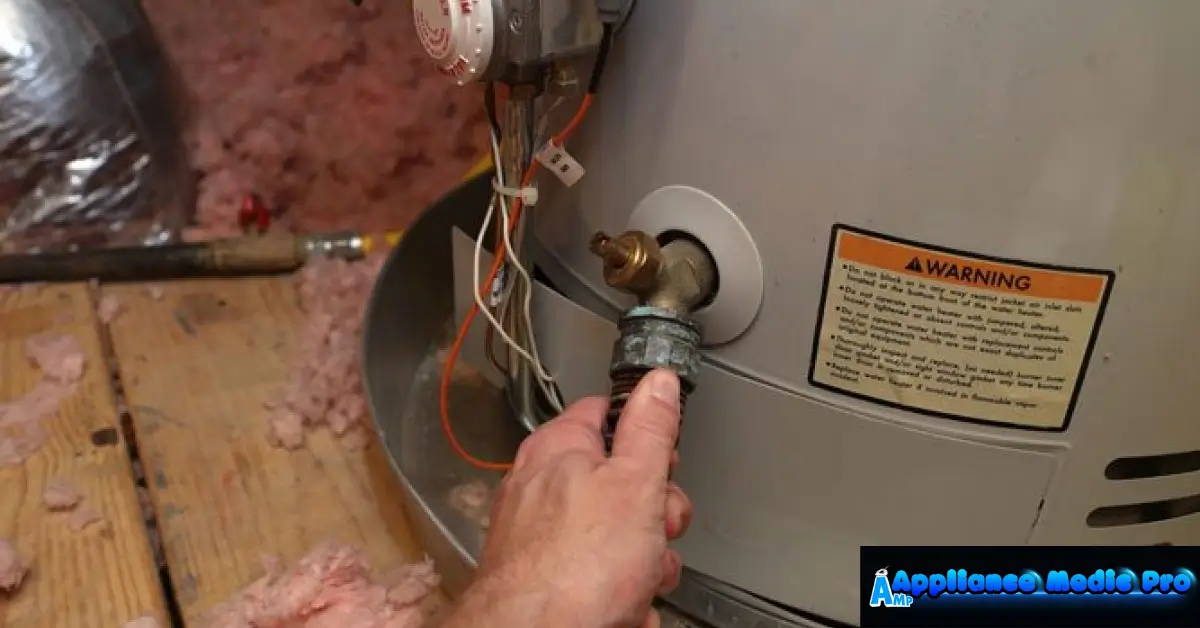
2. Visible Rust on the Tank or Valves
Check around:
-
Water inlet and outlet connections
-
T&P valve
-
Drain valve
-
Tank seams
Surface rust often means deeper corrosion inside.
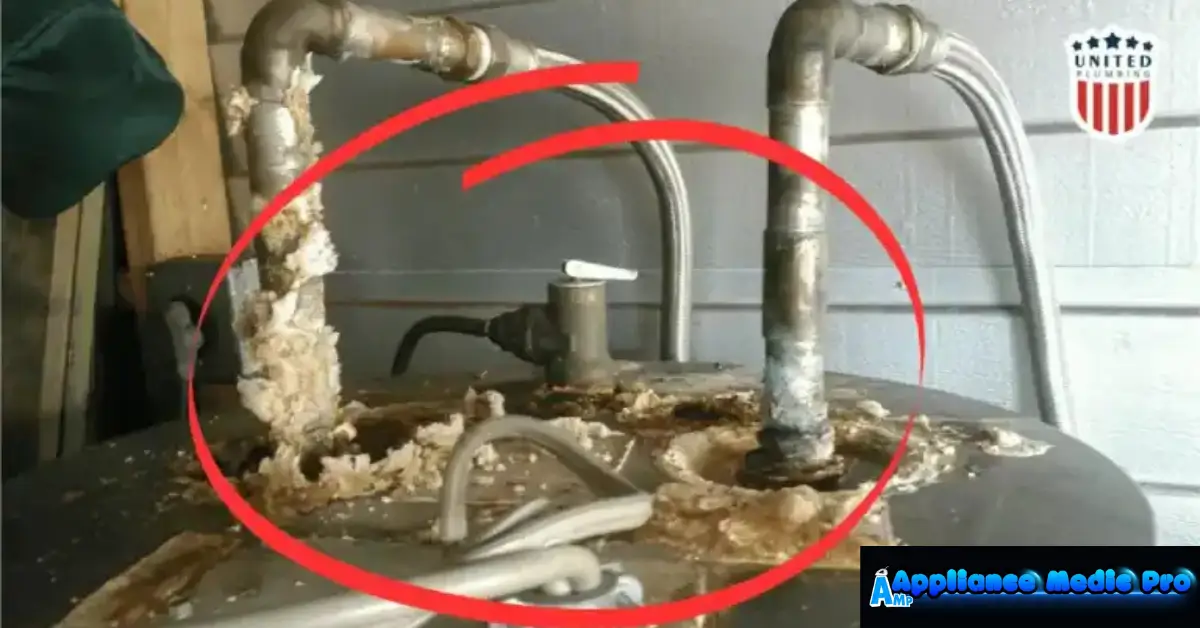
3. Corrosion at Pipe Connections
Green, white, or crusty buildup on copper fittings indicates:
-
Galvanic corrosion
-
Dissimilar metals reacting
-
Moisture leaks are accelerating rust
4. Flaking or Pitting on the Tank
If you see:
-
Peeling metal
-
Small pits or holes
-
Bubbling paint
The tank structure is already compromised.
5. Water Pooling Under the Heater
Slow leaks caused by corrosion often occur:
-
Evaporate quickly
-
Leave rust stains on the floor
-
Appear only after heating cycles
This is a late-stage warning sign.
6. Anode Rod Failure
The anode rod protects the tank from corrosion.
Signs it has failed:
-
Strong sulfur smell
-
Accelerated rust
-
Shortened heater lifespan
Most homeowners never check this critical part.
What Causes Water Heater Corrosion?
-
Hard or acidic water
-
Old or depleted anode rod
-
High water pressure
-
Sediment buildup
-
Age (typically 8–12 years)
Corrosion accelerates rapidly once it starts.
What You Should Do If You See Corrosion
✅ Inspect tank and connections closely
✅ Check hot water color
✅ Schedule a professional inspection
✅ Shut off water if leaking is present
❌ Don’t ignore rust stains
❌ Don’t paint over corrosion
❌ Don’t delay once leaks appear
Repair vs Replacement (Real-World Guidance)
| Corrosion Type | Recommendation |
|---|---|
| Minor valve corrosion | Replace valve |
| Anode rod failure | Replace the anode rod |
| Tank rust or pitting | Replace the water heater |
| Bottom tank corrosion | X |
Once the tank itself corrodes, replacement is the only safe option.
Typical Cost Guidance
Approximate ranges:
-
Anode rod replacement: $150–$400
-
Valve replacement: $120–$300
-
New water heater: $900–$2,500+
Preventive maintenance costs far less than flood damage.
How to Prevent Water Heater Corrosion
From technician experience:
-
Inspect the anode rod every 2–3 years
-
Flush tank annually
-
Maintain proper water pressure
-
Replace the heater before end-of-life
Proactive care can extend heater life by years.
Frequently Asked Questions
Q: Can a corroded water heater be repaired?
A: Internal tank corrosion cannot be repaired safely.
Q: Is surface rust always serious?
A: Often yes — it usually indicates deeper internal corrosion.
Q: How long does a water heater last?
A: Most last 8–12 years, depending on water quality and maintenance.