If your Water Heater Takes Long to Reheat, you’ll notice lukewarm water, frequent cold showers, or long waits between hot water uses. At Appliance Medic Pro, this is a common complaint and often points to heating efficiency or capacity problems.
Understanding why reheating is slow helps prevent premature heater failure.
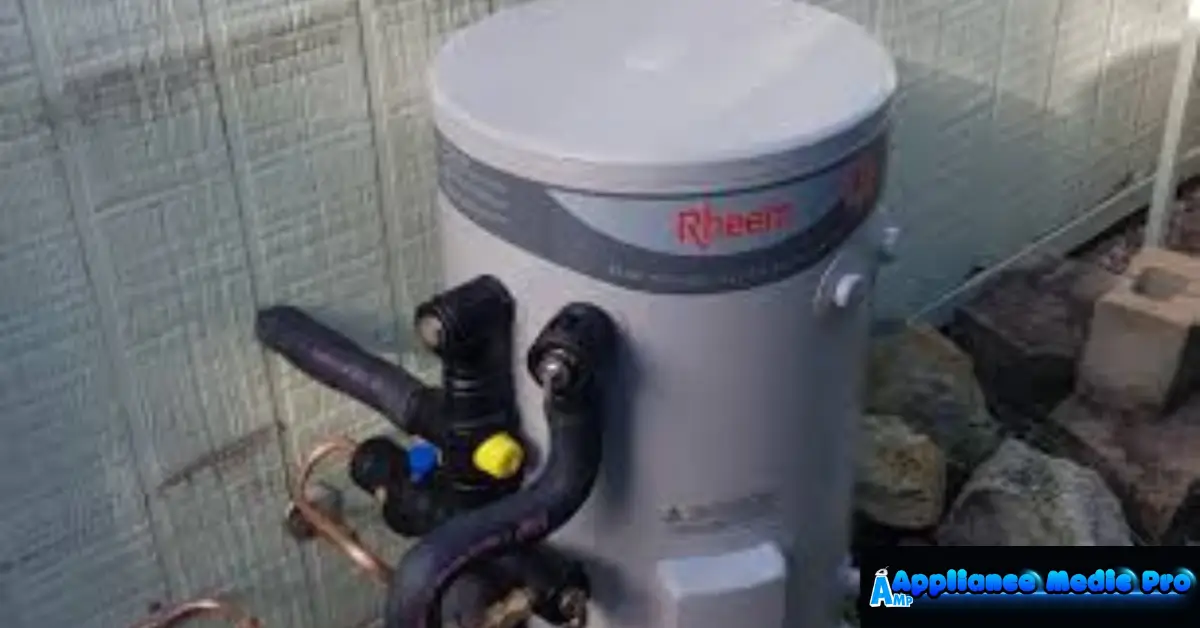
How long should a Water Heater Takes Long to Reheat?
Typical recovery times:
-
Electric water heater: 60–90 minutes
-
Gas water heater: 30–60 minutes
-
Tankless water heater: Continuous (no reheating delay)
If your system exceeds these times, there’s likely an issue.
Common Reasons a Water Heater Takes a Long Time to Reheat
1. Sediment Buildup in the Tank (Most Common)
Mineral sediment settles at the bottom and:
-
Insulates the heating element or burner
-
Reduces heat transfer
-
Forces the heater to work harder
This dramatically slows reheating.
2. Failing Heating Element (Electric Models)
Electric heaters have upper and lower elements.
If one fails:
-
Water heats slowly or unevenly
-
Capacity feels reduced
-
Reheat time increases
This is a frequent real-world repair.
3. Thermostat Set Too Low or Malfunctioning
Incorrect thermostat settings or faulty thermostats cause:
-
Lower water temperature
-
Extended reheating cycles
-
Inconsistent hot water supply
4. Gas Burner or Venting Issues (Gas Models)
Problems include:
-
Dirty or weak burner flame
-
Improper gas pressure
-
Blocked or poorly drafted vent
These reduce heating efficiency.
5. Undersized Water Heater
If household demand increased:
-
More people
-
Larger tubs
-
High-flow fixtures
Your heater may no longer meet usage needs.
6. Aging Water Heater
Most tanks last 8–12 years.
As they age:
-
Efficiency drops
-
Recovery time increases
-
Repairs become more frequent
What You Can Do Right Now
✅ Check thermostat setting (120°F recommended)
✅ Space out hot water usage
✅ Listen for popping or rumbling sounds
✅ Inspect for leaks or corrosion
❌ Don’t raise the temperature excessively
❌ Don’t ignore sediment noise
❌ Don’t delay service if recovery worsens
Repair Options (Based on Experience)
| Problem | Solution |
|---|---|
| Sediment buildup | Tank flush |
| Failed heating element | Element replacement |
| Faulty thermostat | Thermostat replacement |
| Burner issues | Burner cleaning/repair |
| Undersized unit | Upgrade the heater size |
Typical Repair Costs (Guidance)
Approximate ranges:
-
Tank flush: $120–$250
-
Heating element replacement: $150–$350
-
Thermostat replacement: $120–$300
-
New water heater: $900–$2,500+
Timely repairs often restore normal performance.
When to Call Appliance Medic Pro
Contact us if:
-
Hot water runs out quickly
-
Reheating time keeps increasing
-
The heater is over 8 years old
-
Water temperature fluctuates
Slow reheating is often the first warning sign of a failing system.
How to Prevent Slow Reheating
From technician experience:
-
Flush the tank annually
-
Test thermostats yearly
-
Address small issues early
-
Match heater size to household demand
Preventive maintenance saves money and frustration.
Frequently Asked Questions
Q: Can sediment really slow reheating that much?
A: Yes. We see recovery times double due to heavy sediment.
Q: Is it safe to increase the thermostat?
A: Slight adjustments are okay, but too high increases burn risk and energy use.
Q: Should I replace or repair an old heater?
A: If it’s over 10 years old with slow recovery, replacement is often more cost-effective.