A GE Under Cabinet Range Hood is a valuable addition to any kitchen, designed to remove smoke, grease, and cooking odors while lighting your cooktop. Installed under cabinets above the stove or range, a GE under-cabinet range hood combines powerful ventilation with sleek styling.
At Appliance Medic Pro, we service all types of kitchen ventilation systems — and we know what works best and where issues commonly occur in GE under-cabinet range hoods.
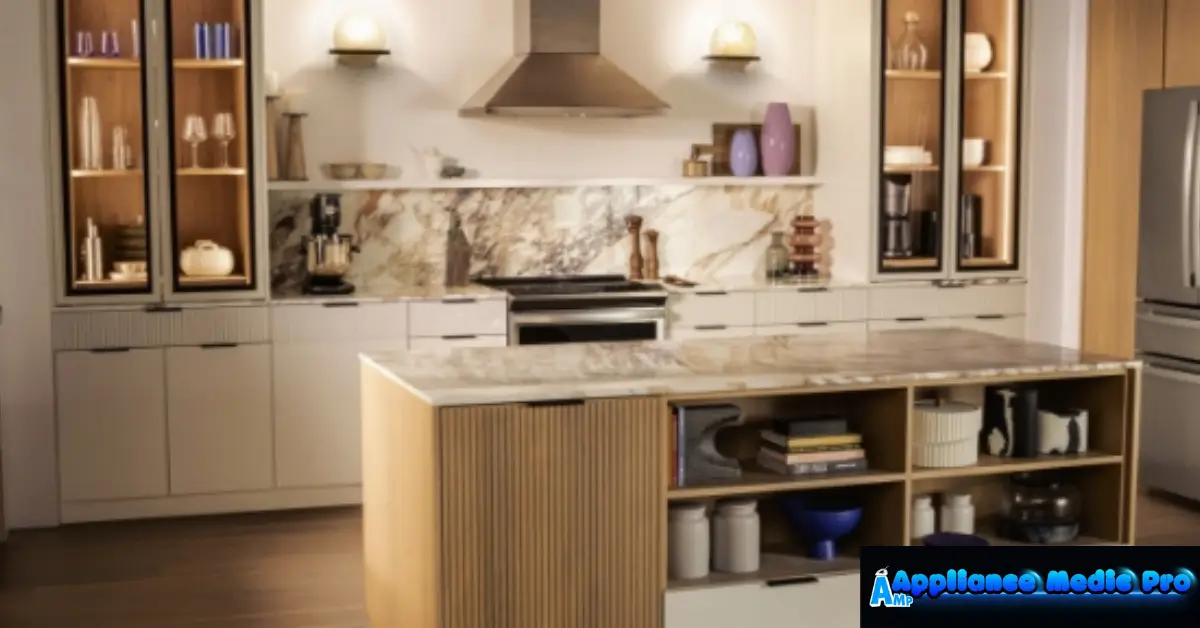
What Is a GE Under-Cabinet Range Hood?
An under-cabinet range hood is a ventilation system mounted directly beneath the kitchen cabinet above your stove. Unlike overhead chimney hoods, these models fit cleanly under existing cabinetry, making them a popular choice in many homes.
GE under-cabinet hoods typically offer:
-
Multi-speed blower fans
-
Built-in lighting
-
Grease filters
-
Re-circulation or exterior venting options
Key Features You Should Know
🔹 Multi-Speed Fan Controls
Choose airflow strength based on cooking intensity.
🔹 Built-In Lighting
LED or halogen lights to brighten cooktop work areas.
🔹 Removable Grease Filters
Make cleanup simple and quick.
🔹 Ventilation Options
Use in vented mode (ducted to outside) or recirculation mode (with charcoal filters).
How GE Under-Cabinet Range Hoods Work
The main job of a range hood is to remove heat, smoke, grease, and odors from cooking. Here’s how it works:
-
Air is drawn upward by the fan/blower
-
Grease and particles are caught in the filters
-
Air is either:
-
Vented outside through ductwork
-
Recirculated back into the kitchen with charcoal filters
-
Proper installation and maintenance ensure optimal performance.
Common Problems We See in Service Calls
Here are the most frequent issues we diagnose with GE under-cabinet range hoods:
1. Hood Not Ventilating Properly
Causes:
-
Grease buildup in filters
-
Blocked ductwork
-
Incorrect venting setup
Signs:
-
Smoke lingers after cooking
-
Strong odors remain
-
Hood feels weak even at high speed
2. Range Hood Fan Loud or Noisy
Common reasons:
-
Loose mounting hardware
-
Dirty blower wheel
-
Worn motor bearings
Unusual noise while running often signals a mechanical issue.
3. Range Hood Lights Not Working
Possible causes:
-
Burnt-out bulbs
-
Faulty light socket
-
Electrical issue in the control board
Often, a simple bulb replacement solves this, but flickering or inconsistent lighting may need a professional check.
4. Hood Turns On,n but Blower Won’t Run
This indicates:
-
Failed fan motor
-
Faulty switch or control panel
-
Wiring issues
Blower failure requires safe diagnosis and parts replacement.
5. Grease or Smoke Leaks Around Hood
This typically means:
-
Filters are missing, bent, or installed incorrectly
-
The duct connection is loose
-
Interior grease buildup is forcing air out edges
Installation & Venting Tips
Proper installation makes a big difference. From technician experience:
✅ Use correct wall or cabinet support
✅ Seal duct joints with HVAC foil tape
✅ Keep duct runs as short and straight as possible
✅ Use a proper vent cap for exterior termination
Incorrect venting reduces airflow and increases noise.
Simple Maintenance You Can Do
Keeping your GE range hood running smoothly:
✔ Wash grease filters every month
✔ Wipe down blower housing occasionally
✔ Replace charcoal filters in recirculation mode
✔ Check exterior vent cap for blockages
Regular maintenance prevents the most common performance issues.
Troubleshooting Tips You Can Try
Before calling a pro:
-
Check that power is reaching the hood
-
Make sure filters are properly seated
-
Test multiple fan speeds
-
Confirm ductwork is open (no bird nests or debris)
❌ Do NOT attempt to spray water inside the blower housing.
When to Call Appliance Medic Pro
Schedule professional service if:
-
Hood stops working completely
-
Noise increases suddenly
-
Smoke won’t clear with proper venting
-
The electrical control panel is unresponsive
Professional technicians handle motor replacement, duct diagnosis, and electrical troubleshooting safely.
Repair vs Replacement Cost
Typical service guidance:
-
Grease filter replacement: $20–$50 (DIY)
-
Blower motor replacement: $150–$350
-
Control panel or switch repair: $120–$250
-
Ductwork cleaning or repair: $100–$300
Older hoods with repeated electrical or airflow problems may be better served by replacement.
Frequently Asked Questions
Q: Should I vent outside or recirculate?
A: Exterior venting is best for smoke and odors; recirculation is acceptable if ducting isn’t possible.
Q: Why is my hood not pulling smoke?
A: Often a blocked filter, closed vent flap, or poor duct layout.
Q: How often should I clean the filters?
A: Monthly, especially if you cook frequently.