A Vacuum Hose Clogged Symptoms can drastically reduce cleaning performance and even cause overheating. At Appliance Medic Pro, hose blockages are one of the most common issues we find during vacuum inspections—especially in homes with pets, kids, or frequent carpet cleaning.
Recognizing the symptoms early can prevent motor damage and costly repairs.
Most Common Vacuum Hose Clogged Symptoms
1. Sudden Loss of Suction (Most Noticeable)
One of the clearest signs:
-
The vacuum turns on, but barely picks up dirt
-
Suction feels weak at the floor head
-
Attachments don’t pull debris properly
This usually happens immediately when the hose becomes blocked.
2. Whistling or High-Pitched Noise
From real service experience:
-
Air tries to force its way through a partial blockage
-
Creates a whistling or hissing sound
This noise often disappears once the clog is removed.
3. Vacuum Overheating or Shutting Off
When airflow is restricted:
-
Motor works harder
-
Heat builds up quickly
-
Some vacuums shut off automatically to protect the motor
Repeated overheating can shorten motor life.
4. Burning or Musty Smell
A clogged hose can cause:
-
Dust and debris can cause overheating
-
Rubber or plastic odor
-
Stale or musty smells from trapped debris
⚠️ Burning smells should always be taken seriously.
5. Debris Visible in the Hose
Sometimes you can:
-
See dirt, hair, or objects stuck in the hose
-
Notice the buildup through the transparent sections
Common clog items we find:
-
Socks
-
Paper
-
Pet hair clumps
-
Small toys
6. Brush Roll Works but Picks Up Poorly
Even if the brush spins:
-
Dirt stays on the carpet
-
Vacuum feels ineffective
This often points directly to a hose blockage.
How to Safely Check for a Clogged Hose
✅ Turn off and unplug the vacuum
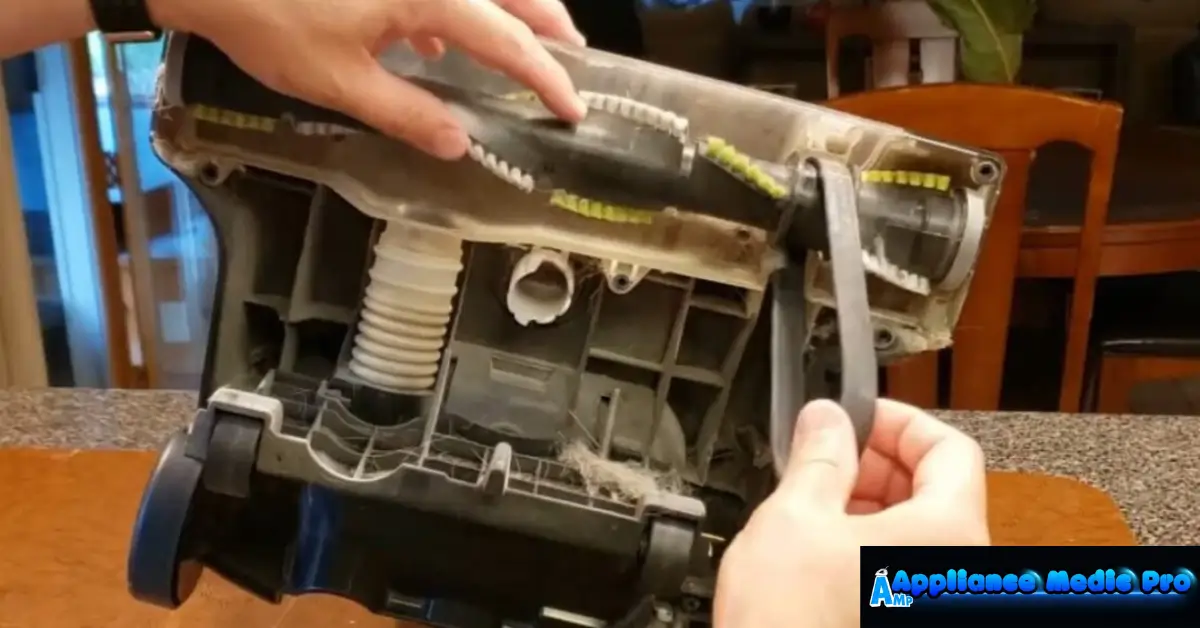
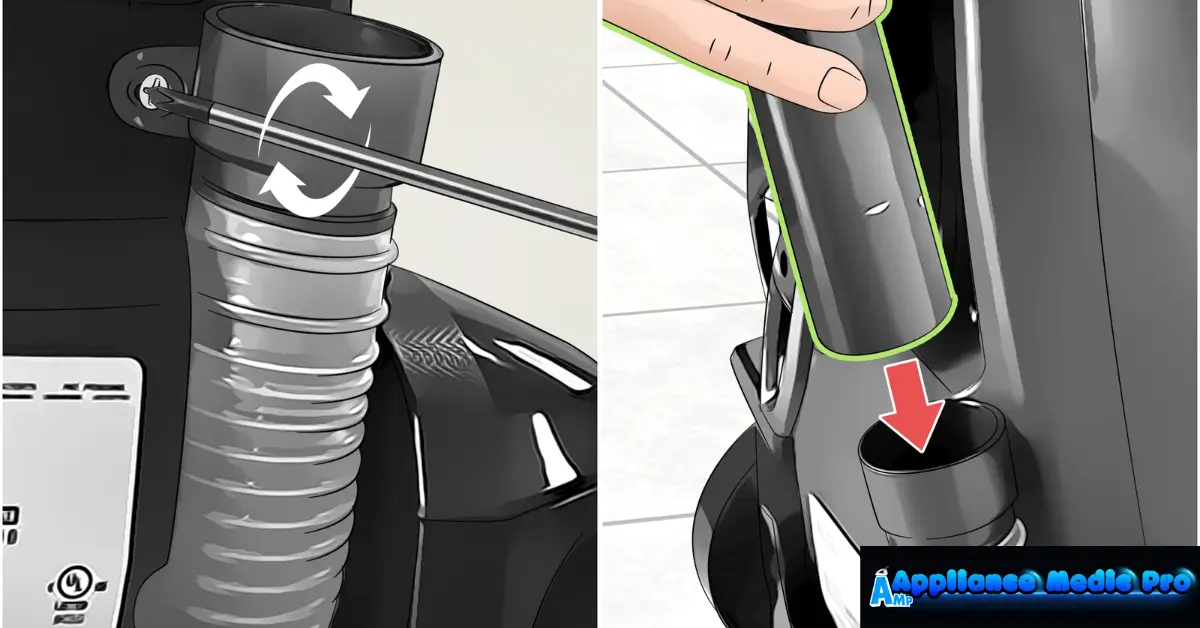
✅ Disconnect the hose from both ends
✅ Shine a flashlight through the hose
✅ Use a broom handle or flexible rod to gently push debris out
❌ Do not use sharp objects
❌ Do not run the vacuum while clogged
When to Call Appliance Medic Pro
Call a professional if:
-
You can’t remove the clog
-
The hose is cracked or collapsed
-
Vacuum continues overheating
-
Suction doesn’t return after clearing
We inspect the hose, filters, motor, and airflow system to ensure full performance.
Typical Repair Costs
-
Hose cleaning: Low cost / DIY
-
Hose replacement: $40–$120
-
Motor repair (if damaged): $200–$400
Clearing clogs early avoids expensive motor repairs.
How to Prevent Vacuum Hose Clogs
From technician experience:
-
Empty the dust bin or bag frequently
-
Avoid vacuuming large objects
-
Use attachments for tight areas
-
Check the hose monthly for buildup
-
Keep filters clean
Frequently Asked Questions
Q: Can a clogged hose damage my vacuum?
A: Yes. Prolonged airflow restriction can overheat and damage the motor.
Q: Why does my vacuum make noise but not pick up dirt?
A: This is a classic symptom of a hose or airflow blockage.
Q: How often should I check the hose?
A: At least once every 1–2 months, or more often with heavy use.