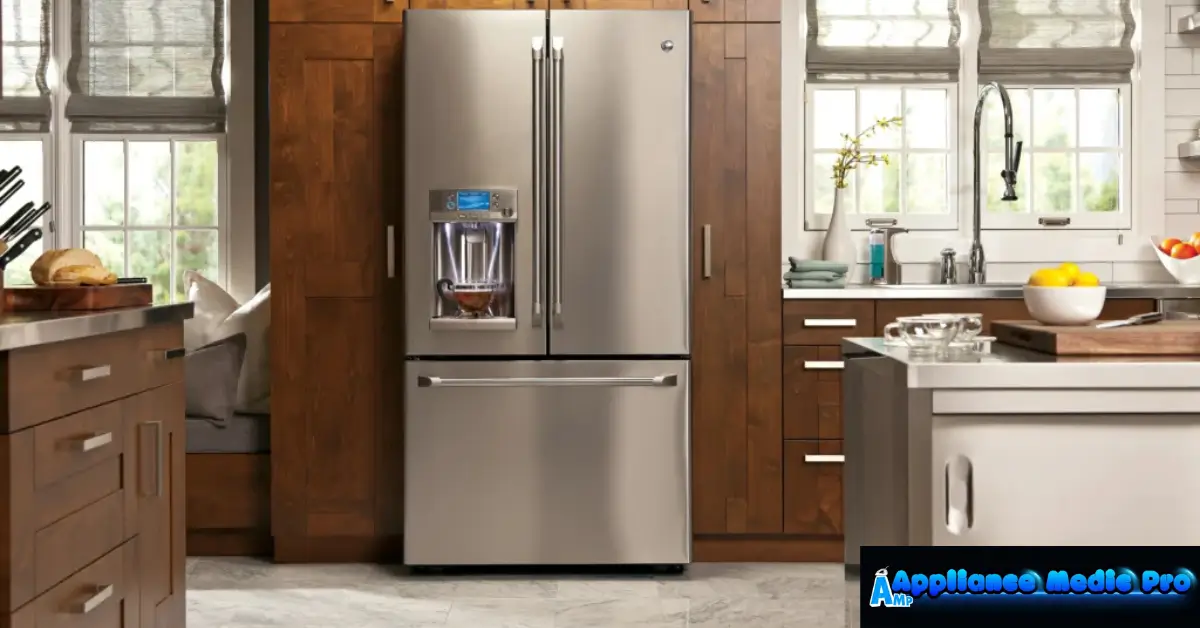
The GE Stainless Steel Refrigerator series offers modern design, reliable performance, and a sleek finish that fits beautifully in contemporary kitchens. At Appliance Medic Pro, we regularly install and service GE stainless steel refrigerators — from side-by-side to French-door models — and have seen firsthand what homeowners love and sometimes struggle with.
This guide will walk you through:
-
Key features of GE stainless steel refrigerators
-
How to maintain peak performance
-
Common problems and how to troubleshoot
-
When professional repair is needed
Why Choose a GE Stainless Steel Refrigerator?
Stainless steel-finish refrigerators are popular because they deliver:
✔ Modern Aesthetic
The clean, metallic finish complements nearly any kitchen style.
✔ Durable Surfaces
Stainless steel resists stains, smudges, and wear when cleaned properly.
✔ Large Capacities
Most GE stainless steel models offer generous storage for families.
✔ Even Temperature Control
Advanced cooling systems help keep food fresh longer.
Key Features You Should Know
From real service experience, most GE stainless steel refrigerators include:
-
TwinChill™ evaporators: Separate cooling for fridge and freezer
-
Adjustable shelving: Flexible storage solutions
-
Humidity-controlled crispers: Keep produce fresh
-
Ice and water dispensers: Convenient access built-in
-
Energy-efficient design: Lower long-term operating costs
These features create a balance of convenience, performance, and durability.
How to Care for Your GE Stainless Steel Refrigerator
Proper maintenance keeps your fridge running smoothly and looking great.
🧼 Clean the Exterior
-
Use a microfiber cloth + mild detergent
-
Wipe with the grain
-
Avoid abrasive cleaners
🧊 Maintain Ice & Water Dispenser
-
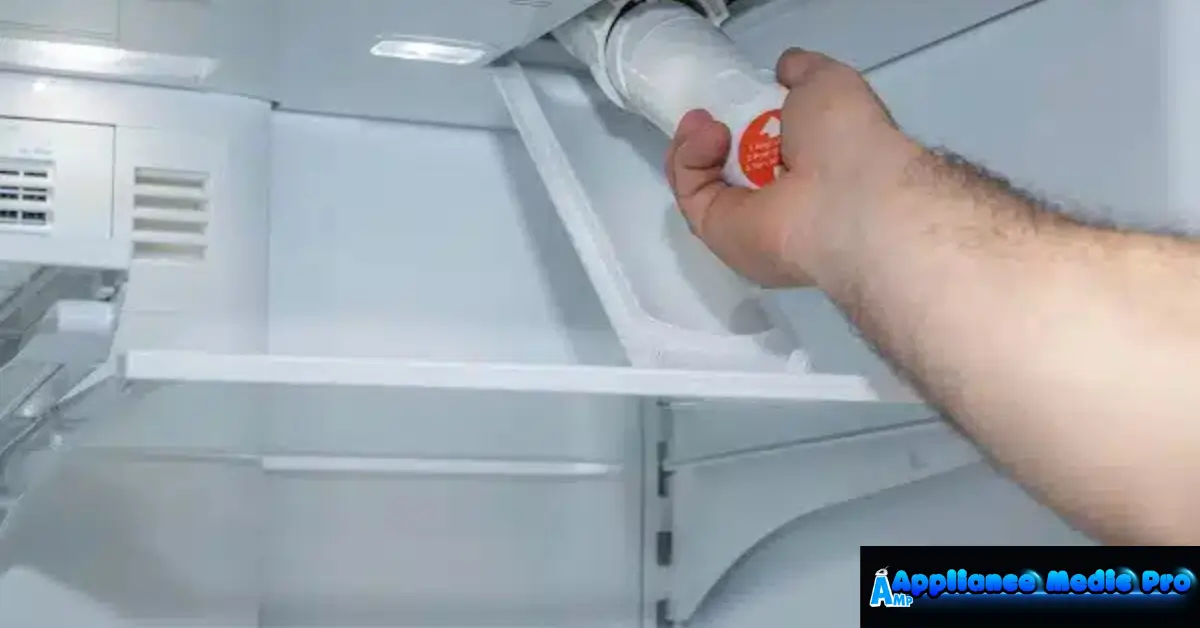
Change the water filter every 6 months
-
Flush the lines periodically
❄️ Keep Coils Clean
Dirty condenser coils reduce cooling efficiency and increase energy use.
👉 We recommend cleaning coils at least once a year.
Common Problems We See & What They Mean
Here are the typical issues GE refrigerator owners call us about:
❗ 1. Refrigerator Not Cooling Properly
Symptoms: Warm interior, food spoiling sooner than expected
Possible causes: Dirty condenser coils, failed evaporator fan, thermostat issues
💧 2. Water Dispenser Not Working
Symptoms: No water, slow water flow, weak stream
Likely causes: Clogged filter, kinked water line, pressure problems
❄️ 3. Ice Maker Not Making Ice
Symptoms: Ice production stops or slows
Causes: Faulty water inlet valve, frozen fill tube, bad ice maker module
🔊 4. Loud Noises or Vibrations
Symptoms: Humming, rattling, buzzing
Common causes: Unleveled unit, worn fan motors, debris in the condenser
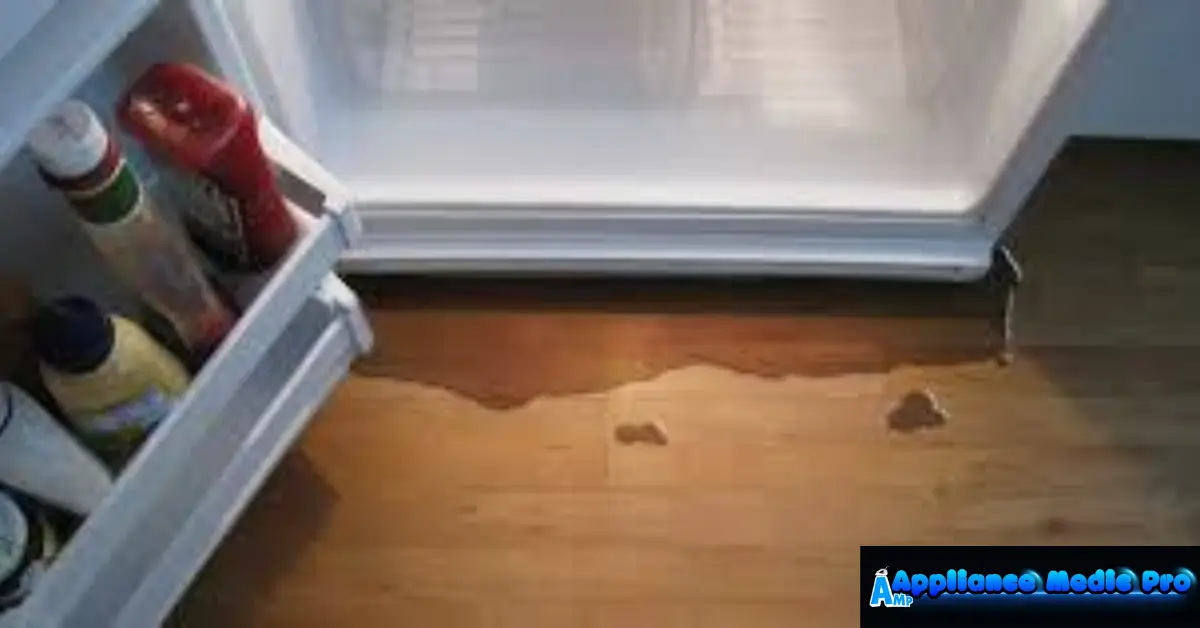
💦 5. Leaks or Puddles Inside or Around Fridge
Symptoms: Water on the floor or drip tray
Causes: Clogged drain line, defrost issues, ice buildup
Quick Troubleshooting You Can Try
Before calling a technician, try these:
✅ Make sure fridge is level
✅ Clean condenser coils
✅ Replace water filter on schedule
✅ Check door seals for gaps
✅ Ensure proper airflow inside the fridge
These simple steps fix many common refrigerator complaints.
When to Call Appliance Medic Pro
Get professional help if:
-
Temperature won’t stabilize
-
You see frost buildup or ice blockages
-
The water dispenser remains weak after a filter change
-
The ice maker fails repeatedly
-
Loud noises persist or worsen
Refrigerators contain refrigerant and electrical systems that require trained technicians for safe repair.
Repair vs Replacement Cost Insight
Here’s what we typically see in real service calls:
-
Water inlet valve replacement: $100–$200
-
Evaporator fan motor repair: $120–$250
-
Ice maker repairs: $150–$300
-
Control board diagnostics: $180–$350
We always assess age and repair cost before recommending a solution.
Frequently Asked Questions
Q: Are GE stainless steel refrigerators reliable?
A: Yes — with proper maintenance, they can last 10+ years. Material quality and serviceability are strong points.
Q: Why does my refrigerator run constantly?
A: Dirty coils, strong sunlight, or frequent door openings can cause longer cooling cycles.
Q: How often should I clean coils?
A: At least once a year — more often in dusty homes.