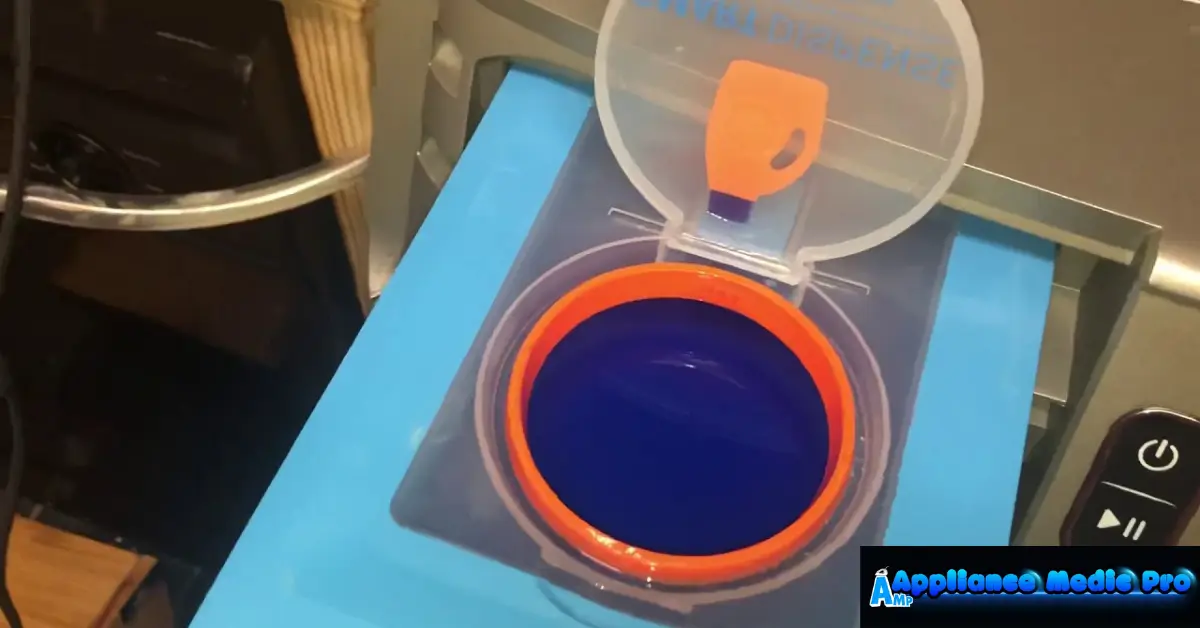
The GE SmartDispense Washer is a modern washing machine designed to make laundry easier. Its signature feature, SmartDispense, automatically dispenses detergent and fabric softener based on load size, soil level, and cycle selected — saving time and ensuring consistent performance.
At Appliance Medic Pro, we see many of these washers in service calls. We know how the SmartDispense system works, what can go wrong, and how to fix issues safely and reliably.
What Is a GE SmartDispense Washer?
A SmartDispense washer automatically stores enough detergent for multiple loads (usually up to 24 loads) and distributes detergent precisely for each wash. This eliminates over-dispensing and helps:
-
Improve wash performance
-
Reduce detergent waste
-
Save money on supplies
-
Prevent detergent mess or buildup
The result is cleaner clothes with less effort.
How SmartDispense Works
Here’s how the system operates:
-
User fills SmartDispense reservoir
-
Washer senses load size & soil level
-
The control system calculates the detergent amount
-
Detergent dispensed at optimal time
-
Fabric softener added where applicable
The SmartDispense system is controlled by internal sensors, valves, and the washer’s main board.
Common Problems With GE SmartDispense Washers
From real field experience, these are the issues we diagnose most often:
1. SmartDispense Not Dispensing Detergent
Symptoms:
-
Clothes smell like they weren’t washed
-
No detergent detected in water
Causes:
-
Clogged detergent dispenser tube
-
Buildup of detergent residue
-
Faulty SmartDispense valve or sensor
Fix:
Clean dispenser tubes and check for residue buildup. If the issue persists, a technician can test valves and sensors.
2. Washer Over-Dispensing Detergent
Symptoms:
-
Excess suds
-
Detergent residue on clothes
-
Longer rinse cycles
Causes:
-
Incorrect detergent type
-
Sensor miscalibration
-
Water pressure variation
Using high-efficiency (HE) detergent only is critical — non-HE detergent causes oversudsing.
3. Washer Displays SmartDispense Error Codes
Common error codes may include:
-
F7E1 – Detergent fill timeout
-
F7E2 – SmartDispense jam
-
F7E3 – Valve failure
Error codes differ by model, so check your user manual or technician diagnostics.
4. Detergent Reservoir Not Filling
Symptoms:
-
No detergent stored
-
The pump doesn’t pull the detergent
Causes:
-
Clogged inlet filters
-
Pump motor issue
-
Airlock in dispenser lines
Cleaning inlet filters and lines often solves this, but pump issues require service.
Safe Troubleshooting Steps You Can Try
Before calling a technician, try these:
✅ Run a rinse cycle only to flush SmartDispense lines
✅ Clean detergent reservoir and tubes with warm water
✅ Use only high-efficiency (HE) detergent
✅ Check for clogs around dispenser valves
✅ Reset washer (unplug for 5 minutes)
❌ Do NOT open the machine cabinet — high voltage and moving parts inside.
When to Call Appliance Medic Pro
Contact a professional if:
-
SmartDispense system never dispenses detergent
-
You see persistent error codes
-
Excessive suds or long rinse cycles continue
-
The detergent reservoir won’t refill
-
Washer fails in mid-cycle
SmartDispense systems include valves, sensors, and control board logic — best handled by trained technicians.
Repair vs Replacement Cost Insight
Typical service scenarios:
-
SmartDispense valve replacement: $120–$220
-
Control board diagnostics: $150–$300
-
Sensor replacement: $100–$180
-
Pump service: $130–$260
Costs vary by model year and parts availability.
Tips to Prevent SmartDispense Issues
From technician experience:
-
Always use HE detergent
-
Refill SmartDispense reservoir regularly
-
Don’t mix detergents or use fabric softeners not designed for HE systems
-
Run maintenance wash monthly to clear lines
-
Check and clean inlet filters
Following these tips can reduce service calls and extend washer life.
Frequently Asked Questions
Q: What detergent should I use with SmartDispense?
A: Only HE detergent — non-HE products can cause oversudsing and clog lines.
Q: Why is my washer still soapy after a cycle?
A: Likely oversudsing due to the wrong detergent or a dispenser clog.
Q: Can I manually add detergent if SmartDispense fails?
A: Yes, but contact a professional if the system repeatedly fails.


