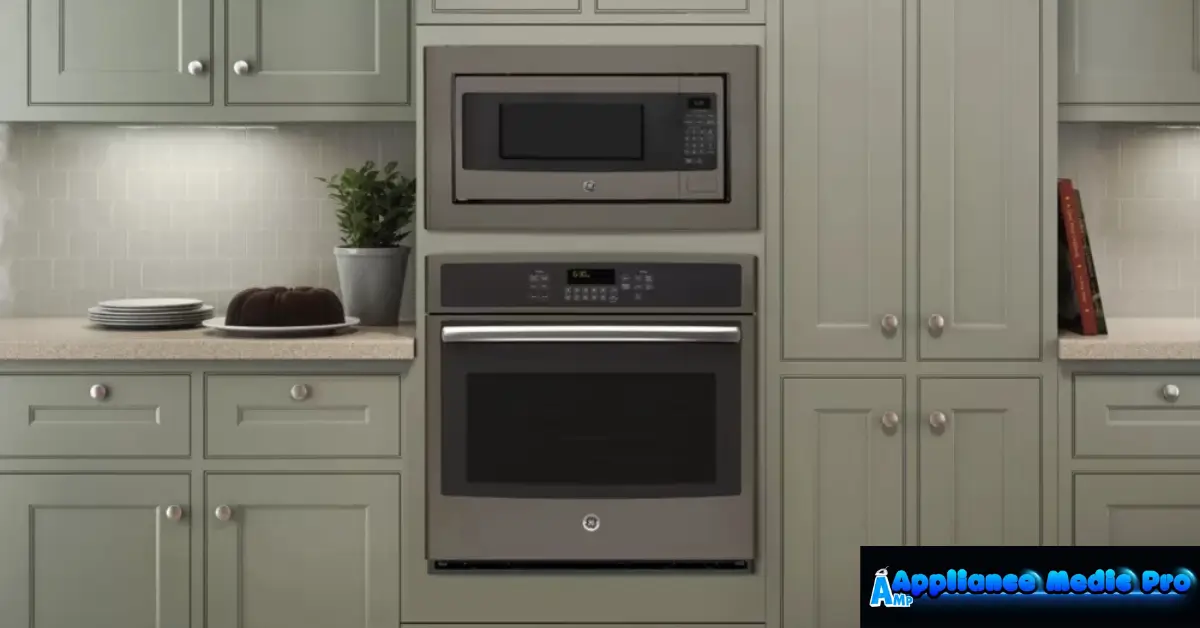
A GE Self-Cleaning Oven is designed to burn off food residue using extremely high heat, saving homeowners hours of scrubbing. While the feature is convenient, it’s also one of the most stressful cycles for an oven, and many service calls happen right after self-cleaning is used.
At Appliance Medic Pro, we frequently repair GE ovens that stop working immediately after a self-clean cycle.
How Does a GE Self-Cleaning Oven Work?
During the self-clean cycle:
-
Oven door locks automatically
-
Temperature rises to 800–900°F (427–482°C)
-
Food spills turn into ash
-
Cycle runs for 2–4 hours
-
The oven cools down and unlocks
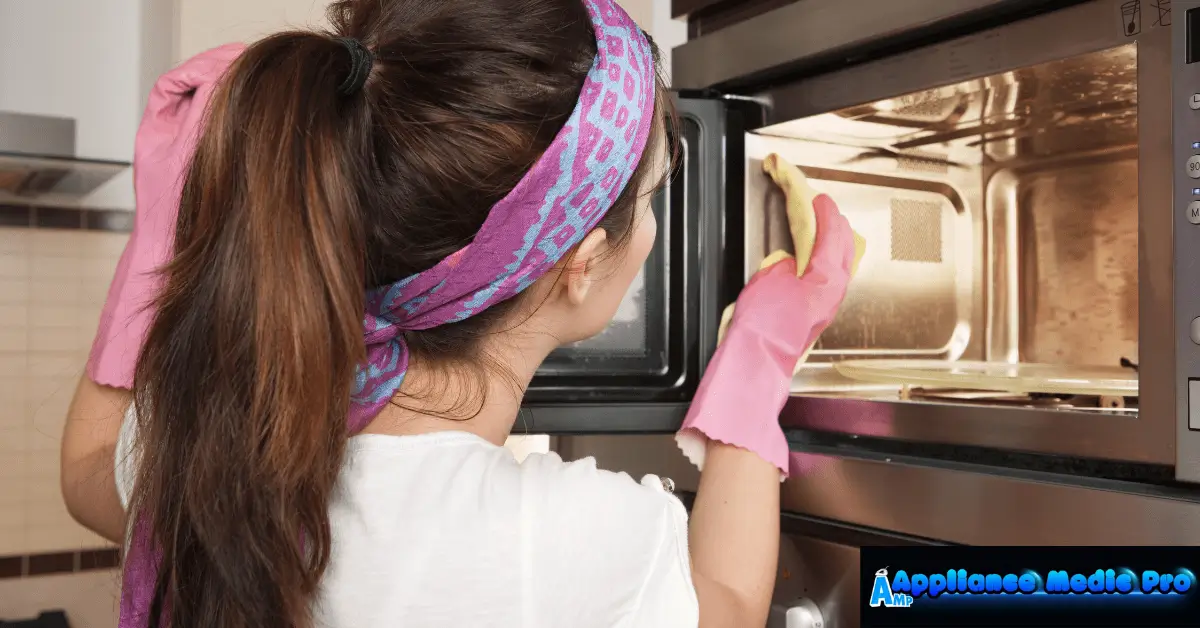
After cooling, you simply wipe out the ash with a damp cloth.
Benefits of GE Self-Cleaning Ovens
✅ No harsh chemicals needed
✅ Deep cleaning of baked-on grease
✅ Saves time and effort
✅ Ideal for heavy oven buildup
Common Problems After Self-Cleaning (Very Common)
From real repair experience, these issues happen most often:
1. Oven Won’t Turn On After Self-Clean
Most common issue ❗
Causes:
-
Blown thermal fuse
-
Control board damage from heat
-
Tripped the internal safety switch
High heat can damage sensitive electronics.
2. Oven Door Locked and Won’t Open
Symptoms:
-
The door remains locked even after cooling
Possible reasons:
-
Failed door lock motor
-
Control board error
-
Temperature sensor malfunction
⚠️ Never force the door open.
3. Oven Not Heating Properly
Causes:
-
Damaged bake or broil element
-
Sensor out of calibration
-
Control board heat damage
4. Error Codes After Self-Clean
Common GE codes include:
-
F2 / F3 – temperature sensor issue
-
F5 – door lock failure
-
F9 – latch or wiring problem
Error codes usually require professional diagnosis.
5. Strong Burning Smell or Smoke
Normal during cleaning, but not afterward.
If the smell continues:
-
Insulation damage
-
Melted wiring
-
Grease inside the control panel
Safety Tips Before Using Self-Clean
Before starting the cycle:
✅ Remove oven racks
✅ Remove loose debris
✅ Ventilate the kitchen
✅ Keep pets away
✅ Stay home during the cycle
❌ Do NOT use self-clean if:
-
The control panel already acts strangely
-
The door lock feels weak
-
The oven has electrical issues
When NOT to Use Self-Clean Mode
We recommend avoiding self-clean if:
-
The oven is over 10 years old
-
You’ve had past control board issues
-
Wiring insulation looks worn
-
The oven is gas and heavily used
Manual cleaning may be safer in these cases.
Repair Cost Estimates (After Self-Clean Failure)
Typical service costs:
-
Thermal fuse replacement: $120–$180
-
Door lock motor: $150–$280
-
Temperature sensor: $120–$200
-
Control board: $250–$450
In many cases, repair is still cheaper than replacement.
Frequently Asked Questions
Q: Is self-clean safe for GE ovens?
A: Yes, but frequent use increases the risk of electronic failure.
Q: How often should I use self-clean?
A: No more than 1–2 times per year.
Q: Why did my oven stop working after self-clean?
A: Extreme heat can damage fuses, sensors, or control boards.