A GE Induction Cooktop blends modern technology with everyday cooking convenience. At Appliance Medic Pro, we help homeowners install, diagnose, and repair induction cooktops, and GE’s models are among the most reliable in the market.
This guide explains how GE induction cooktops work, what to expect, common problems we see in service calls, and how to maintain yours for long life.
What Is an Induction Cooktop?
Unlike gas or electric coil cooktops, an induction cooktop uses electromagnetic fields to heat pots and pans directly.
Key Benefits:
-
Faster heating than traditional electric
-
Precise temperature control
-
Cooler surface — safer kitchen environment
-
Better energy efficiency
Induction technology won’t work with all cookware — only magnetic-bottom cookware will heat properly.
GE Induction Cooktop Features (From Real Install Experience)
Most GE induction models include:
-
Multiple power levels per zone
-
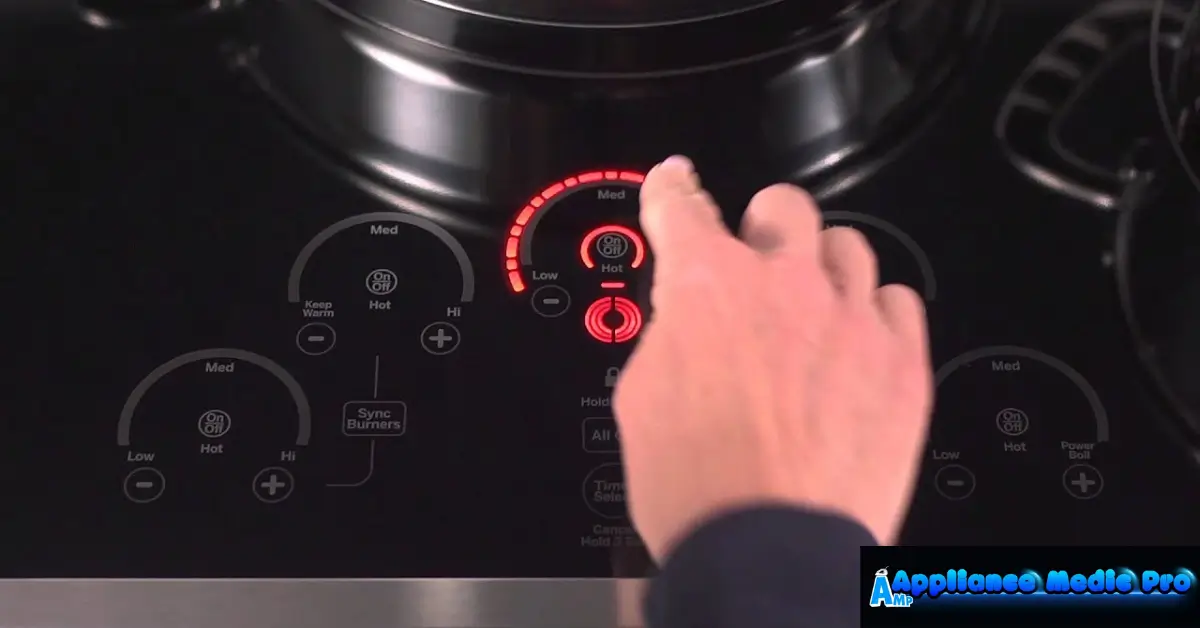
Touch controls
-
Boost or rapid heat functions
-
Safety features (auto shut-off, child lock)
-
LED indicators
These features make induction cooktops a favorite among home cooks and professionals alike.
Common Problems We See With GE Induction Cooktops
1. Cookware Not Heating
One of the most frequent service calls involves:
-
Using non-induction compatible cookware
-
Pots and pans without a magnetic base
🧪 Quick test: Place a magnet on the bottom — if it sticks, it’s compatible.
2. Error Codes or Beeps
Common causes include:
-
Voltage fluctuations
-
Improper installation
-
Sensor issues
-
Control board glitches
We always check the power supply and grounding before diving into internal repairs.
3. Uneven Cooking or Hot Spots
This can happen if:
-
Cookware doesn’t make full contact with the surface
-
The glass-ceramic surface has a buildup underneath
-
Temperature sensors are dirty
Proper cleaning and cookware choice often solve the issue.
4. Touch Controls Not Responding
Often caused by:
-
Moisture on the control panel
-
Spills
-
Wax or residue buildup
Tip: Wipe controls with a clean, dry cloth after cooking.
5. Induction Zone Won’t Turn On
Possible reasons:
-
Failed relay or control board
-
Cookware not detected
-
Loose wiring
Professional diagnosis is recommended for internal parts.
Installation Tips (Very Important)
We often find reduced performance due to:
-
Improper electrical setup
-
Undersized breaker or wrong wire gauge
-
Lack of proper grounding
Always follow GE’s installation guide and confirm:
-
Dedicated circuit
-
Correct voltage
-
Adequate clearance under the countertop
Improper installation can reduce cooktop performance and trigger safety shutoffs.
Maintenance Tips for Long Life
From technician experience:
-
Clean the surface after every use
-
Don’t slide heavy cookware across glass
-
Use induction-compatible cookware
-
Inspect the power cord and connections annually
-
Avoid dropping heavy pots
Troubleshooting Tips You Can Try
Cookware Test
-
Magnet sticks → compatible
-
Magnet doesn’t stick → switch cookware
Check Power Supply
-
Circuit breaker on
-
Proper voltage at the outlet
Control Panel Reset
-
Turn the cooktop off
-
Wait 5 minutes
-
Turn back on
When to Call a Professional
Contact Appliance Medic Pro if:
-
Error codes persist after resets
-
Induction zones don’t heat at all
-
Burn marks or an electrical smell
-
Control panel not responding
-
Internal component failure suspected
Induction cooktops involve high voltage — professional service keeps you safe.
Frequently Asked Questions
Q: Does a GE induction cooktop need special cookware?
A: Yes — only magnetic-bottom pots and pans will work.
Q: Why won’t my induction cooktop heat up?
A: Usually cookware incompatibility or power supply issues.
Q: How do I know if cookware is compatible?
A: Magnet test — if it sticks to the pan bottom, it’s good.