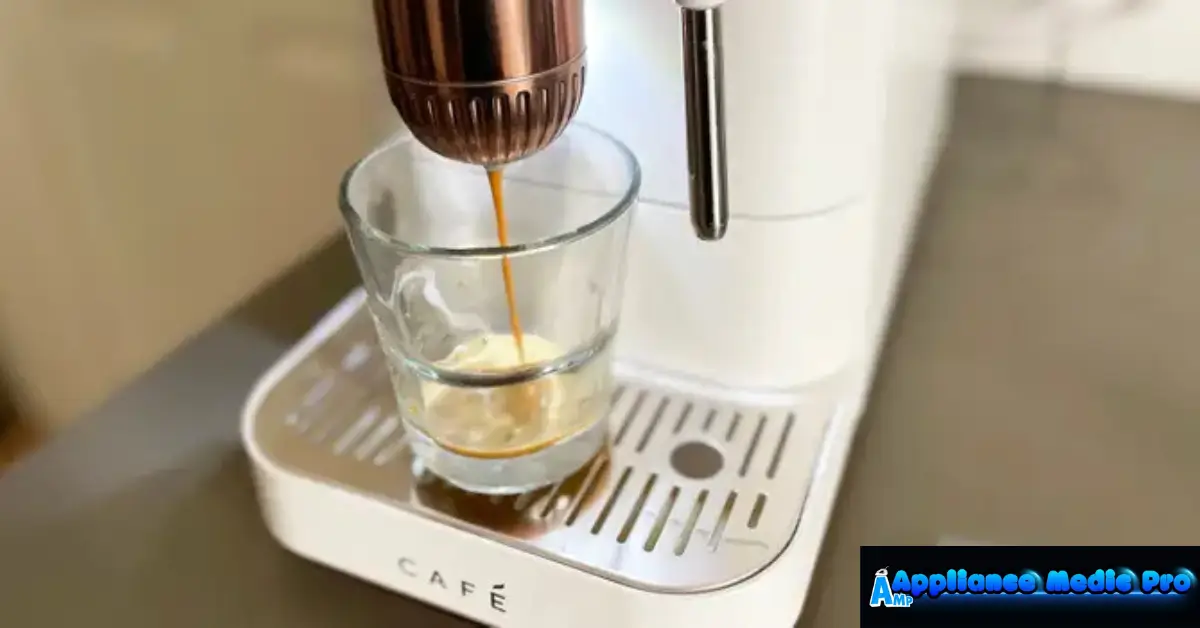
A GE Profile Semi‑Automatic Espresso Machine is a versatile coffee maker designed to bring café-style espresso into your home. These machines combine features like built-in grinders, steam wands, and smart connectivity with powerful pumping systems — giving you rich espresso shots, lattes, cappuccinos, and more in one compact appliance.
At Appliance Medic Pro, we’ve worked on many espresso machines, including GE units, and understand what owners love — and what troubleshooting they often need.
Key Features of GE Espresso Machines
Here are the most common features you’ll find in GE espresso machines:
☕ Built-In Grinder
Many GE models include a conical burr grinder with adjustable settings, so beans are ground fresh for each shot — improving flavor and consistency.
💪 High-Pressure Pump
Most GE machines use pumps rated 15–20 bars of pressure to extract espresso properly, enhancing aroma and crema.
📱 Smart Connectivity
Some models connect with apps (like SmartHQ) to customize drinks, save preferences, or receive updates.
☕ Steam Wand for Frothing
Steam wands let you texture milk for lattes and cappuccinos, giving you professional-style drinks at home.
💧 Adjustable Water Reservoir
Most units have a removable water tank that’s easy to refill and clean.
Common Problems We See (From Real Service Calls)
1. Grinder or Extraction Issues
Some owners report that beans don’t grind fine enough or that espresso pours too slowly, resulting in under-extracted shots. Adjusting grind size and tamping technique usually fixes this.
2. Pressure & Overpressure Errors
Occasionally, machines throw overpressure errors, even with no coffee in the portafilter. This can be caused by scale buildup, blocked valves, or airlocks in the water path. Descaling and cleaning can help.
3. First Shot and Airlock Problems
Some users find that the first shot of the day doesn’t brew properly due to air trapped in the lines. Running hot water before brewing can sometimes clear it — but persistent airlocks may need a professional check.
4. Steam Wand or Frother Issues
Milk frothing can be messy or produce lukewarm foam if the steam wand isn’t cleaned regularly or if pressure isn’t ideal.
5. Water Reservoir Access
In some installations, the water tank can be hard to access (especially if the machine sits under cabinets), making refills inconvenient.
Easy Maintenance Tips (DIY)
Keeping your GE espresso machine in good working order increases longevity and performance:
-
🧼 Descale regularly — especially in hard-water areas
-
🪶 Clean grinder and brew group weekly
-
💦 Use filtered water to reduce mineral buildup
-
🧽 Wipe the steam wand after every use
-
🔌 Check seals and gaskets for wear
Routine cleaning prevents common issues like blockages and pressure errors.
When to Call Appliance Medic Pro
Contact us if:
-
Your machine displays error codes regularly
-
Espresso pours weakly or unevenly
-
You notice leaks or water pooling
-
The steam wand doesn’t build pressure
-
The grinder fails to deliver beans properly
Professional service can eliminate problems before they escalate or damage expensive components.
Overall: Is a GE Espresso Machine Worth It?
Pros:
-
Built-in grinder and steam wand
-
Smart customization features
-
Good espresso extraction with proper maintenance
Cons:
-
Requires regular cleaning for best performance
-
Some models can be finicky with grind and pressure
-
Not as robust as commercial machines
For most home brewers, GE espresso machines hit the sweet spot between capability and price — as long as routine maintenance is performed.
Frequently Asked Questions
Q: Does a GE espresso machine need filtered water?
A: Yes — filtered water reduces scale buildup and prolongs machine life.
Q: Why does my GE machine show pressure errors?
A: Often due to scale, blocked valves, or air in the water path.
Q: How often should I descale?
A: Every 2–3 months in hard-water areas — more frequently if used daily.