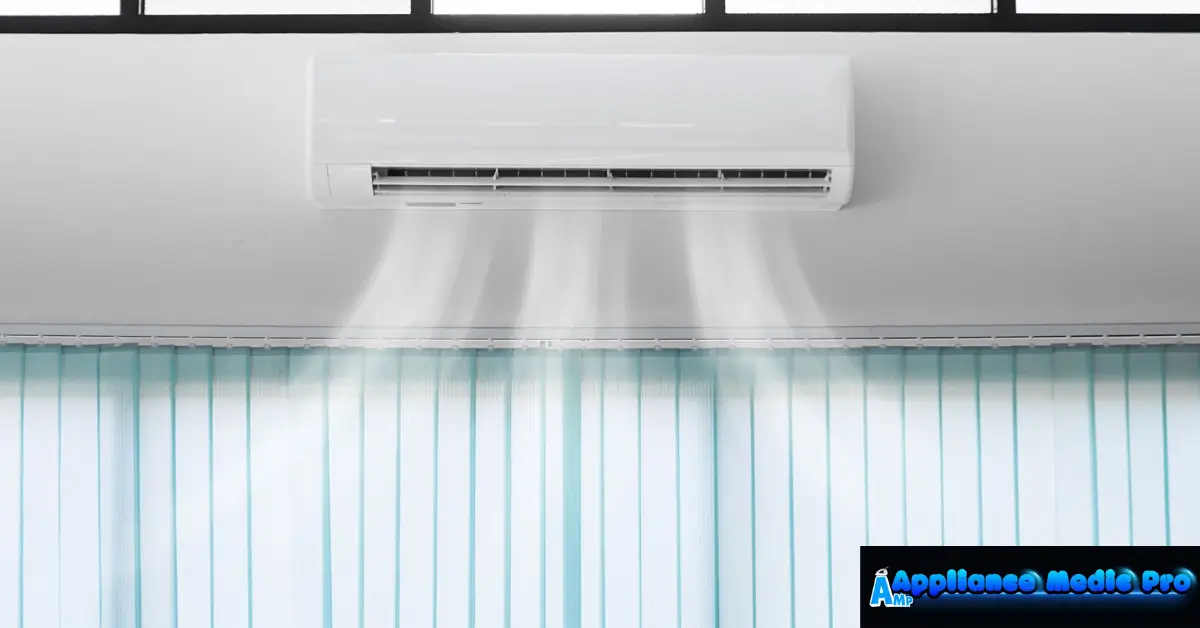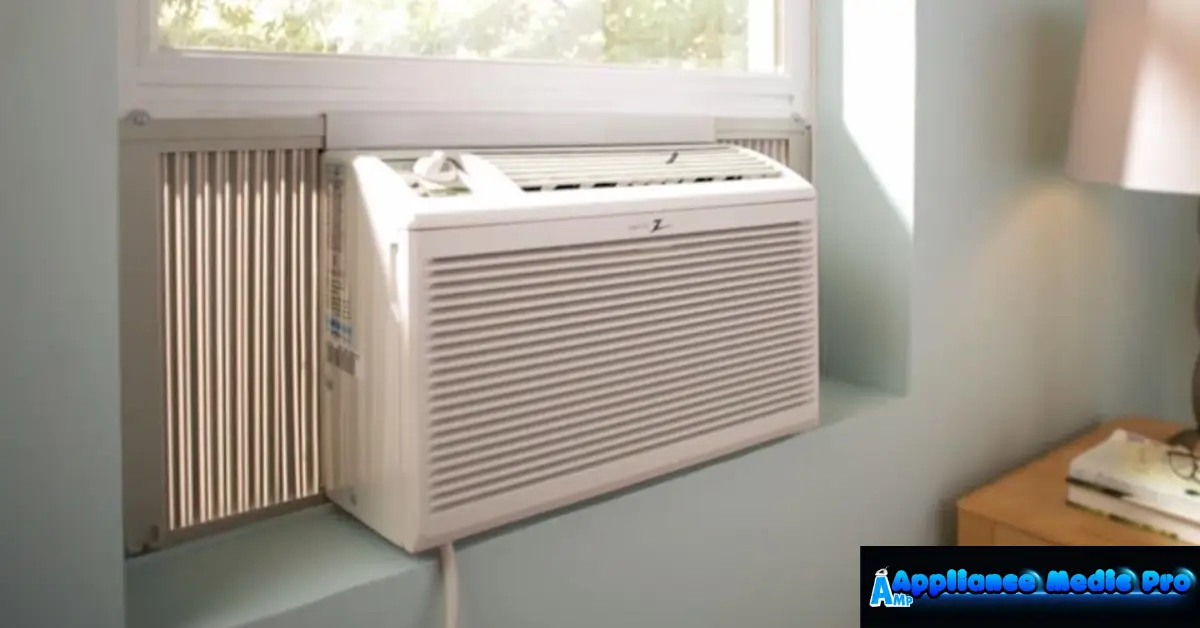
A GE Air Conditioner Wall Unit is a popular cooling solution for apartments, condos, offices, and homes without central air. These units are designed to fit permanently into a wall sleeve, offering powerful cooling without taking up window space.
At Appliance Medic Pro, we regularly service GE wall AC units and see exactly what causes issues — and how to fix them properly.
What Is a GE Wall Air Conditioner?
A GE wall air conditioner is a self-contained cooling unit installed through an exterior wall. Unlike window ACs, wall units are:
-
Permanently mounted
-
More secure
-
Better insulated
-
Designed for long-term use
They are commonly used in:
-
Apartments
-
Hotels
-
Older homes
-
Converted rooms or additions
Key Features of GE Wall AC Units
Most GE wall air conditioners include:
❄️ Powerful Cooling Capacity
Available in multiple BTU sizes to cool small to large rooms.
❄️ Digital Thermostat & Remote Control
Allows precise temperature control and convenience.
❄️ Energy-Saving Modes
Eco and sleep modes reduce electricity usage.
❄️ Built-In Dehumidification
Removes excess moisture from indoor air.
❄️ Compatibility with Wall Sleeves
Designed to fit standard GE or universal wall sleeves.
Common GE Wall Air Conditioner Problems
From real repair experience, these are the issues we see most often:
1. GE Wall AC Not Cooling Properly
Symptoms:
-
Air blows, but the room stays warm
-
Takes too long to cool
Possible causes:
-
Dirty air filter
-
Low refrigerant
-
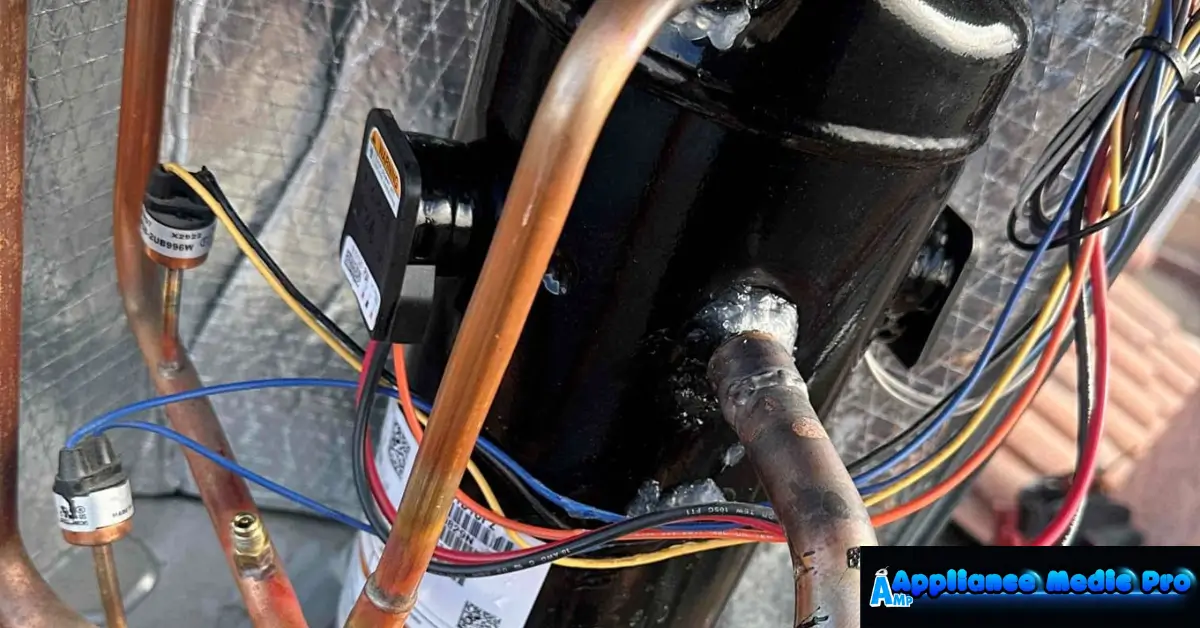
Faulty compressor
-
Incorrect unit size for the room
2. Air Conditioner Leaking Water Indoors
Usually caused by:
-
Clogged drain channel
-
Improper unit tilt
-
Dirty evaporator coil
Water leaks should be fixed quickly to prevent wall damage.
3. Unit Turns On and Off Frequently
This can happen due to:
-
Dirty condenser coil
-
Thermostat sensor problems
-
Oversized unit cycling too fast
4. Loud Buzzing or Rattling Noise
Common reasons include:
-
Loose mounting screws
-
Fan blade hitting housing
-
Worn motor bearings
Unusual noise is often an early warning sign.
5. GE Wall AC Not Turning On
Possible causes:
-
Power supply issue
-
Faulty control board
-
Failed capacitor
-
Tripped breaker
Troubleshooting Tips You Can Try
Before calling for service, safely try these steps:
✅ Clean or replace the air filter
✅ Make sure vents are not blocked
✅ Check breaker and outlet
✅ Clean visible dust from coils
✅ Set thermostat lower than room temperature
❌ Do NOT open sealed refrigerant lines or electrical panels.
Installation & Sizing Tips
Correct installation is critical for performance:
-
The unit must be slightly tilted outward for drainage
-
The wall sleeve must be sealed properly
-
Choose the correct BTU size for your room
-
Avoid installing near direct heat sources
Improper installation can lead to leaks, poor cooling, and a short unit lifespan.
Repair Cost vs Replacement (Estimated)
Typical service pricing:
-
Capacitor replacement: $100–$180
-
Fan motor repair: $150–$300
-
Control board replacement: $180–$350
-
Refrigerant leak repair: $250–$500
If the unit is under 10 years old, repair is often the best option.
Frequently Asked Questions
Q: Are GE wall air conditioners better than window units?
A: Yes — they’re more secure, insulated, and designed for permanent installation.
Q: How long does a GE wall AC last?
A: Typically 8–12 years with proper maintenance.
Q: Why does my wall AC smell musty?
A: Usually caused by moisture buildup or dirty coils.