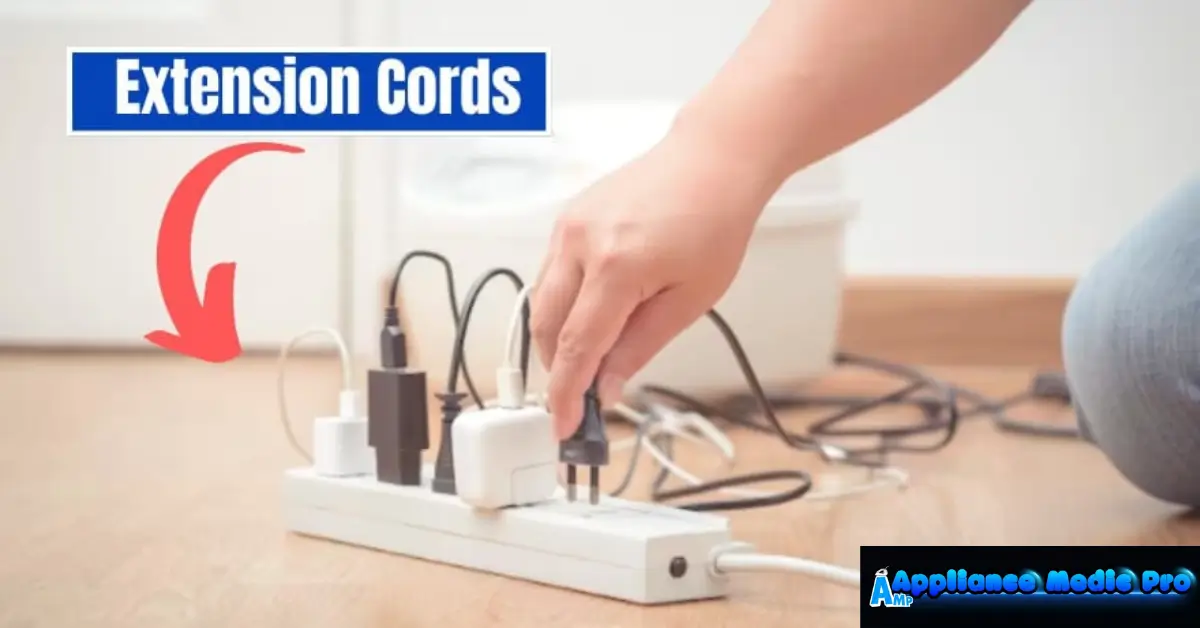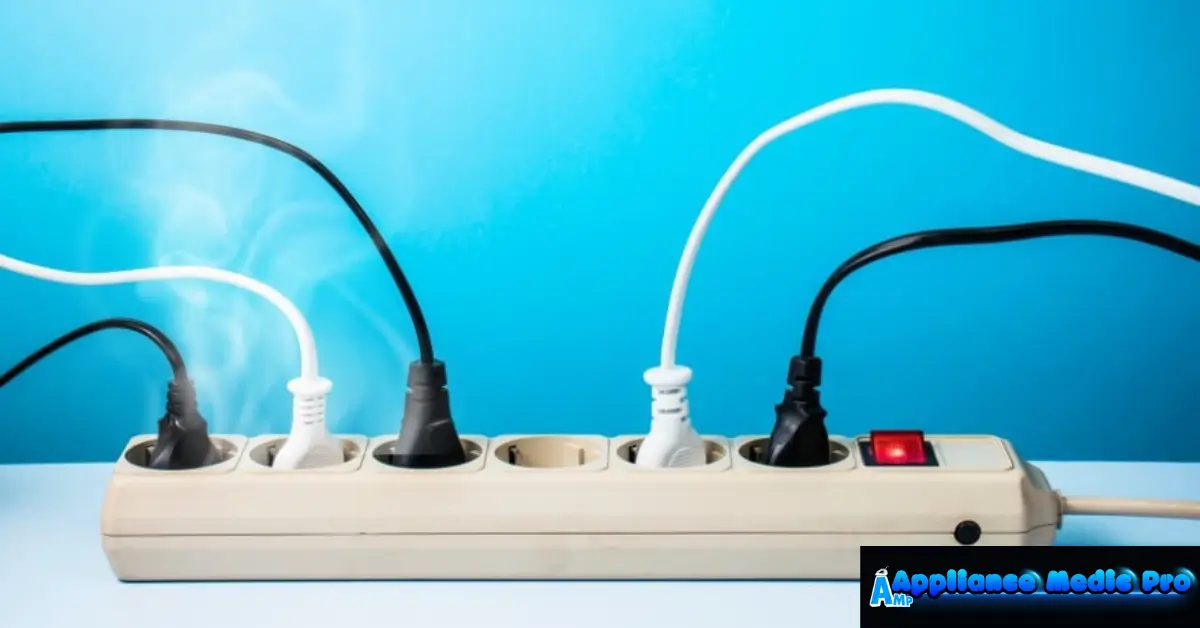
If an extension cord overheats an appliance, this is a serious safety warning. At Appliance Medic Pro, we treat overheated extension cords as a high fire-risk situation, especially when used with high-power appliances.
Extension cords are designed for temporary, light-duty use — not continuous appliance operation.
Is It Dangerous When an appliance?
Yes — extremely.
From real technician experience:
-
Overheated cords can melt insulation
-
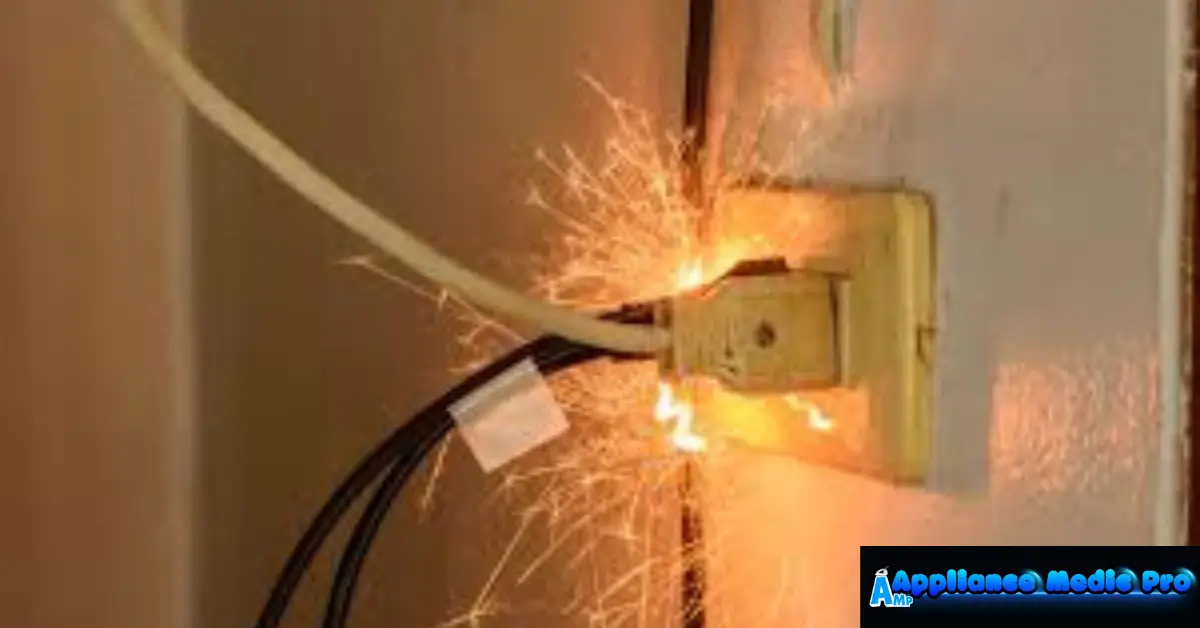
Electrical arcing can occur inside the cord
-
Many household fires start from overloaded extension cords
If a cord feels hot to the touch, stop using it immediately.
Common Reasons an Extension Cord Overheats an Appliance
1. Appliance Draws Too Much Power (Most Common)
High-wattage appliances like:
-
Space heaters
-
Air conditioners
-
Microwaves
-
Refrigerators
-
Washing machines
should never be used with extension cords.
These appliances draw more current than cords can safely handle.
2. Extension Cord Is Underrated
Many cords are:
-
Thin-gauge
-
Designed for lamps or electronics
-
Not rated for continuous load
Using a low-rated cord causes:
-
Excessive heat buildup
-
Voltage drop
-
Appliance strain
3. Damaged or Worn Extension Cord
We often find:
-
Cracked insulation
-
Loose plug ends
-
Bent or burned prongs
Damage increases resistance, which creates heat.
4. Long Cord Length or Coiled Cord
Long or coiled cords:
-
Increase electrical resistance
-
Trap heat inside the coil
-
Overheat even faster under load
5. Loose Outlet or Plug Connection
A loose connection causes:
-
Electrical arcing
-
Heat at the plug
-
Burn marks or melting
This is commonly mistaken for an “appliance problem.”
What You Should Do Immediately
✅ Turn OFF and unplug the appliance
✅ Unplug and discard the hot extension cord
✅ Plug the appliance directly into a wall outlet
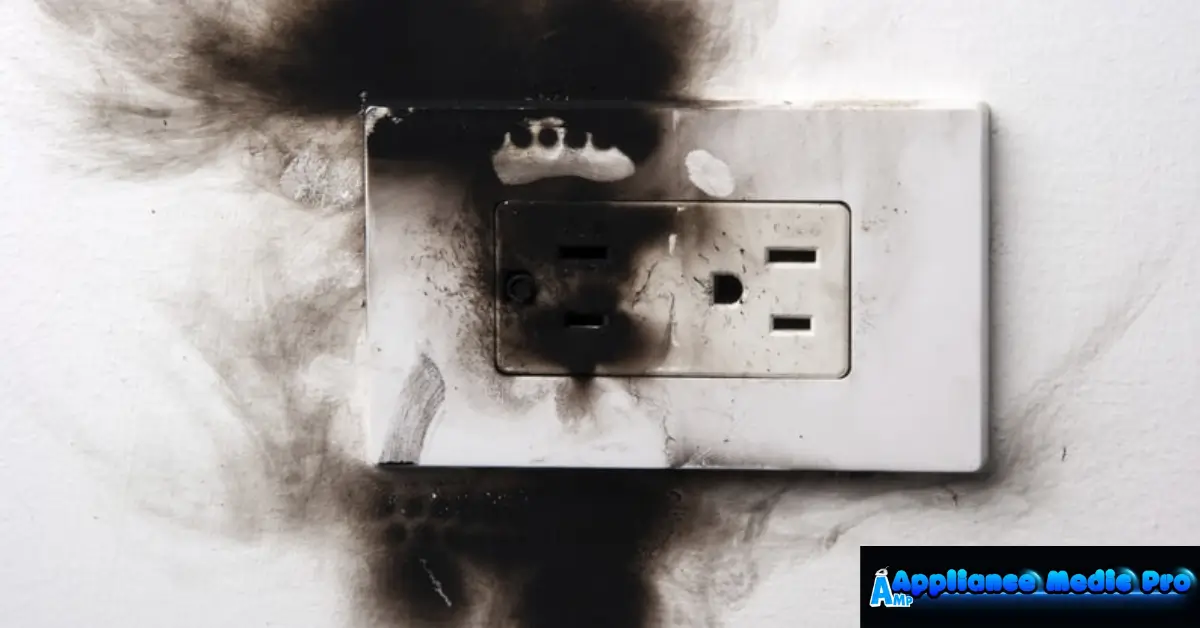
✅ Inspect outlet for burn marks
❌ Do NOT continue using the cord
❌ Do NOT tape or repair damaged cords
❌ Do NOT use power strips for appliances
Safe Alternatives to Extension Cords
From technician experience:
-
Install a dedicated outlet near the appliance
-
Use a heavy-duty, appliance-rated cord only if the manufacturer allows
-
Have an electrician add a proper circuit
Permanent solutions are always safer.
When to Call a Professional
Contact Appliance Medic Pro or an electrician if:
-
The outlet overheats as well
-
The breaker trips when the appliance runs
-
The cord or plug shows burn damage
-
The appliance smells like burning
Electrical heat issues should never be ignored.
Typical Repair or Fix Costs
Guidance only:
-
New heavy-duty outlet: $150–$300
-
Dedicated circuit installation: $300–$800
-
Appliance electrical inspection: $120–$250
Fire prevention is always cheaper than fire damage.
How to Prevent Extension Cord Overheating
From real-world experience:
-
Never run appliances on extension cords
-
Use cords only for temporary, low-load devices
-
Replace cords showing any wear
-
Avoid daisy-chaining cords
-
Keep cords uncoiled and ventilated
Frequently Asked Questions
Q: Can I use a heavy-duty extension cord for appliances?
A: Only temporarily and only if the appliance manufacturer allows it.
Q: Why does the plug get hot but not the cord?
A: Loose outlet or plug connection causing heat buildup.
Q: Is a warm cord okay?
A: No. Extension cords should remain cool during use.