Appliance water pressure issues are a common reason dishwashers don’t clean, washing machines fill slowly, and refrigerators stop dispensing water. At Appliance Medic Pro, we frequently see these problems caused by simple restrictions—but when ignored, they can lead to leaks, pump damage, or valve failure.
This guide explains what’s really happening and how to handle it safely.
What Are Appliance Water Pressure Issues?
Water pressure issues occur when appliances receive:
-
Too little water
-
Too much pressure
-
Inconsistent flow
Modern appliances are designed for specific pressure ranges, and anything outside that range can cause poor performance or damage.
Common Appliances Affected by Water Pressure Problems
From real service calls:
-
Washing machines
-
Dishwashers
-
Refrigerators with ice makers or dispensers
-
Coffee makers
-
Steam ovens
Common Causes of Appliance Water Pressure Issues
1. Clogged Inlet Screens
Most appliances have small mesh filters at the water inlet.
Over time, they clog with:
-
Sediment
-
Rust
-
Mineral buildup
This is one of the most common and fixable causes.
2. Kinked or Damaged Water Supply Lines
Flexible hoses can:
-
Bend behind appliances
-
Crack internally
-
Restrict flow
A partially blocked hose causes slow filling and pressure loss.
3. Low Household Water Pressure
If multiple appliances are affected, the pressure regulator may be failing
-
Plumbing restrictions may exist
-
Municipal supply issues may be present
Technicians test pressure at multiple points.
4. Faulty Water Inlet Valve
When valves fail, they may:
-
Open partially
-
Stick closed
-
Leak internally
This causes inconsistent water flow or filling errors.
5. High Water Pressure (Often Overlooked)
Excessive pressure can:
-
Damage valves
-
Cause leaks
-
Shorten appliance lifespan
High pressure is especially damaging to ice makers and dishwashers.
Symptoms of Water Pressure Issues
Look for:
-
Slow filling
-
Poor cleaning performance
-
No water dispensing
-
Unusual humming noises
-
Error codes related to water flow
These symptoms often worsen over time.
Safe DIY Checks You Can Do
Before calling for service:
-
Check supply hoses for kinks
-
Clean inlet screens (if accessible)
-
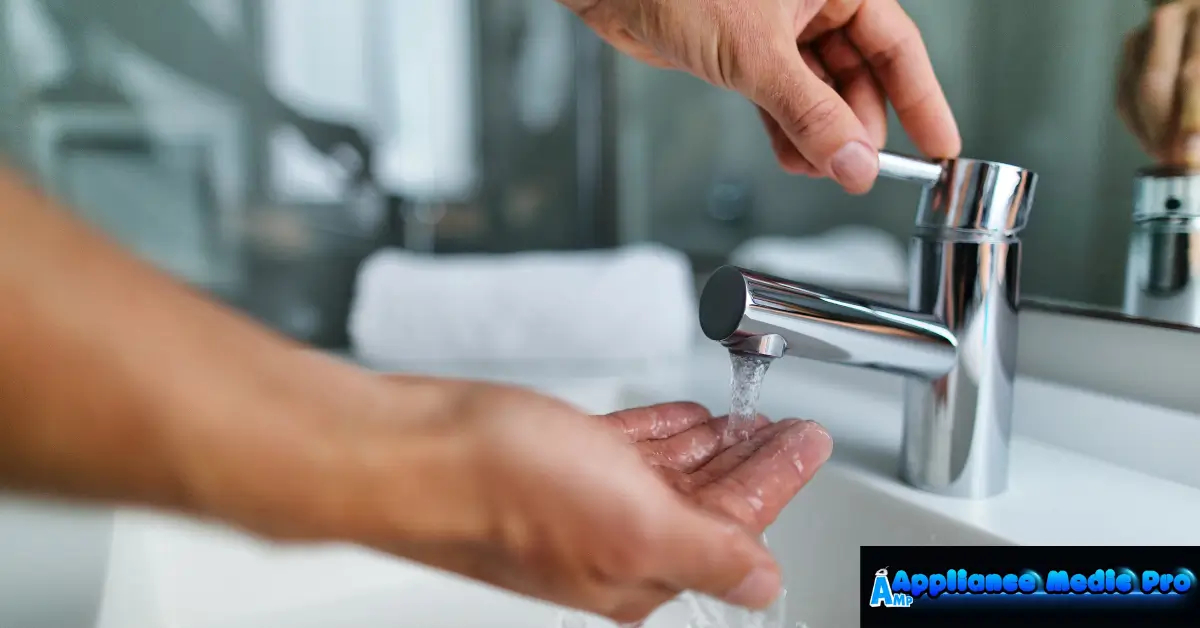
Test water pressure at nearby faucets
-
Ensure shut-off valves are fully open
❗ Always shut off water before disconnecting hoses.
When to Call a Professional
Call a technician if:
-
Pressure problems affect multiple appliances
-
Leaks are present
-
Error codes persist
-
Valves or internal components may be damaged
Professional diagnosis prevents flooding and appliance damage.
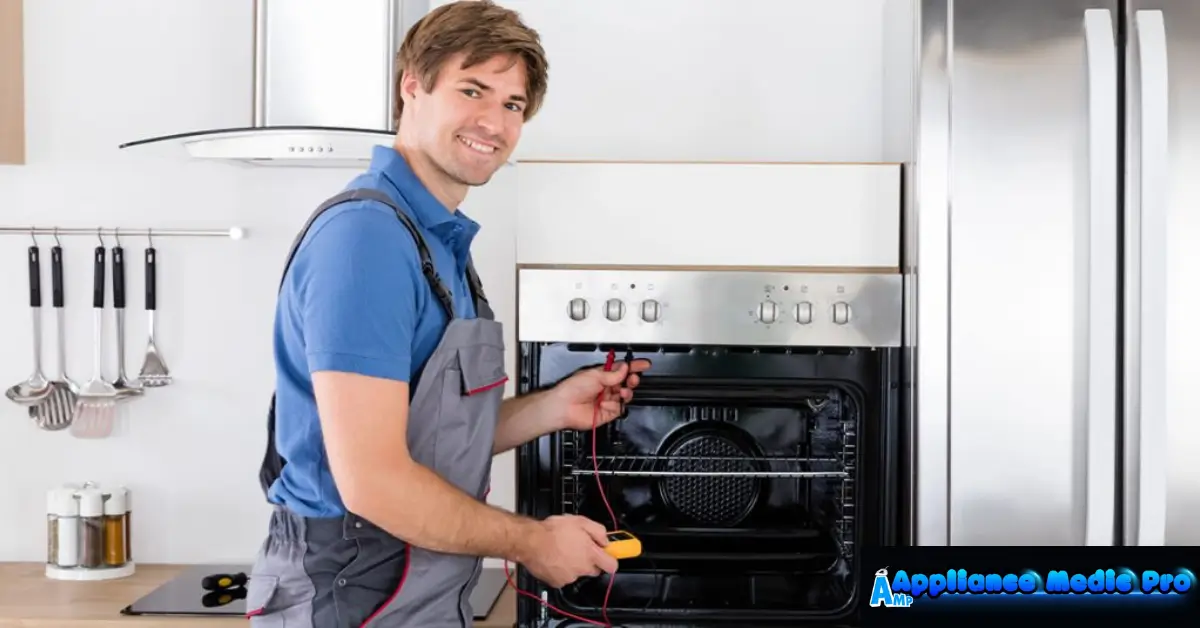
How Appliance Medic Pro Fixes Water Pressure Problems
We:
-
Test inlet pressure
-
Inspect valves and hoses
-
Clean or replace clogged components
-
Identify plumbing-related issues
Our goal is a safe, long-term solution, not a temporary fix.
Frequently Asked Questions
Q: Can low water pressure damage appliances?
A: Yes. Pumps and valves can overwork and fail prematurely.
Q: Is high water pressure worse than low pressure?
A: Both are harmful, but high pressure often causes leaks.
Q: Should I install a pressure regulator?
A: If pressure exceeds recommended limits, yes.