Appliance Water Leak Damage can cause significant damage in a short period. At Appliance Medic Pro, we regularly respond to calls where a small leak turned into damaged floors, cabinets, drywall, and even electrical hazards.
Quick action is critical. The sooner the leak is addressed, the less damage — and cost — you’ll face.
Why Appliance Water Leaks Are So Damaging
From real technician experience, appliance leaks often go unnoticed until:
-
Floors warp or bubble
-
Cabinets swell or rot
-
Mold begins to grow
-
Electrical components are affected
Even a slow drip can cause thousands of dollars in damage if ignored.
Common Appliances That Cause Water Leak Damage
-
Washing machines (hoses, pumps, door seals)
-
Dishwashers (door gaskets, drain hoses)
-
Refrigerators (water lines, defrost drains)
-
Ice makers (supply lines, valves)
-
Water dispensers (internal tubing)
-
Portable ACs (condensate drainage issues)
Most Common Causes of Appliance Water Leaks
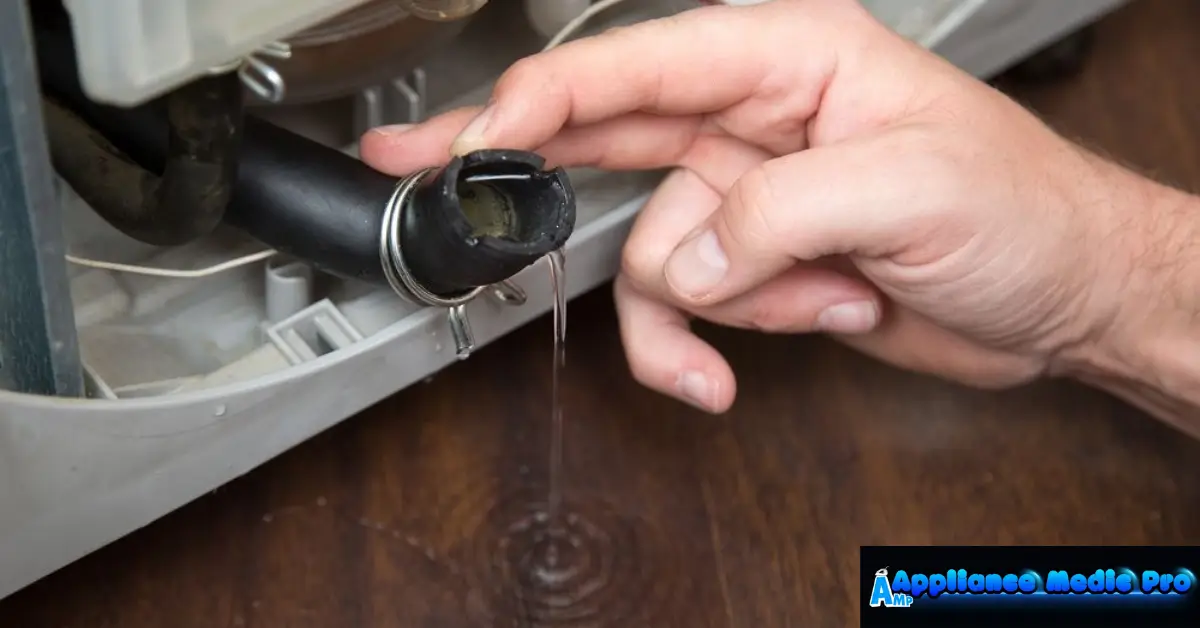
1. Damaged or Loose Water Supply Hoses (Most Common)
We see this constantly.
Causes:
-
Aging rubber hoses
-
Loose connections
-
Burst hoses under pressure
👉 Stainless steel braided hoses greatly reduce risk.
2. Worn Door Seals or Gaskets
If seals fail:
-
Water escapes during operation
-
Leaks appear at the front of the appliance
-
Damage spreads to the flooring and cabinets
3. Clogged or Blocked Drain Lines
Blocked drains cause:
-
Water backup
-
Overflow during cycles
-
Leaks that appear intermittently
4. Cracked Internal Components
Over time, plastic tubs, pumps, or valves can crack, especially in older appliances.
These leaks often:
-
Start small
-
Get worse quickly
-
Require immediate repair or replacement
5. Improper Installation
Improper leveling or loose connections can cause:
-
Slow leaks
-
Repeated water pooling
-
Premature seal failure
What to Do Immediately If an Appliance Leaks
🚨 Act fast to minimize damage:
✅ Turn OFF the appliance
✅ Shut OFF the water supply
✅ Unplug the appliance
✅ Dry visible water immediately
✅ Avoid using affected electrical outlets
❌ Do NOT keep running the appliance
❌ Do NOT ignore damp smells or soft flooring
Signs Water Leak Damage Has Already Occurred
Call a professional if you notice:
-
Warped or buckled floors
-
Musty or moldy smells
-
Discolored cabinets or walls
-
Soft or spongy flooring
-
Repeated breaker trips
Repair vs Damage Cost (What to Expect)
Typical repair costs:
-
Hose or gasket replacement: $100–$250
-
Pump or valve repair: $150–$350
Water damage repair (if delayed):
-
Flooring replacement: $1,000+
-
Cabinet repair: $500–$2,000
-
Mold remediation: $1,500+
👉 Fixing the leak early saves a significant amount of money.
How to Prevent Appliance Water Leak Damage
From technician experience:
-
Replace rubber hoses every 5 years
-
Use braided stainless steel hoses
-
Inspect appliances monthly
-
Don’t overload washers or dishwashers
-
Install water leak detectors near appliances
Frequently Asked Questions
Q: Is a small appliance leak really a big problem?
A: Yes. Small leaks cause major damage over time.
Q: Should I turn off the main water supply?
A: Yes, if the leak source is unclear or severe.
Q: Can water leaks affect electrical systems?
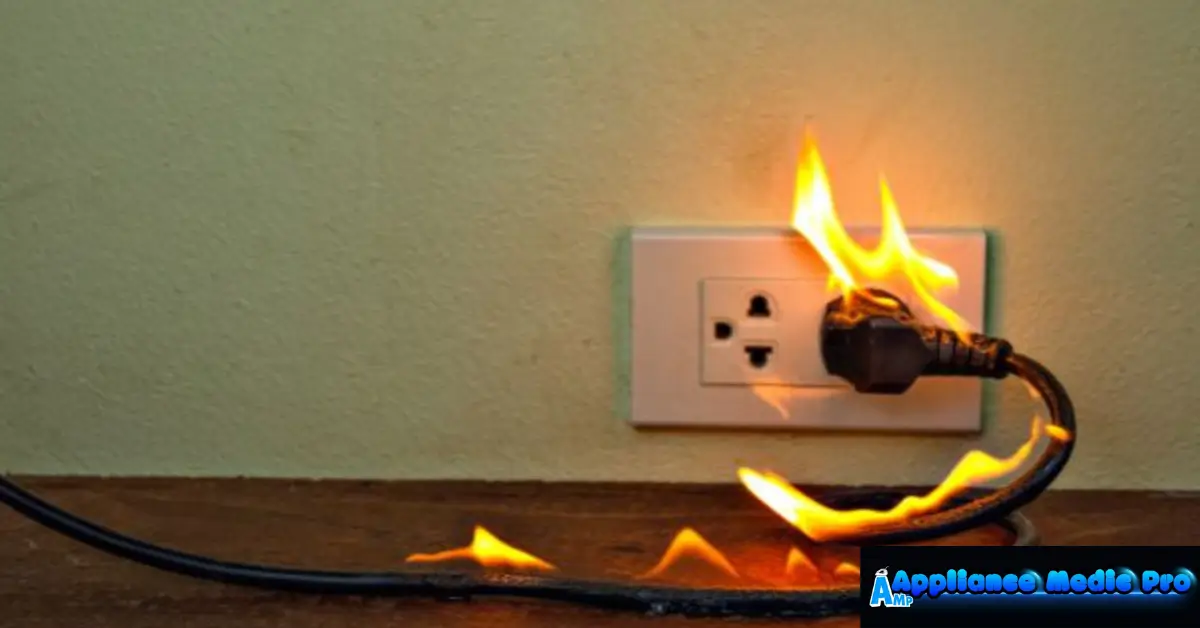
A: Absolutely — they can cause shorts, shocks, and fire hazards.