Modern appliances rely heavily on sensors to monitor temperature, moisture, water levels, and safety conditions. When a sensor fails, the appliance may behave unpredictably or stop working altogether.
At Appliance Medic Pro, sensor-related issues are one of the most commonly misdiagnosed problems we see.
What Does an Appliance Sensor Do?
Sensors help appliances:
-
Regulate temperature
-
Detect moisture or water levels
-
Monitor door position
-
Control cycles and safety shutdowns
A single faulty sensor can disrupt the entire appliance.
Most Common Appliance Sensor Failure Symptoms
1. Appliance Stops Mid-Cycle
A failing sensor may falsely report:
-
Overheating
-
Water level issues
-
Door not closed
This triggers an automatic shutdown to prevent damage.
2. Incorrect Temperatures
Common examples:
-
The oven runs too hot or too cold
-
The refrigerator freezes food or won’t cool
-
Dryer overheats or never heats
Temperature sensor failure is a top cause of inconsistent performance.
3. Error Codes Keep Appearing
Modern appliances use sensors to detect faults.
Warning signs:
-
Repeating error codes
-
Codes return after reset
-
Multiple different error messages
These usually point to sensor communication problems.
4. Appliance Won’t Start at All
If safety sensors fail, the appliance may refuse to start to prevent hazards.
Common triggers:
-
Door or lid sensors
-
Pressure sensors
-
Flame or airflow sensors
5. Cycles Take Too Long or End Too Quickly
Moisture and load sensors control timing.
Symptoms include:
-
The dryer runs endlessly
-
The washer finishes too fast
-
Dishwasher ends early with dirty dishes
6. Unusual Noises or Clicking
When sensors send incorrect signals:
-
Relays click repeatedly
-
Fans turn on and off
-
Compressor short-cycles
This can lead to serious component damage if ignored.
7. Appliance Overfills or Underfills
Water level sensor failure may cause:
-
Washing machine overflow
-
Dishwasher not filling enough
-
The ice maker is producing little or no ice
These issues often look like valve problems but are sensor-related.
What Causes Appliance Sensor Failure?
From real repair cases:
-
Heat exposure
-
Moisture damage
-
Corrosion
-
Electrical surges
-
Normal wear and tear
Sensors are delicate and degrade over time.
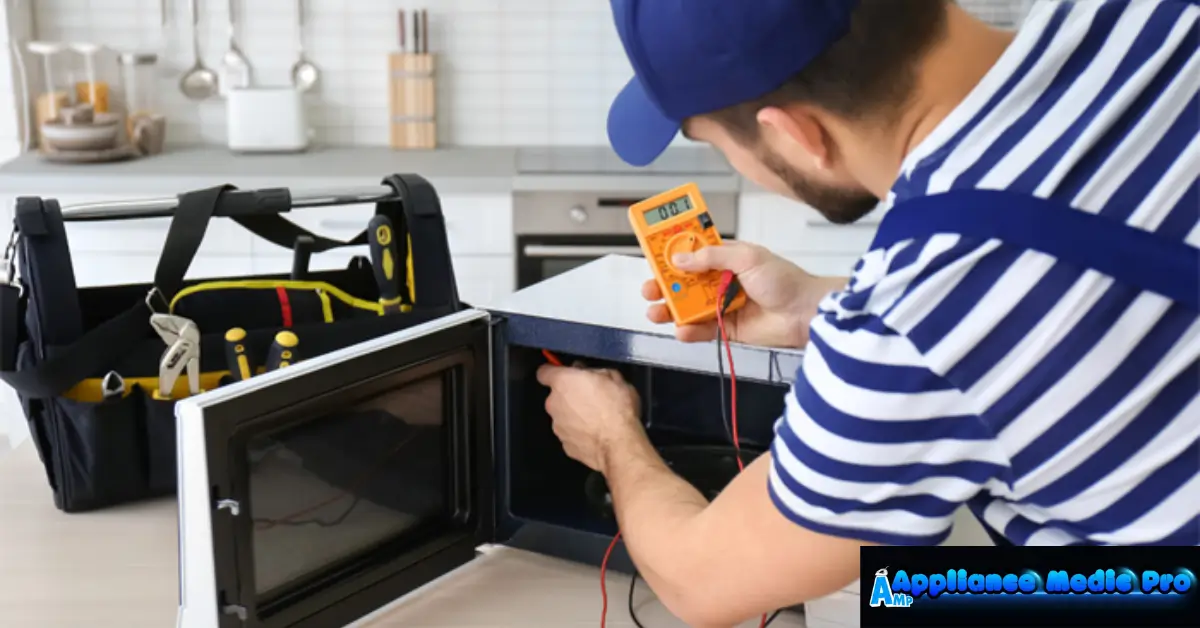
Can You Fix a Sensor Yourself?
In most cases, no.
Why:
-
Sensors require precise calibration
-
Incorrect replacement can damage control boards
-
Warranties may be voided
Professional diagnosis is strongly recommended.
When to Call a Technician
Call for service if:
-
Error codes keep returning
-
Appliance shuts down randomly
-
Temperatures are unsafe
-
Water levels are abnormal
Ignoring sensor failure can lead to costly secondary damage.
Frequently Asked Questions
Q: Are sensors expensive to replace?
A: Most sensors are affordable, but labor and diagnosis matter.
Q: Can a bad sensor damage other parts?
A: Yes, especially heating elements, compressors, and motors.
Q: Will resetting the appliance fix sensor problems?
A: Resets may temporarily hide symptoms, but don’t fix failure.