Home Appliance Safety Inspection Guide—but when they aren’t inspected regularly, they can become serious safety hazards. At Appliance Medic Pro, many emergency service calls we respond to could have been prevented with a simple safety inspection.
This guide walks you through how to inspect your appliances safely, what warning signs to watch for, and when professional service is necessary.
Why Appliance Safety Inspections Matter
From real technician experience, neglected appliances can lead to:
-
Electrical fires
-
Gas leaks
-
Carbon monoxide exposure
-
Water damage
-
Mold growth
Regular inspections protect your home, your family, and your investment.
How Often Should Appliances Be Inspected?
We recommend:
-
Monthly visual checks
-
Annual professional inspections for major appliances
-
Immediate inspection if performance changes suddenly
Appliance Safety Inspection Checklist (Homeowner-Friendly)
1. Electrical Safety Checks
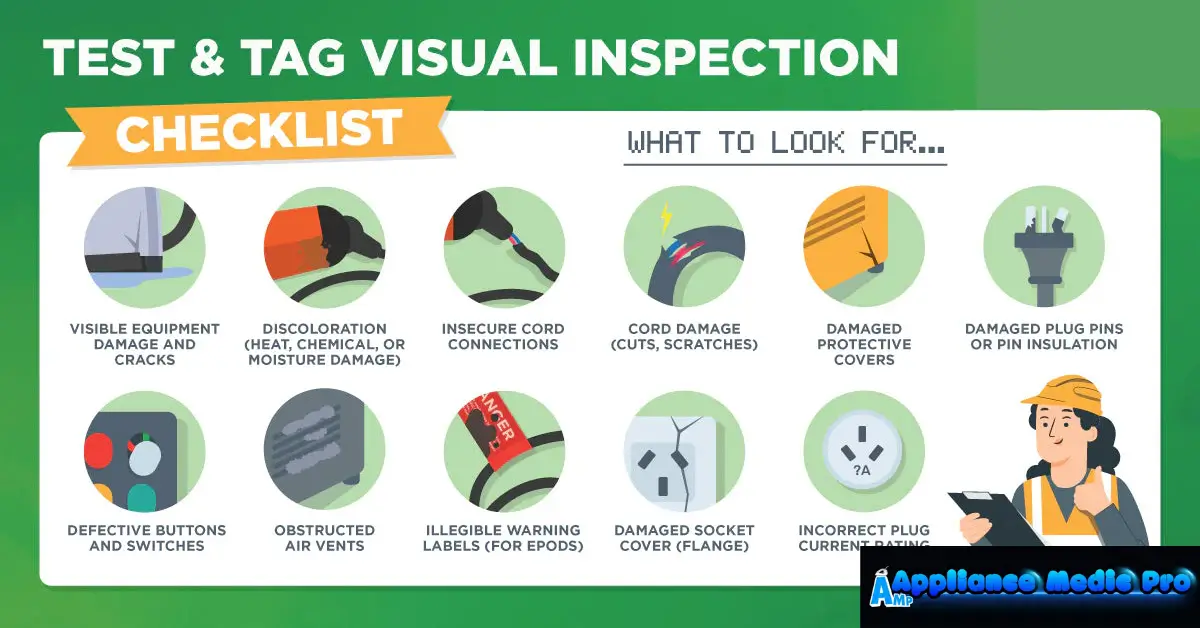
Inspect cords and plugs for:
-
Fraying or exposed wires
-
Burn marks or discoloration
-
Loose or hot plugs
⚠️ If a cord feels hot, unplug the appliance and stop using it.
2. Gas Appliance Safety
For gas stoves, dryers, and heaters:
-
Smell for gas odors
-
Check burners for even blue flames
-
Listen for hissing sounds
❌ Never ignore gas smells—shut off the gas and call a professional.
3. Ventilation and Airflow
Poor airflow is one of the most dangerous issues we see.
Check:
-
Dryer vents for lint buildup
-
Refrigerator coils for dust
-
Oven and range hood vents for blockage
Restricted airflow increases fire risk and efficiency loss.
4. Water and Leak Inspection
For washers, dishwashers, and refrigerators:
-
Inspect hoses for cracks or bulges
-
Check under appliances for moisture
-
Look for rust or corrosion
Small leaks can quickly turn into major damage.
5. Temperature and Performance Checks
Appliances struggling to maintain temperature can be unsafe.
Watch for:
-
Oven overheating
-
Refrigerator not staying cold
-
Dryer becoming excessively hot
These issues require professional diagnosis.
6. Unusual Noises or Smells
From technician experience, new sounds or smells are early warning signs.
Pay attention to:
-
Grinding, buzzing, or rattling
-
Burning or chemical odors
-
Musty or moldy smells
Appliance-Specific Safety Tips
Dryer
-
Clean the lint trap after every load
-
Inspect the vent hose annually
-
Never run unattended overnight
Refrigerator
-
Clean condenser coils twice a year
-
Ensure proper door sealing
-
Keep vents inside clear
Dishwasher
-
Clean filter monthly
-
Check the heating element area
-
Inspect door seals
Oven & Stove
-
Test burner ignition
-
Keep burners clean
-
Never block ventilation openings
When to Stop Using an Appliance Immediately
Stop and unplug (or shut off gas) if:
-
You smell burning or gas
-
Circuit breakers trip repeatedly
-
Water leaks near electrical components
-
Appliance overheats or sparks
Call Appliance Medic Pro right away in these cases.
Professional Safety Inspection: What We Check
During a professional inspection, we:
-
Test electrical and gas connections
-
Check airflow and ventilation
-
Inspect internal safety components
-
Identify efficiency and fire risks
-
Provide a clear safety report
Frequently Asked Questions
Q: Can I do appliance safety checks myself?
A: Yes, basic inspections are safe—but internal repairs require a professional.
Q: Are old appliances more dangerous?
A: Not always, but wear and outdated safety features increase risk.
Q: How long does a safety inspection take?
A: Usually 30–60 minutes per appliance.