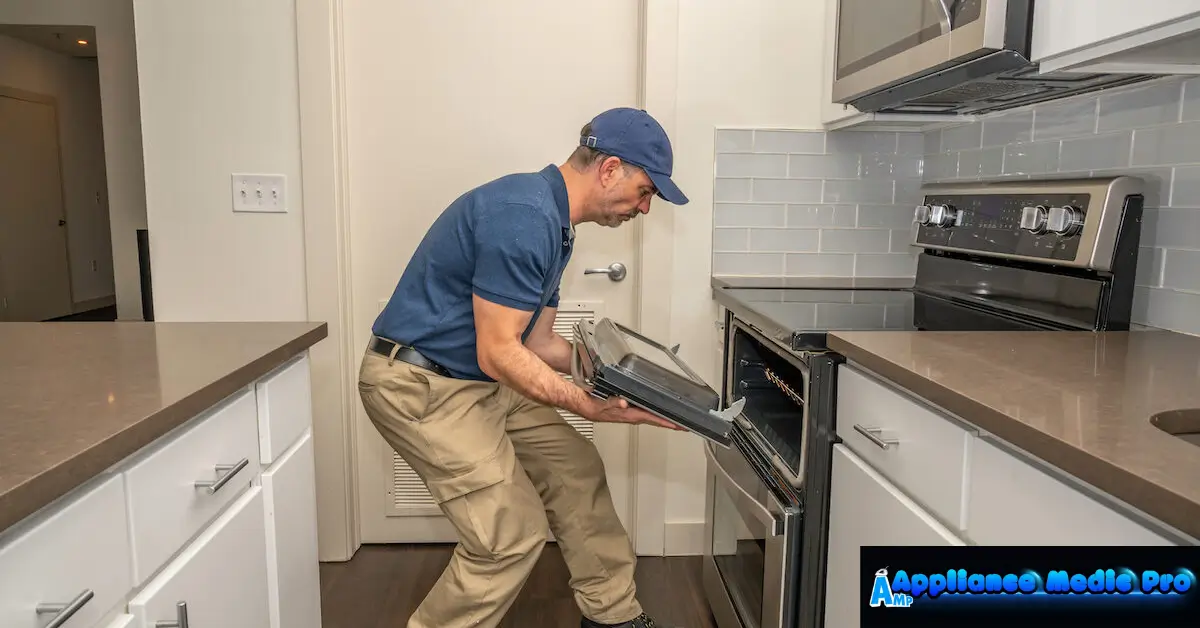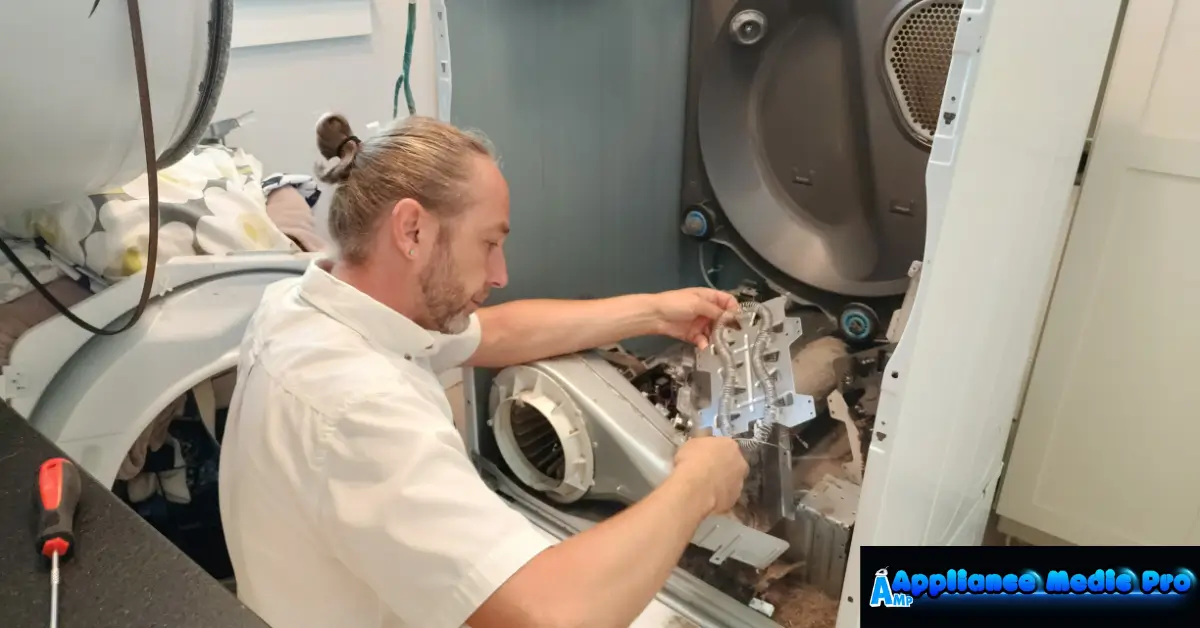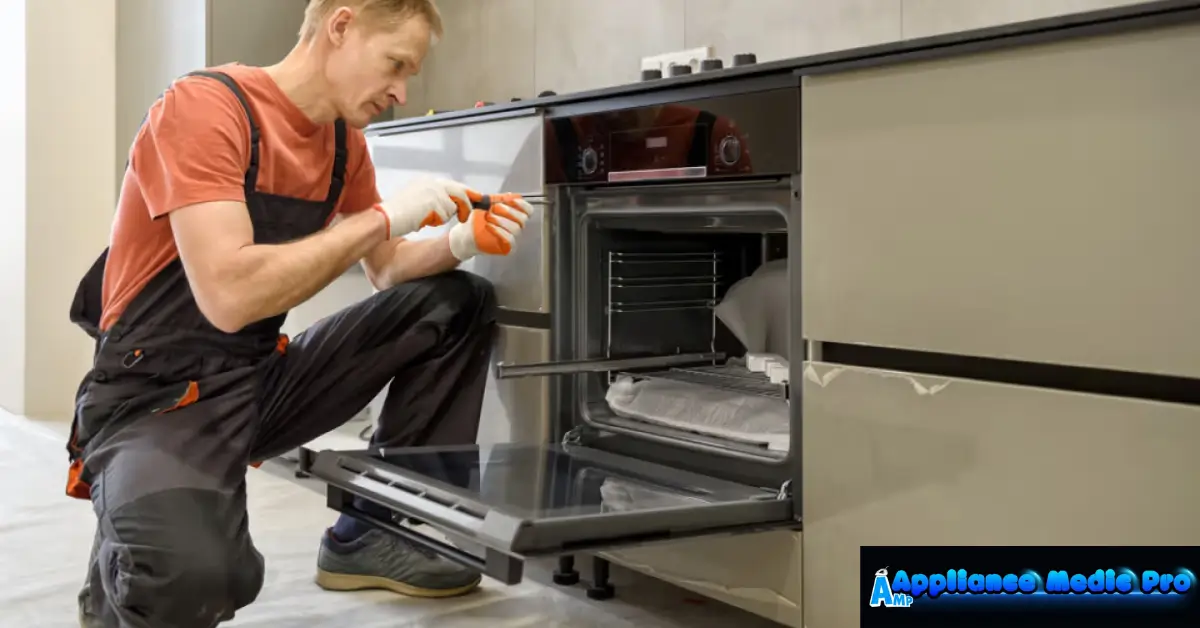
When Appliance Performance Drop Causes working more slowly, weakly, or less efficiently, it’s usually not a sudden failure — it’s a gradual performance drop. At Appliance Medic Pro, we see this across dryers, washers, refrigerators, dishwashers, ovens, and AC units.
Most homeowners notice it as:
-
Longer cycle times
-
Higher energy bills
-
Poor results (wet clothes, warm fridge, weak airflow)
Understanding the causes helps you fix issues early and avoid expensive breakdowns.
Why Appliance Performance Drops Over Time
From real technician experience, performance decline almost always comes down to restricted airflow, buildup, wear, or electrical inefficiency — not age alone.
Most Common Causes of Appliance Performance Drop
1. Dirt, Grease, and Buildup (Most Common)
This is the #1 cause across all appliances.
Examples we see daily:
-
Dryer vents are clogged with lint
-
Washer detergent residue buildup
-
Refrigerator coils covered in dust
-
Dishwasher filters clogged with food
Buildup forces appliances to work harder for weaker results.
2. Poor Airflow or Venting Issues
Appliances rely on airflow to function efficiently.
Performance drops when:
-
Dryer vents are restricted
-
Refrigerator airflow is blocked
-
AC filters or ducts are dirty
-
Microwave vents are obstructed
Restricted airflow leads to overheating and inefficiency.
3. Worn or Aging Components
Parts wear gradually, not suddenly.
Common examples:
-
Dryer belts and rollers
-
Washer bearings and shocks
-
Refrigerator fans
-
AC capacitors and motors
Worn parts still work — just not at full capacity.
4. Electrical Supply Problems
From service calls, we often find:
-
Loose outlets
-
Weak voltage
-
Failing power cords
-
Tripped breakers not fully reset
Appliances may turn on but never reach full power.
5. Incorrect Settings or Usage Habits
User habits matter more than people realize.
Examples:
-
Overloading washers or dryers
-
Using the wrong detergent
-
Running appliances on eco modes unintentionally
-
Using oversized or undersized appliances for the space
These reduce performance without obvious errors.
6. Lack of Routine Maintenance
Appliances aren’t maintenance-free.
Without upkeep:
-
Efficiency drops
-
Parts fail sooner
-
Energy costs increase
We often see performance restored after basic maintenance alone.
7. Sensor or Control Board Issues
Modern appliances rely heavily on sensors.
If sensors misread:
-
Cycles stop too early
-
Temperatures are inaccurate
-
Moisture detection fails
This leads to inconsistent results.
Signs Your Appliance Performance Is Dropping
Watch for:
-
Longer run times
-
Increased noise
-
Excess heat
-
Poor cleaning or cooling
-
Rising energy bills
These are early warning signs — not something to ignore.
What You Can Do to Restore Performance
Safe DIY Actions
✅ Clean filters, vents, and coils
✅ Use correct detergent and loads
✅ Check power supply
✅ Reset appliance settings
✅ Follow manufacturer maintenance guidelines
When to Call a Professional
Contact Appliance Medic Pro if:
-
Cleaning doesn’t help
-
Performance keeps declining
-
Multiple appliances show issues
-
You notice burning smells or overheating
Early professional inspection often prevents full appliance failure.
Repair vs Replacement – What Makes Sense?
From experience:
-
Maintenance restores performance in many cases
-
Targeted part replacement is often affordable
-
Replacement is best when the repair exceeds 50% of the unit value
We always provide honest recommendations, not upsells.
How to Prevent Appliance Performance Drops
From technician experience:
-
Clean regularly
-
Don’t overload
-
Use proper settings
-
Schedule preventative maintenance
-
Address small issues early
Frequently Asked Questions
Q: Is an appliance performance drop normal?
A: Yes, but major drops are usually preventable.
Q: Can maintenance really improve performance?
A: Absolutely — we see it daily.
Q: Should I replace an appliance just because it’s slow?
A: Not until it’s properly inspected.