Most major appliance breakdowns don’t happen suddenly. At Appliance Medic Pro, we regularly find that customers notice warning signs weeks—or even months—before a complete failure occurs. Recognizing appliance part failure symptoms early can prevent costly repairs and unsafe situations.
Why Appliance Parts Fail Over Time
From real service experience, appliance parts fail due to:
-
Normal wear and tear
-
Heat buildup
-
Moisture exposure
-
Overloading
-
Poor maintenance
When one part begins to fail, it often stresses other components.
Common Appliance Part Failure Symptoms
1. Unusual Noises (Very Common)
This is one of the earliest symptoms we hear about.
Examples:
-
Grinding or scraping → bearing or motor wear
-
Squealing → belt or pulley failure
-
Clicking → relay, switch, or electrical issue
New or worsening noises almost always mean a mechanical problem.
2. Weak or Inconsistent Performance
Failing parts can’t do their job properly.
Signs include:
-
The dryer takes multiple cycles
-
The washer doesn’t spin or drain fully
-
Refrigerator struggles to maintain temperature
-
The dishwasher doesn’t clean effectively
This often indicates motor, pump, or heating component failure.
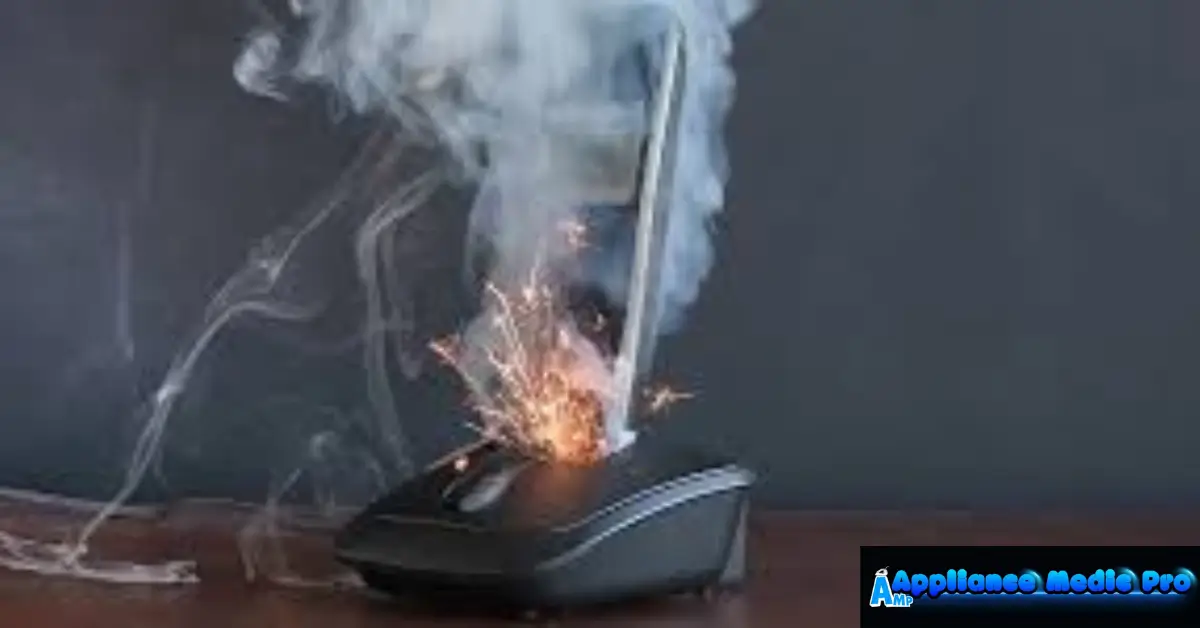
3. Burning Smells or Overheating
Any burning odor is a serious warning sign.
From technician experience:
-
Electrical smells → wiring or control board failure
-
Hot plastic smells → overheating components
-
Burning lint or oil smells → airflow restriction or motor stress
⚠️ Stop using the appliance until it’s checked.
4. Frequent Error Codes or Shutdowns
Modern appliances monitor failing parts.
Common triggers:
-
Faulty sensors
-
Weak motors
-
Failing control boards
Repeated error codes mean a part is failing—not a software glitch.
5. Leaks or Moisture Where It Shouldn’t Be
Water leaks often indicate:
-
Pump failure
-
Cracked hoses
-
Worn seals or gaskets
Ignoring leaks can damage floors and nearby components.
6. Tripped Breakers or Blown Fuses
If an appliance causes electrical issues:
-
Motors may be shorting
-
Heating elements may be failing
-
Wiring may be damaged
This is both a failure symptom and a safety concern.
7. Appliance Won’t Start or Stops Mid-Cycle
Intermittent operation usually points to:
-
Failing door switches
-
Worn control boards
-
Weak motors or relays
These symptoms typically worsen over time.
Appliance-Specific Part Failure Examples
Refrigerator
-
Clicking but not cooling → start relay failure
-
Warm fridge, cold freezer → fan motor issue
Washer
-
Won’t spin → motor coupling or clutch
-
Loud banging → suspension or bearing failure
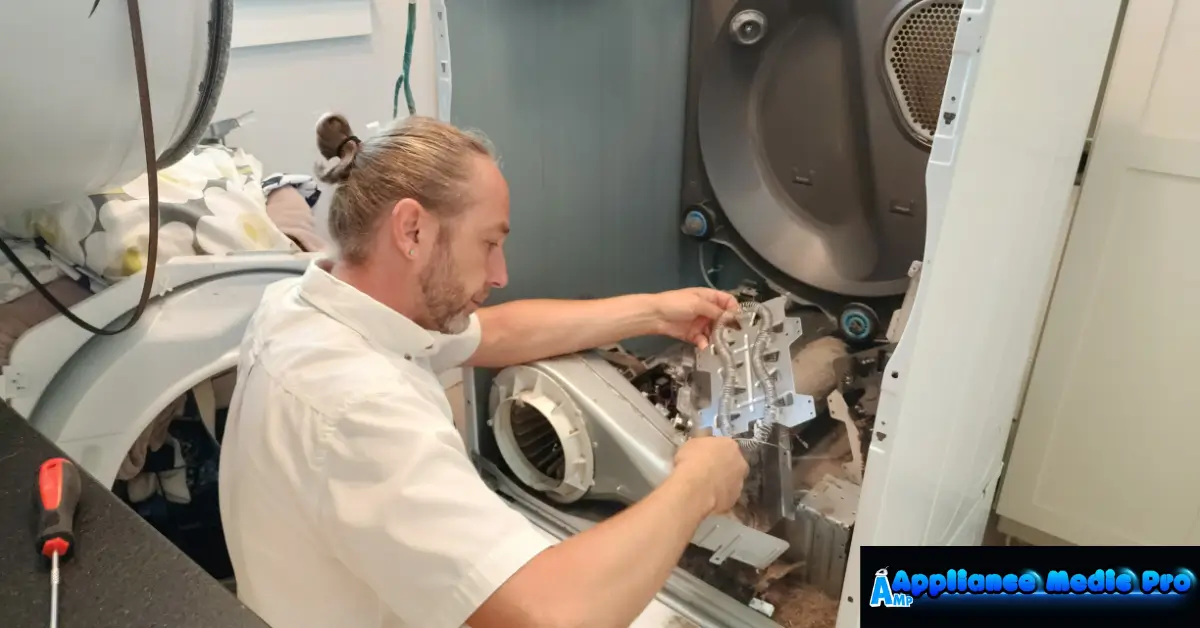
Dryer
-
No heat → heating element or thermal fuse
-
Squealing → idler pulley or rollers
Dishwasher
-
Not draining → pump failure
-
Buttons not working → control panel issue
What You Should Do When You Notice Symptoms
✅ Stop using the appliance if safety is a concern
✅ Don’t ignore new noises or smells
✅ Avoid repeated restarts
✅ Schedule a professional diagnosis early
Early repair often prevents secondary damage.
Repair vs Replacement – Technician Insight
At Appliance Medic Pro, we consider:
-
Age of appliance
-
Cost of the failed part
-
Overall condition
-
Energy efficiency
In many cases, replacing a single failing part restores full function.
Frequently Asked Questions
Q: Can a failing part damage other components?
A: Yes. One bad part often stresses the entire system.
Q: Is it safe to keep using an appliance with symptoms?
A: Not recommended—especially with electrical or heat issues.
Q: How quickly do failure symptoms worsen?
A: Sometimes slowly, sometimes suddenly—there’s no safe timeline.