Appliance overheating is one of the most dangerous household appliance problems. At Appliance Medic Pro, we frequently see overheating ignored until it results in burned wiring, appliance failure, or house fires.
If an appliance feels unusually hot, smells strange, or shuts itself off, it’s warning you.
Why Appliance Overheating Is Dangerous
From real technician experience:
-
Excess heat damages internal wiring
-
Plastic components melt and short-circuit
-
Motors and control boards fail
-
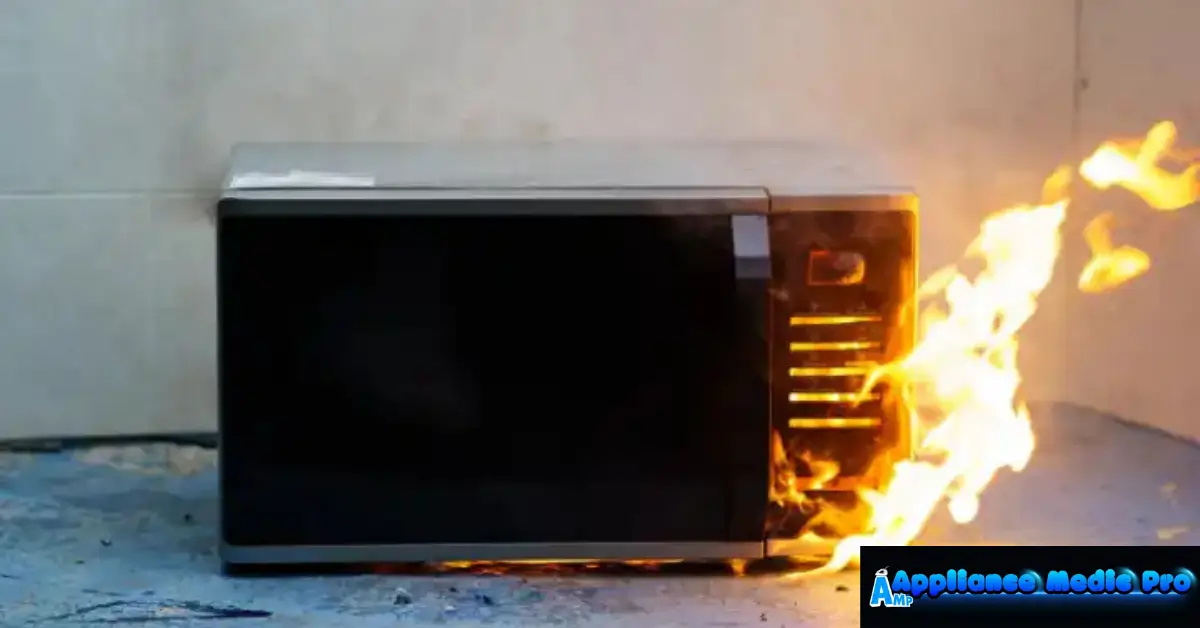
Fire risk increases dramatically
Overheating is not normal — even if the appliance still works.
Common Signs of Appliance Overheating
1. Appliance Feels Hot to the Touch
Some warmth is normal, but excessive heat on panels, cords, or plugs is not.
2. Burning or Electrical Smell
This often means:
-
Insulation is breaking down
-
Wiring is overheating
-
Components are near failure
Stop using the appliance immediately.
3. Appliance Shuts Off Mid-Use
Modern appliances have thermal protection that:
-
Turns the unit off when overheated
-
Prevents total failure or fire
Repeated shut-offs signal a serious issue.
4. Buzzing, Clicking, or Popping Sounds
These sounds often indicate:
-
Electrical arcing
-
Overloaded components
-
Failing motors
5. Discolored or Melted Parts
Visible signs include:
-
Burn marks
-
Warped plastic
-
Melted plugs or outlets
These require immediate attention.
Common Causes of Appliance Overheating
Blocked Airflow
Dirty filters, lint buildup, or blocked vents trap heat.
Failing Motors or Components
Worn motors draw extra power and overheat.
Electrical Problems
Loose wiring, damaged cords, or bad outlets create resistance and heat.
Overloading the Appliance
Running appliances beyond capacity stresses motors and wiring.
Lack of Maintenance
Neglected appliances accumulate debris and wear faster.
Appliances Most at Risk of Overheating
Based on service experience:
-
Dryers
-
Washing machines
-
Refrigerators
-
Dishwashers
-
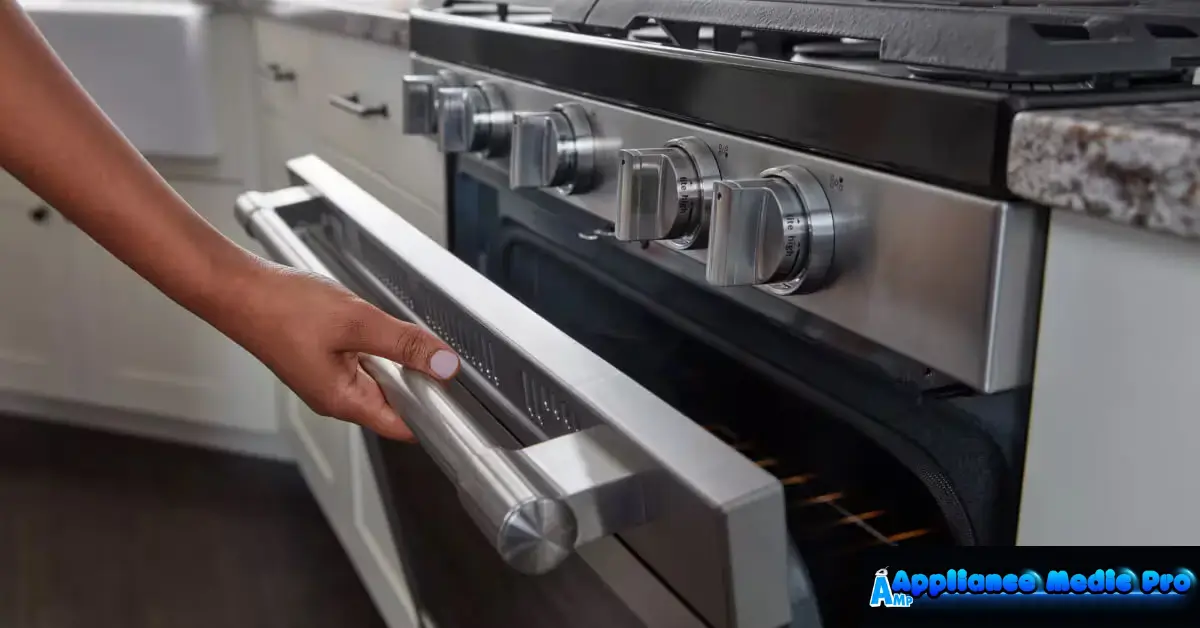
Ovens and stoves
-
Air conditioners
-
Space heaters
What To Do If an Appliance Overheats
✅ Turn off the appliance immediately
✅ Unplug or shut off power/gas
✅ Allow it to cool completely
✅ Inspect for obvious damage
✅ Schedule professional service
❌ Do not keep restarting it
❌ Do not ignore smells or heat
❌ Do not bypass safety features
Repair vs Replacement Guidance
| Condition | Recommendation |
|---|---|
| Dirty vents or filters | Clean/maintain |
| Minor component failure | Repair |
| Burned wiring or board | Replace component |
| Appliance over 10 years old | Consider replacement |
Typical Repair Costs (Guidance)
Approximate ranges:
-
Cleaning/maintenance: $100–$200
-
Motor or part replacement: $200–$800
-
Appliance replacement: Varies
Early service prevents catastrophic damage.
How to Prevent Appliance Overheating
From technician experience:
-
Clean filters and vents regularly
-
Avoid overloading appliances
-
Plug appliances directly into outlets
-
Replace damaged cords immediately
-
Schedule routine inspections
Frequently Asked Questions
Q: Is it normal for appliances to get warm?
A: Slight warmth is normal; excessive heat is not.
Q: Can overheating cause a fire?
A: Yes. Overheating is a leading cause of appliance-related fires.
Q: Should I unplug an overheating appliance?
A: Yes — after turning it off safely.