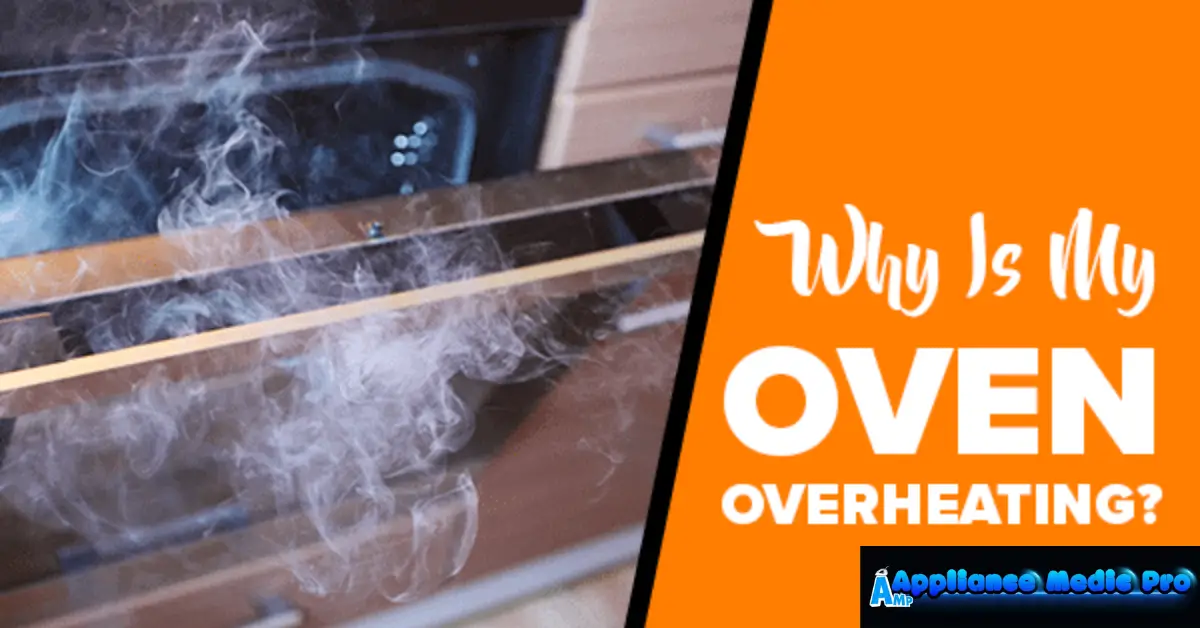
When an appliance overheats, it’s a serious warning that something is wrong internally or with the power supply. At Appliance Medic Pro, overheating appliances are treated as urgent safety concerns because heat-related failures are a leading cause of appliance fires and electrical damage.
Understanding the causes helps prevent costly repairs and dangerous situations.
Common Appliance Overheating Causes
1. Poor Ventilation (Most Common)
Appliances need airflow to release heat.
Overheating occurs when:
-
Vents are blocked
-
Units are pushed too close to the walls
-
Dust buildup restricts airflow
This is extremely common with dryers, refrigerators, and microwaves.
2. Dirty or Clogged Components
From real technician experience:
-
Dryer lint traps clog
-
Refrigerator condenser coils get dusty
-
Fans become restricted
Restricted airflow traps heat inside the appliance.
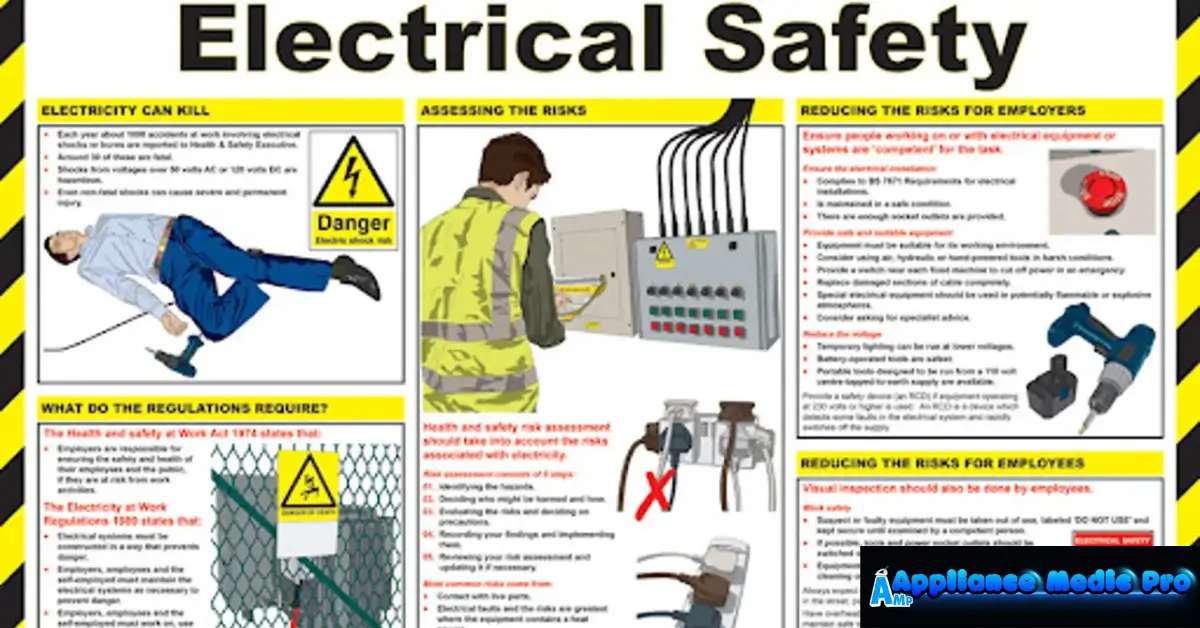
3. Electrical Issues
Electrical problems create excess heat:
-
Loose wiring
-
Overloaded circuits
-
Faulty outlets
-
Underrated extension cords
These issues often cause overheating at plugs and terminals.
4. Failing Motors or Fans
When motors wear out:
-
They draw more power
-
Friction increases
-
Heat builds rapidly
Common in washers, dryers, refrigerators, and HVAC units.
5. Defective Thermostats or Sensors
If temperature sensors fail:
-
The appliance can’t regulate heat
-
Heating elements stay on too long
-
Internal temperatures rise dangerously
6. Overuse or Continuous Operation
Running appliances non-stop:
-
Reduces cooldown time
-
Overheats internal components
-
Shortens appliance lifespan
This is common during heat waves or heavy usage periods.
7. Aging Appliances
As appliances age:
-
Efficiency drops
-
Components degrade
-
Heat control becomes less accurate
Older appliances are more prone to overheating failures.
Warning Signs of an Overheating Appliance
🚨 Burning or hot plastic smell
🚨 Appliance exterior unusually hot
🚨 Tripping breakers
🚨 Unexpected shutdowns
🚨 Buzzing or clicking sounds
If you notice any of these, stop using the appliance immediately.
What You Should Do Immediately
✅ Turn off and unplug the appliance
✅ Allow it to cool completely
✅ Check for blocked vents
✅ Inspect cords and outlets
❌ Don’t ignore heat or burning smells
❌ Don’t keep resetting breakers
❌ Don’t operate overheated appliances
When to Call Appliance Medic Pro
Call a professional if:
-
Overheating happens repeatedly
-
Appliance shuts off for safety
-
You see scorch marks or melting
-
Electrical smells persist
These indicate deeper mechanical or electrical issues.
Typical Repair Costs (Guidance)
Approximate ranges:
-
Vent cleaning: $100–$250
-
Fan or motor replacement: $200–$600
-
Electrical repair: $150–$500
-
Appliance replacement: Varies
Early repairs prevent catastrophic failures.
How to Prevent Appliance Overheating
From technician experience:
-
Clean vents and filters regularly
-
Allow proper clearance around appliances
-
Avoid extension cords
-
Schedule routine maintenance
-
Replace aging units before failure
Frequently Asked Questions
Q: Is it safe to keep using an appliance that overheats occasionally?
A: No. Occasional overheating often becomes permanent and dangerous.
Q: Can overheating damage other parts of the appliance?
A: Yes. Heat accelerates wear and causes cascading failures.
Q: Should I unplug an appliance that feels hot?
A: Yes — especially if heat is excessive or accompanied by odors.