Appliance Motor Failure Signs: When it starts to fail, appliances may still run — but performance drops, noise increases, and damage accelerates. At Appliance Medic Pro, we often see total motor failure happen weeks after early warning signs were ignored.
Knowing these signs can save you from costly replacements.
Common Appliance Motor Failure Signs
1. Unusual Noises (Most Common)
Failing motors often make:
-
Grinding
-
Screeching
-
Loud humming
-
Clicking or buzzing
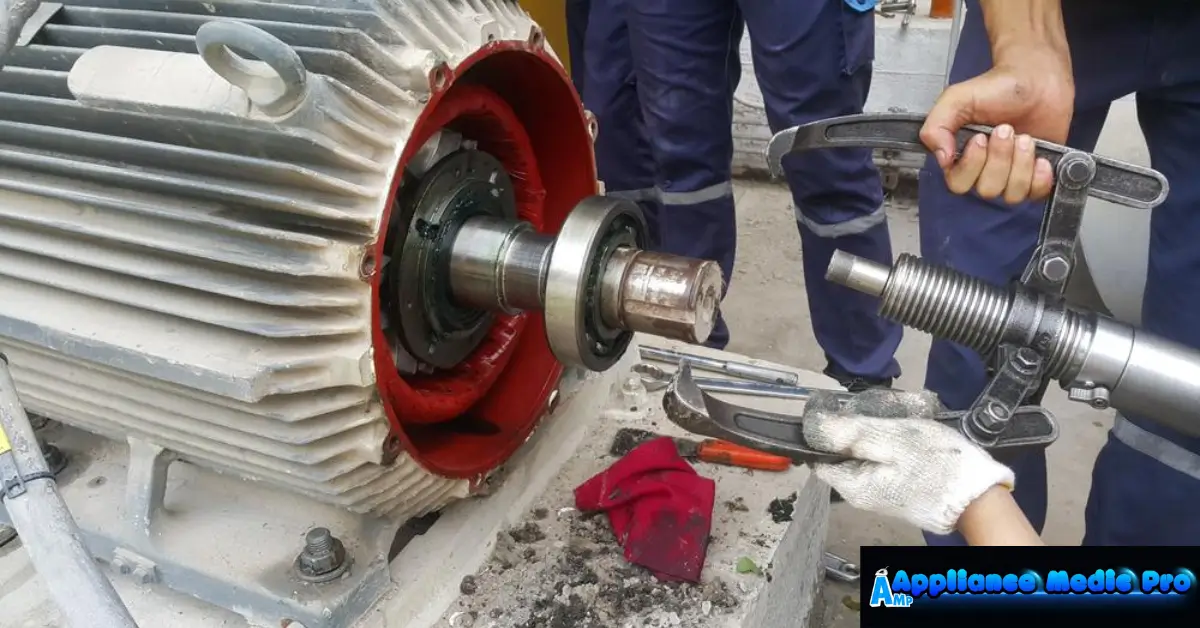
These sounds usually indicate worn bearings or electrical issues.
2. Appliance Starts but Stops Suddenly
If an appliance:
-
Starts then shuts off
-
Stops mid-cycle
-
Needs multiple restarts
The motor may be overheating or losing power.
3. Burning Smell or Electrical Odor
This is a serious warning sign.
From technician experience:
-
Overheated motor windings emit a sharp smell
-
Insulation breakdown can occur
-
Fire risk increases rapidly
Stop using the appliance immediately if you smell burning.
4. Reduced Performance or Weak Operation
Examples include:
-
Washer not spinning fully
-
The dryer drum is turning slowly
-
Fan blowing weak air
-
Blender lacking power
Motors lose torque before they completely fail.
5. Excessive Vibration or Shaking
Failing motor components can cause:
-
Unbalanced rotation
-
Internal looseness
-
Cabinet vibration
This often leads to secondary damage.
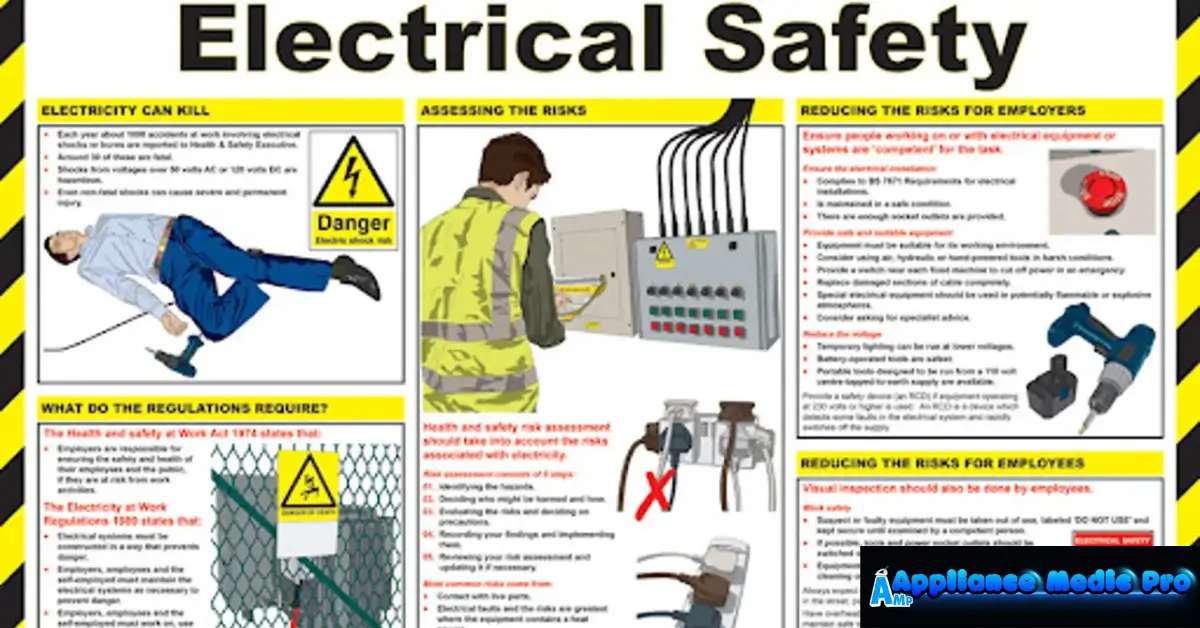
6. Frequent Circuit Breaker Trips
A failing motor may:
-
Draw excess current
-
Short internally
-
Cause breakers or fuses to trip
This is common in refrigerators, dryers, and AC units.
7. Appliance Feels Hot to the Touch
Overheating motors:
-
Transfer heat to appliance panels
-
Trigger thermal shutoffs
-
Shorten motor lifespan
Appliances Most Affected by Motor Failure
We commonly see motor issues in:
-
Washing machines
-
Dryers
-
Refrigerators
-
Dishwashers
-
Garbage disposals
-
HVAC blowers
-
Microwaves (fan motors)
What Causes Appliance Motor Failure?
-
Normal wear and tear
-
Lack of maintenance
-
Overloading the appliance
-
Power surges
-
Moisture exposure
-
Poor ventilation
What You Should Do If You Notice These Signs
✅ Stop using the appliance
✅ Unplug or turn off the power
✅ Avoid repeated restarts
✅ Schedule a professional inspection
❌ Don’t ignore burning smells
❌ Don’t bypass safety switches
❌ Don’t continue heavy use
Repair vs Replacement – What’s Better?
| Situation | Recommendation |
|---|---|
| Minor motor wear | Repair |
| Motor winding damage | Replace motor |
| Appliance over 10 years old | Consider replacement |
| Multiple components failing | Replace appliance |
A professional diagnosis helps avoid unnecessary costs.
Typical Repair Costs (Guidance)
Approximate ranges:
-
Motor repair: $200–$500
-
Motor replacement: $300–$900
-
Appliance replacement: Varies by type
Catching issues early keeps costs down.
How to Prevent Motor Failure
From technician experience:
-
Avoid overloading appliances
-
Clean vents and filters regularly
-
Use surge protection
-
Address unusual noises early
-
Schedule routine maintenance
Frequently Asked Questions
Q: Can a failing motor still work sometimes?
A: Yes. Motors often work intermittently before total failure.
Q: Is it safe to keep using an appliance with motor issues?
A: No. Continued use can cause electrical hazards or further damage.
Q: How long does a failing motor last?
A: It varies — from days to months, depending on severity.