Every appliance has a limited lifespan. At Appliance Medic Pro, we often see homeowners spending money on repeated repairs when the appliance is already at the end of its usable life. Knowing the signs your appliance’s lifespan is ending helps you avoid wasted repair costs and sudden breakdowns.
Average Lifespan of Common Appliances
| Appliance | Average Lifespan |
|---|---|
| Refrigerator | 10–15 years |
| Washing Machine | 8–12 years |
| Dryer | 10–13 years |
| Dishwasher | 8–10 years |
| Oven/Range | 12–15 years |
| Microwave | 7–10 years |
| Water Heater | 8–12 years |
If your appliance is near or past these ranges, warning signs become more important.
Clear Signs an Appliance Is Near the End of Its Lifespan
1. Frequent Breakdowns (Most Common)
If repairs are becoming regular:
-
New issues appear every few months
-
Different components fail one after another
-
Downtime increases
This is a strong indicator of overall wear.
2. Declining Performance
Examples we see daily:
-
The washer no longer cleans clothes well
-
The dryer takes multiple cycles
-
The fridge temperature fluctuates
-
Dishwasher leaves residue
Performance loss often means internal wear is widespread.
3. Rising Energy or Utility Bills
Aging appliances:
-
Lose efficiency
-
Run longer cycles
-
Consume more electricity or gas
Higher bills are a hidden cost of keeping old appliances.
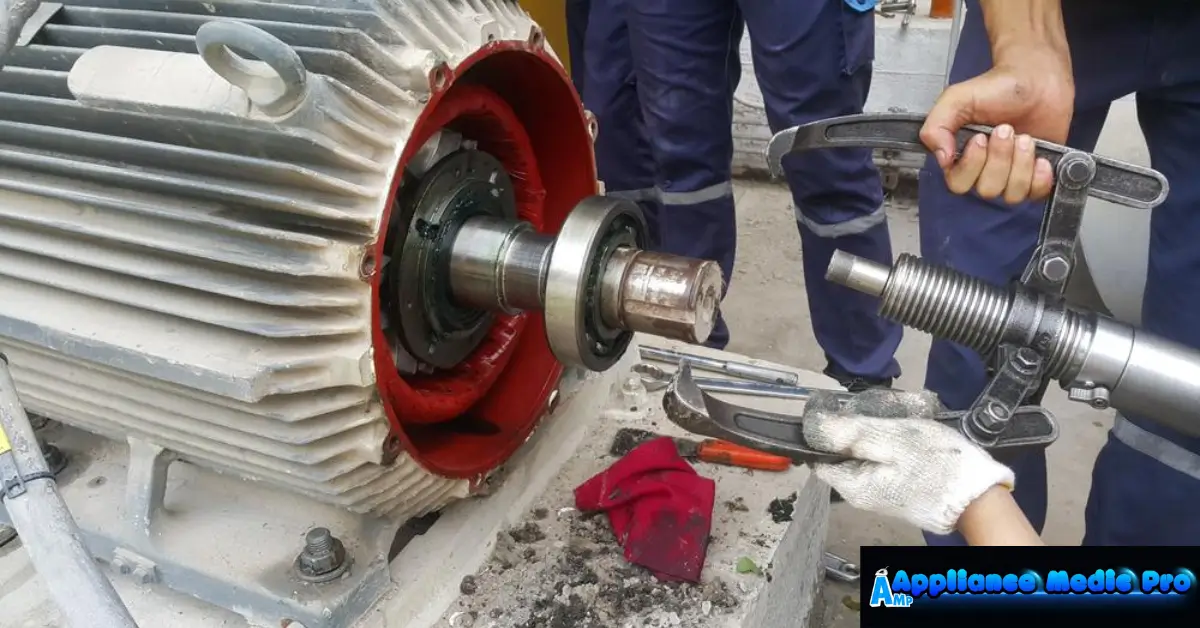
4. Loud or New Noises
Grinding, rattling, or buzzing sounds can indicate:
-
Motor wear
-
Failing bearings
-
Loose internal components
Multiple noise sources usually mean advanced wear.
5. Rust, Corrosion, or Cracks
Visible damage such as:
-
Rust on frames or panels
-
Corrosion around connections
-
Cracks in tubs or tanks
often signals irreversible deterioration.
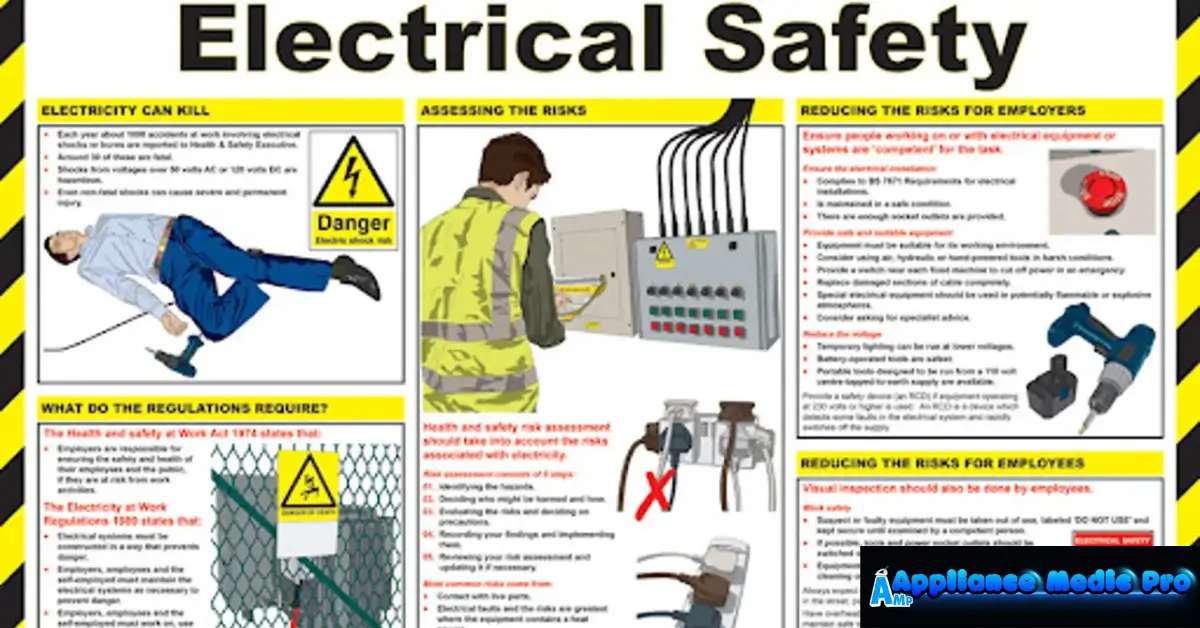
6. Safety Issues or Electrical Problems
Major red flags include:
-
Burning smells
-
Sparks
-
Tripping breakers
-
Leaks near electrical components
Safety concerns alone justify replacement.
7. Parts Becoming Hard to Find
When manufacturers stop producing parts:
-
Repairs get more expensive
-
Delays increase
-
Reliability drops
This is common for appliances over 10–12 years old.
Repair or Replace? A Simple Rule
From technician experience, use the 50% rule:
-
If the repair cost is 50% or more of the replacement cost
-
And the appliance is near its expected lifespan
👉 Replacement is usually the smarter choice.
What You Should Do When Lifespan Is Ending
✅ Get a professional diagnosis
✅ Compare repair cost vs new appliance
✅ Consider energy efficiency upgrades
✅ Plan replacement before total failure
❌ Don’t keep repairing out of habit
❌ Don’t ignore safety warnings
❌ Don’t wait for emergency breakdowns
How to Extend Appliance Lifespan (If Still Worth It)
If replacement isn’t urgent yet:
-
Perform regular maintenance
-
Clean filters and vents
-
Avoid overloading
-
Address minor issues early
Proper care can add 1–3 extra years in some cases.
Frequently Asked Questions
Q: Can an appliance work past its expected lifespan?
A: Yes, but reliability and efficiency usually decline rapidly.
Q: Is it better to repair an old appliance once more?
A: Only if the repair is minor and the appliance is still efficient.
Q: Do newer appliances last as long?
A: Many newer models are more efficient but may have shorter lifespans due to complex electronics.