Heating elements are responsible for producing heat in many household appliances. When an appliance heating element fails, the unit may run but no longer heat properly—a problem we see daily at Appliance Medic Pro.
This guide explains why heating elements fail, how to spot the signs early, and the safest repair options.
What Is a Heating Element?
A heating element is a metal component that converts electricity into heat. It’s commonly found in:
-
Dryers
-
Ovens
-
Electric stoves
-
Water heaters
-
Dishwashers
-
Coffee makers
Because they operate at high temperatures, heating elements are wear items.
Common Signs of Heating Element Failure
1. Appliance Runs but Doesn’t Heat
From real technician calls:
-
The dryer tumbles, but clothes stay cold. The oven turns on but won’t reach the desired temperature.e
-
Dishwasher runs, but water stays lukewarm
This is the most common symptom.
2. Uneven or Weak Heating
Heating elements can partially fail, causing:
-
Hot and cold spots in ovens
-
Extended drying times
-
Inconsistent water temperature
Partial failures often worsen quickly.
3. Burning Smell or Visible Damage
You may notice:
-
Burnt odor
-
Blistered or cracked element
-
Sparks during heating cycles
Stop using the appliance immediately if this occurs.
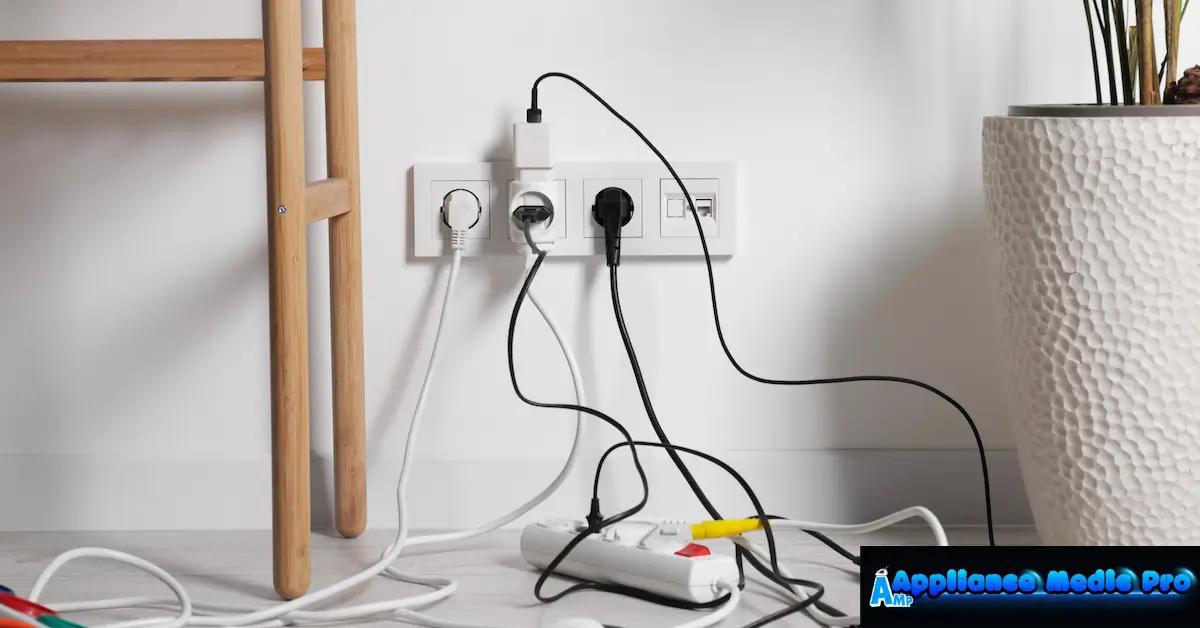
4. Tripped Breakers or Blown Fuses
Ashorterd heating element can overload circuits, causing:
-
Repeated breaker trips
-
Appliance shutting off mid-cycle
This is a safety risk.
What Causes Appliance Heating Element Failure?
Normal Wear and Tear
Heating elements degrade over time due to:
-
High temperatures
-
Metal fatigue
-
Repeated heating cycles
Electrical Issues
Power surges, poor wiring, or loose connections can shorten element lifespan.
Poor Ventilation or Airflow
In dryers, especially:
-
Clogged vents
-
Lint buildup
-
Blocked airflow
These cause elements to overheat and fail prematurely.
Hard Water and Mineral Buildup
In dishwashers and water heaters:
-
Mineral deposits insulate elements
-
Overheating occurs
-
Element eventually burns out
Is It Safe to Use an Appliance With a Failed Heating Element? Technician’s answer: No.
Risks include:
-
Electrical shorts
-
Fire hazards
-
Damage to control boards
-
Increased repair costs
Repair vs Replacement – What’s Better?
From service experience:
-
Heating elements are usually affordable
-
Replacement is often cost-effective
-
Ignoring the issue increases the total repair cost
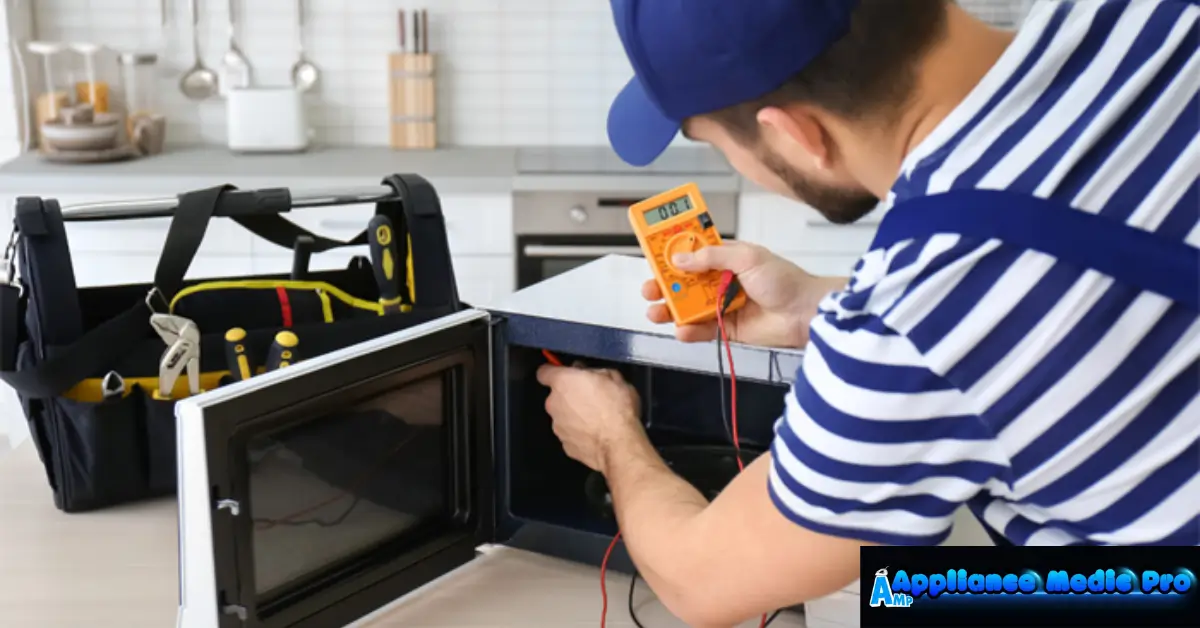
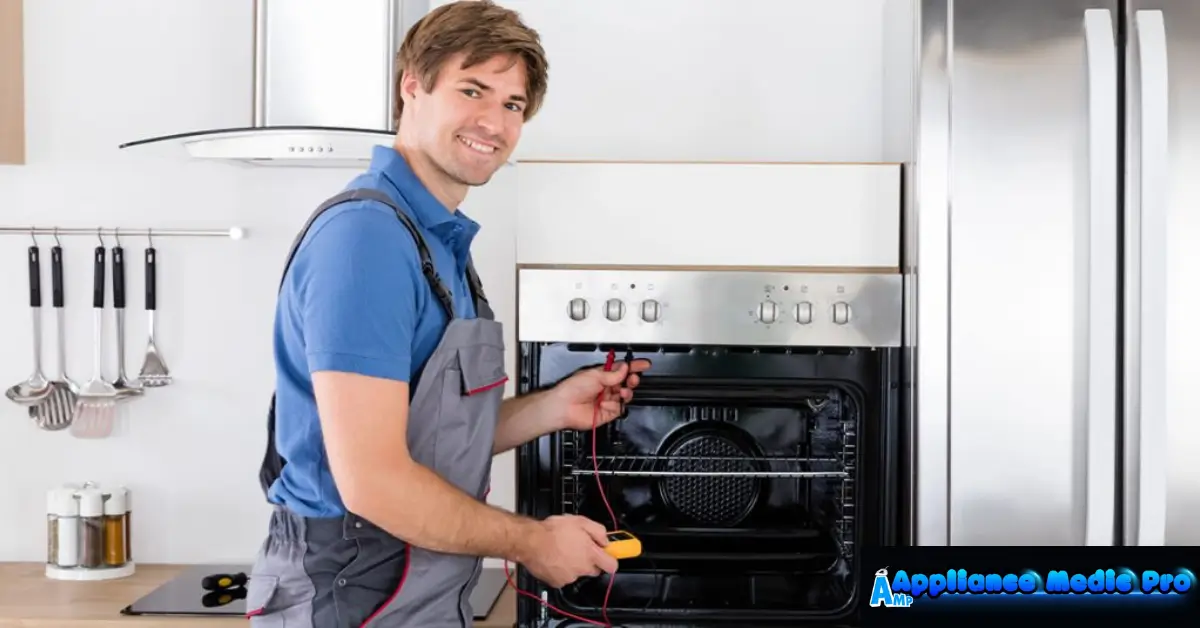
Professional replacement ensures correct installation and safety testing.
Can You Prevent Heating Element Failure?
Yes. Here’s how:
-
Clean dryer vents regularly
-
Avoid overloading appliances
-
Use proper voltage outlets
-
Perform routine maintenance
-
Address electrical issues early
Frequently Asked Questions
Q: How long do heating elements last?
A: Typically 5–10 years, depending on usage and maintenance.
Q: Can a heating element be repaired?
A: No. Heating elements must be replaced, not repaired.
Q: Does the warranty cover heating element failure?
A: Many warranties do, as long as no DIY repairs were attempted.