Modern Appliance Safety Shutdown Causes with built-in safety systems that shut them down when a dangerous condition is detected. At Appliance Medic Pro, we see safety shutdowns triggered by overheating, electrical faults, airflow problems, or sensor failures.
A safety shutdown is a warning, not a malfunction to ignore.
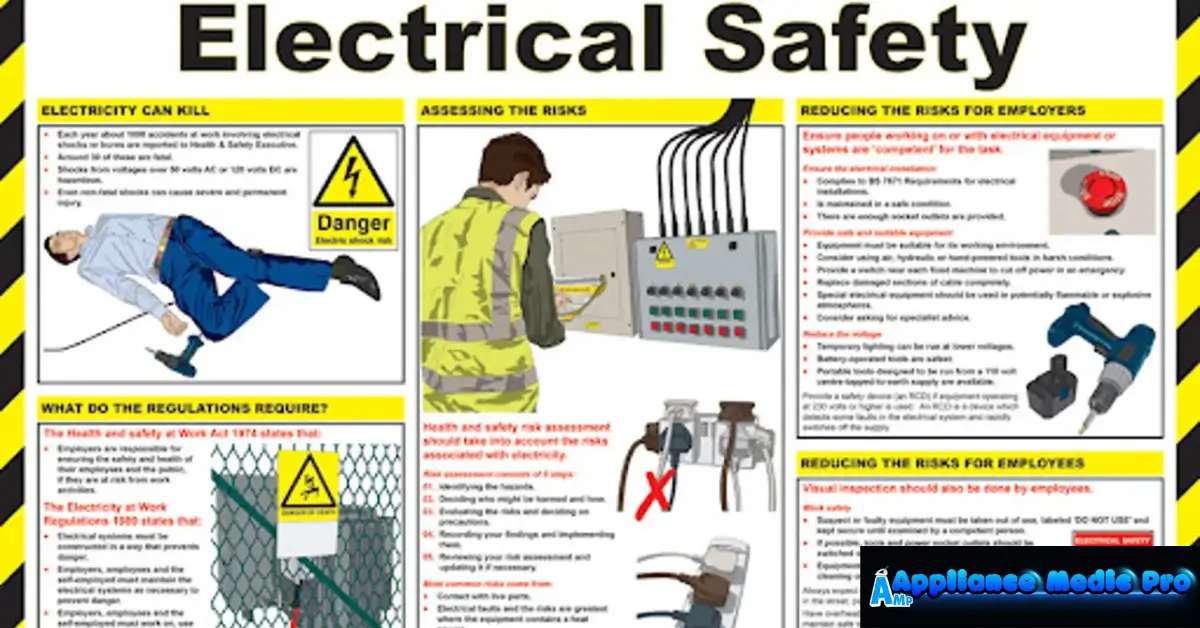
What Is a Safety Shutdown?
A safety shutdown occurs when:
-
A sensor detects unsafe conditions
-
The appliance automatically cuts power
-
Operation resumes only after cooling or reset
These systems prevent fires, electrical damage, and motor failure.
Most Common Appliance Safety Shutdown Causes
1. Overheating (Most Common)
Overheating triggers thermal protection.
Causes include:
-
Blocked vents or filters
-
Dust buildup
-
Overloaded operation
-
Poor airflow
Common in dryers, ovens, microwaves, and refrigerators.
2. Faulty or Triggered Thermal Fuse
Thermal fuses:
-
Cut power when temperatures exceed limits
-
Do not reset once blown
If a fuse trips, the appliance will not restart until replaced.
3. Electrical Problems or Power Surges
Electrical issues may include:
-
Voltage spikes
-
Loose wiring
-
Failing capacitors
-
Shorted components
Safety circuits detect irregular current and shut down.
4. Sensor or Control Board Malfunction
Defective sensors can falsely report danger:
-
Temperature sensors
-
Moisture sensors
-
Door or lid switches
This causes unexpected shutdowns even when the appliance seems normal.
5. Motor Overload or Failure
Motors shut down when:
-
Bearings are worn
-
Windings overheat
-
Mechanical resistance increases
Motors often restart after cooling — until they fail.
6. Blocked Drain or Water Issue (Water-Using Appliances)
Appliances like:
-
Dishwashers
-
Washing machines
-
Ice makers
may shut down if water flow or drainage is restricted.
7. Gas Supply or Flame Detection Issues (Gas Appliances)
Gas appliances shut down when:
-
Flame sensors fail
-
Gas pressure is low
-
Ignition fails repeatedly
This prevents gas buildup and explosions.
What You Should Do When an Appliance Shuts Down
✅ Turn the appliance off
✅ Unplug or cut power
✅ Let it cool completely
✅ Check vents, filters, and airflow
✅ Review error codes (if present)
❌ Don’t restart repeatedly
❌ Don’t bypass safety devices
❌ Don’t ignore frequent shutdowns
When to Call Appliance Medic Pro
Call a professional if:
-
Shutdowns happen repeatedly
-
Appliance won’t restart
-
You smell burning
-
Breaker trips
-
Error codes appear
Frequent safety shutdowns indicate underlying component failure.
Typical Repair Costs (Guidance)
Approximate ranges:
-
Thermal fuse replacement: $120–$300
-
Sensor replacement: $150–$400
-
Control board repair: $250–$700
-
Motor repair: $300–$900
Early diagnosis reduces repair costs.
How to Prevent Safety Shutdowns
From technician experience:
-
Clean vents and filters monthly
-
Avoid overloading appliances
-
Address unusual noises early
-
Schedule routine maintenance
-
Use proper electrical protection
Frequently Asked Questions
Q: Is a safety shutdown a bad sign?
A: It’s a warning that something is wrong, not a failure by itself.
Q: Can I reset a safety shutdown?
A: Some reset after cooling, others require part replacement.
Q: Is it safe to keep using an appliance that shuts down?
A: No. Repeated shutdowns increase damage and safety risks.