Choosing the correct salt for your water softener is more important than most homeowners realize. Using the wrong type of salt can reduce efficiency, cause buildup in the brine tank, and even damage the system over time.
From real appliance service experience, many water softener problems we see are caused not by the machine itself, but by the wrong salt choice.
This guide explains which salt to use, which to avoid, and how to choose the best option for your home.
Why Water Softeners Need Salt
Water softeners remove hard minerals like calcium and magnesium using a process called ion exchange. Salt is used to regenerate the resin beads that capture these minerals.
Without proper salt:
-
Hard water returns
-
Soap stops lathering properly
-
Scale builds up in pipes and appliances
-
The softener works harder and wears out faster
Best Types of Salt for Water Softeners
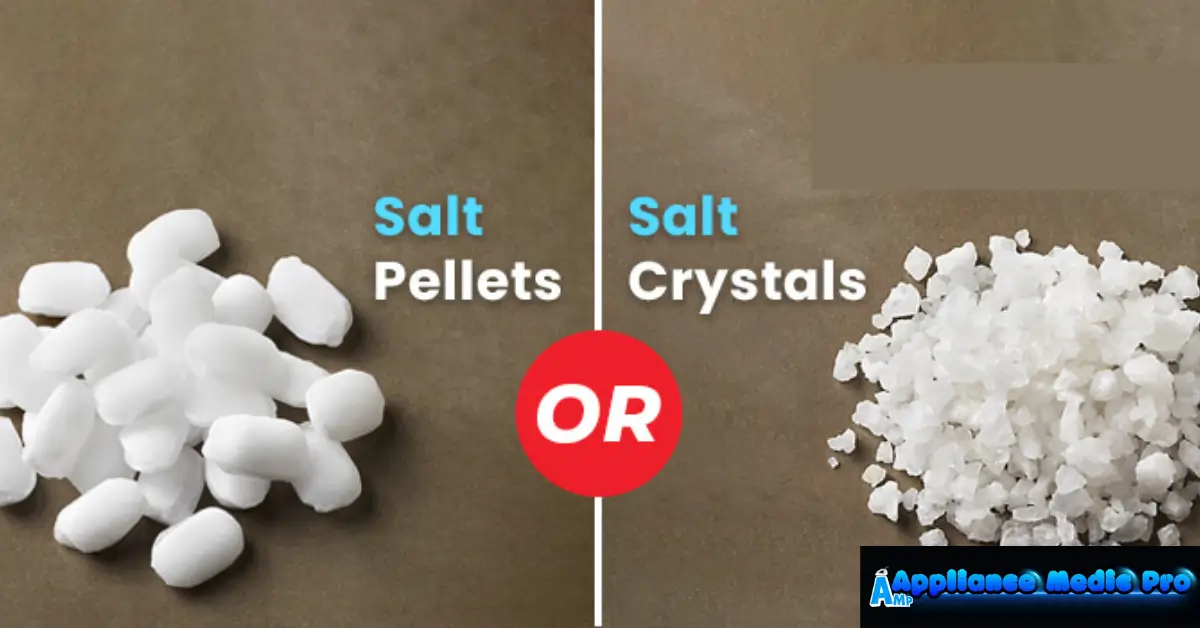
1️⃣ Evaporated Salt Pellets (Best Overall Choice)
Evaporated salt pellets are the most refined and pure type of water softener salt.
Why technicians recommend it:
-
Very high purity (99%+ sodium chloride)
-
Dissolves cleanly
-
Leaves minimal residue
-
Reduces maintenance issues
Best for:
-
Most residential water softeners
-
Homes with high water hardness
-
People who want fewer cleanings
👉 This is the top recommendation for most households.
2️⃣ Solar Salt (Crystals or Pellets)
Solar salt is made by evaporating seawater naturally.
Pros:
-
More affordable
-
Works well in many systems
-
Widely available
Cons (from real experience):
-
Contains some impurities
-
May leave sediment in the brine tank
-
Requires occasional tank cleaning
Best for:
-
Budget-conscious homeowners
-
Areas with moderate water hardness
3️⃣ Salt Blocks (Bricks)
Salt blocks are compressed bricks commonly used in older or commercial softeners.
Important notes:
-
Not compatible with all residential units
-
Must match your softener design
-
Can bridge or stick if used incorrectly
⚠️ Always check your softener manual before using salt blocks.
Salt Types You Should NOT Use ❌
🚫 Table Salt (Iodized or Non-Iodized)
-
Contains additives and anti-caking agents
-
Can clog the brine tank
-
Reduces softener efficiency
🚫 Rock Salt
-
High impurity content
-
Leaves dirt and sludge
-
Causes salt bridging and blockages
From service calls, rock salt is one of the most common causes of brine tank problems.
Quick Comparison Table
| Salt Type | Purity | Maintenance | Cost | Recommendation |
|---|---|---|---|---|
| Evaporated Salt Pellets | ⭐⭐⭐⭐ | Low | $$ | ✅ Best choice |
| Solar Salt | ⭐⭐⭐ | Medium | $ | ✅ Good option |
| Salt Blocks | ⭐⭐ | Medium | $ | ⚠️ Model-dependent |
| Rock Salt | ⭐ | High | $ | ❌ Avoid |
| Table Salt | ⭐ | High | $ | ❌ Avoid |
How to Choose the Right Salt for Your Water Softener
Ask yourself:
-
Do I want low maintenance? → Evaporated salt
-
Do I want lower cost? → Solar salt
-
Does my system require blocks? → Salt blocks only
Also consider:
-
Local water hardness
-
Manufacturer recommendations
-
Frequency of brine tank cleaning
How Often Should You Add Salt?
From real household usage:
-
Check salt level once a month
-
Keep salt at least half-full
-
Refill before the salt drops below the water level
A typical family uses 1–2 bags per month, depending on water hardness.
Signs You’re Using the Wrong Salt
-
Hard water spots are returning
-
Soap not lathering
-
Salt crusts or bridges forming
-
Dirty water in the brine tank
-
Frequent regeneration cycles
If you notice these, switch to higher-purity salt.
Frequently Asked Questions
Q: Can I mix different types of salt?
A: Yes, but it’s best to stick to one type for consistent performance.
Q: Is potassium chloride better than salt?
A: It’s an alternative, but more expensive and less effective in very hard water.
Q: Do all water softeners use the same salt?
A: Most do, but always check your manufacturer’s manual.