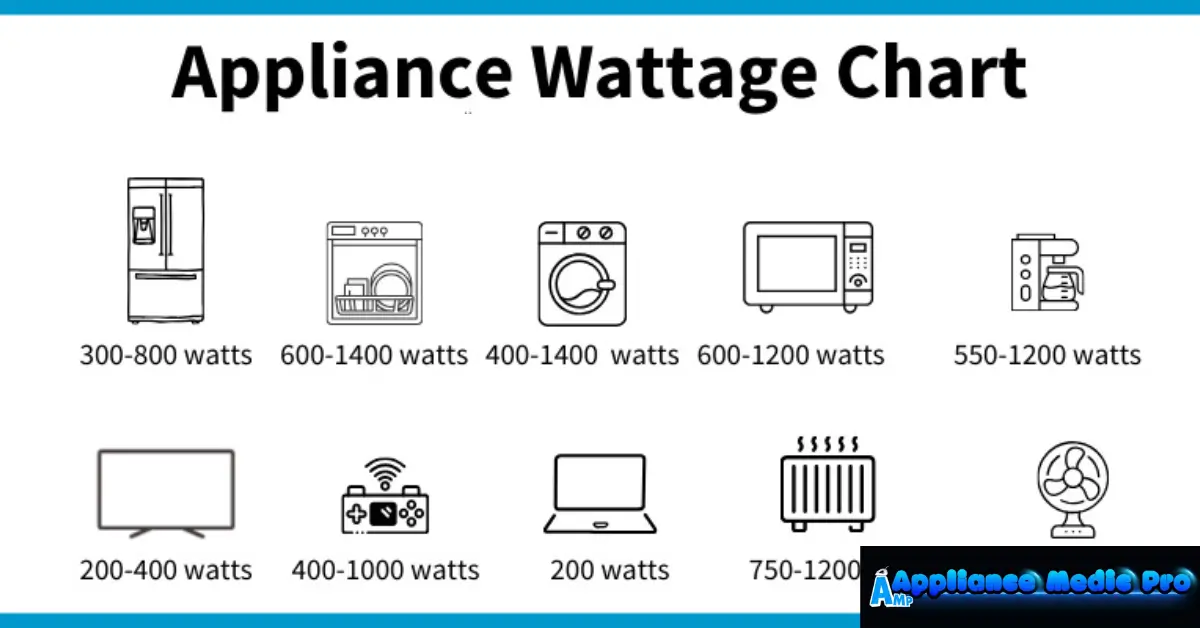
If your Smart Appliance Power Usage Is High, it can lead to spiking electricity bills and reduced appliance lifespan. At Appliance Medic Pro, we often find that excessive power draw is caused by settings, connectivity features, or hidden mechanical issues—not just the “smart” technology itself.
How Smart Appliances Use Electricity
Smart appliances consume power for:
-
Core operation (motors, heaters, compressors)
-
Wi-Fi connectivity and sensors
-
Standby mode for remote access
-
Software updates and monitoring
When something isn’t working correctly, power usage increases.
Common Reasons Smart Appliance Power Usage Is High
1. Always-On Connectivity (Most Common)
Smart features keep appliances:
-
Connected to Wi-Fi 24/7
-
Running background processes
-
Checking cloud servers regularly
A poor Wi-Fi signal can force devices to use more power trying to reconnect.
2. Inefficient or Incorrect Settings
Common examples:
-
Eco mode turned off
-
High-temperature wash cycles selected
-
Extra-dry or turbo modes enabled
-
Always-on display or lights active
These settings significantly increase energy use.
3. Firmware or Software Issues
Outdated or buggy firmware can:
-
Prevent sleep mode
-
Cause repeated system restarts
-
Keep internal components active
We see this after missed updates.
4. Mechanical Problems Masked by Smart Features
High power use may indicate:
-
The dryer heating element is running too long
-
Refrigerator compressor cycling excessively
-
The washer motor is overworking due to an imbalance
-
The dishwasher heater is staying on too long
Smart apps often show increased usage before failure occurs.
5. Appliance Aging or Wear
As appliances age:
-
Motors lose efficiency
-
Seals weaken
-
Sensors misread conditions
The system compensates by running longer, drawing more power.
6. Standby Power (Phantom Load)
Even when “off,” smart appliances:
-
Remain in standby
-
Consume small but constant power
Multiple appliances add up quickly.
How to Reduce Smart Appliance Power Usage
✅ Enable Eco or Energy-Saver modes
✅ Update appliance firmware regularly
✅ Improve Wi-Fi signal strength
✅ Disable unnecessary notifications and displays
✅ Use smart scheduling for off-peak hours
✅ Clean filters, vents, and coils
✅ Run appliances with full loads only
❌ Don’t ignore energy-use alerts
❌ Don’t assume high usage is normal
❌ Don’t delay maintenance
When to Call Appliance Medic Pro
Contact a professional if:
-
Power usage spikes suddenly
-
The appliance runs much longer than normal
-
Heat output seems excessive
-
Bills increase without lifestyle changes
-
Smart app reports abnormal energy patterns
High power draw is often an early warning sign of failure.
Typical Repair or Service Costs (Guidance)
Approximate ranges:
-
Energy diagnostics: $120–$200
-
Sensor or firmware fix: $150–$300
-
Motor or heating component repair: $250–$800
Early service usually prevents full component replacement.
How to Prevent High Power Usage Long-Term
From technician experience:
-
Schedule annual maintenance
-
Keep smart features updated
-
Monitor usage trends in the app
-
Address performance changes early
-
Replace inefficient appliances when needed
Frequently Asked Questions
Q: Do smart appliances use more electricity than regular ones?
A: Not usually. When working correctly, they’re often more efficient.
Q: Why did my energy bill increase after installing a smart appliance?
A: Settings, continuous connectivity, or hidden mechanical issues are common causes.
Q: Is standby power wasteful?
A: Individually small, but significant when multiple smart devices are used.