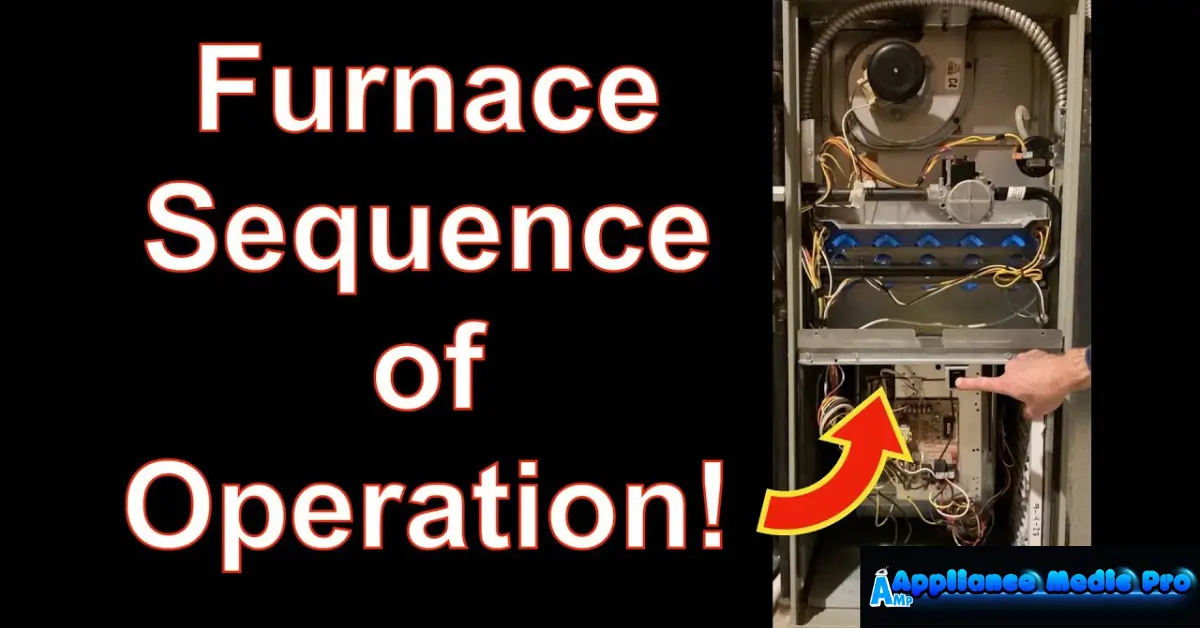
Understanding the furnace order of operations helps homeowners and technicians diagnose heating problems quickly. Every modern gas furnace follows a specific startup sequence designed to ensure safe and efficient heating.
If one step in the sequence fails, the furnace may shut down or fail to produce heat. Knowing how the process works can make troubleshooting much easier.
What Is the Furnace Order of Operations?
The furnace order of operations refers to the sequence of steps a furnace follows when it receives a signal to start heating.
Modern furnaces use electronic control boards that manage this process automatically. Each step must occur successfully before the system moves to the next stage.
Step-by-Step Furnace Order of Operations
1. Thermostat Calls for Heat
The process begins when the thermostat detects that the room temperature is lower than the set temperature.
When this happens, the thermostat sends a signal to the furnace control board requesting heat.
2. Inducer Motor Starts
The furnace control board activates the inducer motor, which clears leftover combustion gases from the heat exchanger.
This motor ensures safe airflow through the system before ignition occurs.
3. Pressure Switch Activation
Once the inducer motor is running, the pressure switch checks that proper airflow is present.
If airflow is not detected, the furnace shuts down to prevent unsafe operation.
4. Igniter Turns On
If the pressure switch confirms proper airflow, the furnace activates the ignition system.
There are two common types of igniters:
-
Hot surface igniter
-
Spark igniter
The igniter heats up and prepares to ignite the gas.
5. Gas Valve Opens
After the igniter reaches the correct temperature, the control board opens the gas valve.
Gas flows into the burners and ignites immediately.
6. Flame Sensor Confirms Ignition
The flame sensor detects whether the burners have successfully ignited.
If no flame is detected, the furnace shuts off the gas supply to prevent dangerous gas buildup.
7. Blower Motor Starts
Once the flame is stable, the furnace activates the blower motor.
The blower pushes warm air through the ductwork and distributes heat throughout the home.
8. Heating Cycle Continues
The furnace continues heating until the thermostat detects that the desired temperature has been reached.
9. Furnace Shuts Down
When the thermostat temperature is satisfied:
-
The gas valve closes
-
Burners shut off
-
The blower continues running briefly to remove the remaining heat
After this, the system returns to standby mode.
Common Furnace Operation Problems
If any step in the sequence fails, the furnace may not work properly.
Common problems include:
-
Dirty flame sensor
-
Faulty igniter
-
Broken pressure switch
-
Blocked exhaust vent
-
Malfunctioning thermostat
These issues can interrupt the normal furnace startup sequence.
Signs Your Furnace Has an Operational Problem
You may notice these warning signs:
-
The furnace starts, then shuts off quickly
-
No heat from vents
-
Clicking sounds without ignition
-
Blower running,g but no warm air
-
Furnace repeatedly restarting
These symptoms often indicate a problem in the furnace operation sequence.
Maintenance Tips for Reliable Furnace Operation
Proper maintenance can prevent many furnace issues.
✔ Replace air filters regularly
✔ Inspect vents and exhaust pipes
✔ Clean the flame sensor annually
✔ Schedule yearly furnace inspections
✔ Keep the furnace area clean and clear
Routine maintenance helps ensure the furnace operates safely and efficiently.
Frequently Asked Questions
Why is understanding the furnace order of operations important?
It helps diagnose heating system problems and identify which component may be failing.
What is the most common furnace failure point?
Igniters and flame sensors are among the most common components that fail.
How long should a furnace startup process take?
Most furnaces complete the startup sequence within 30–60 seconds.