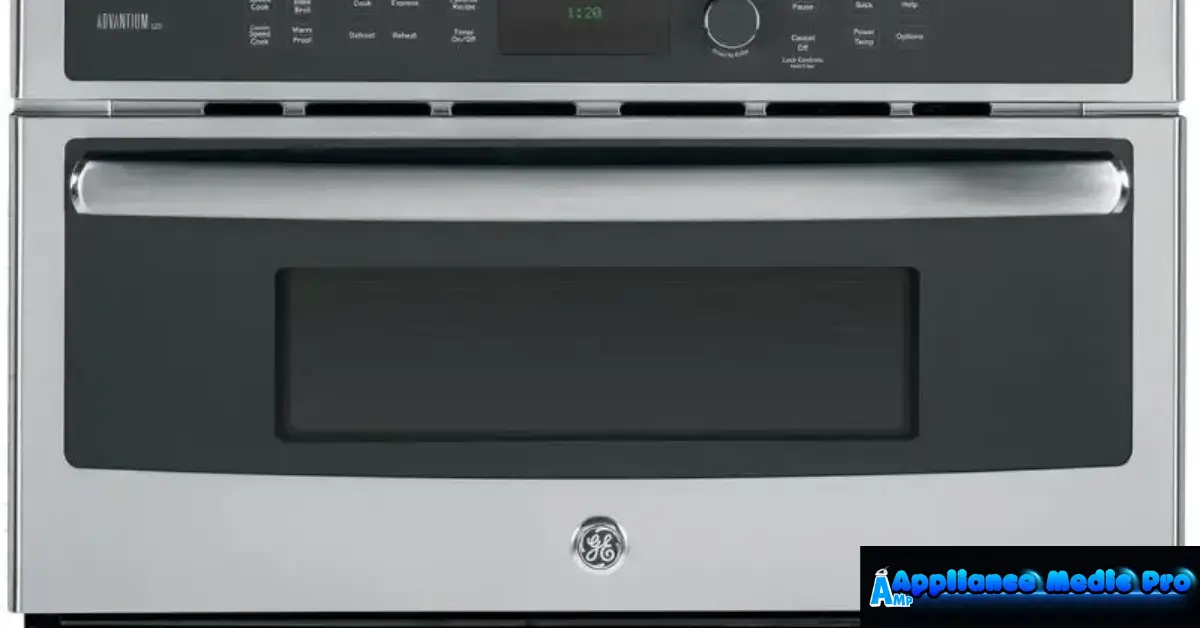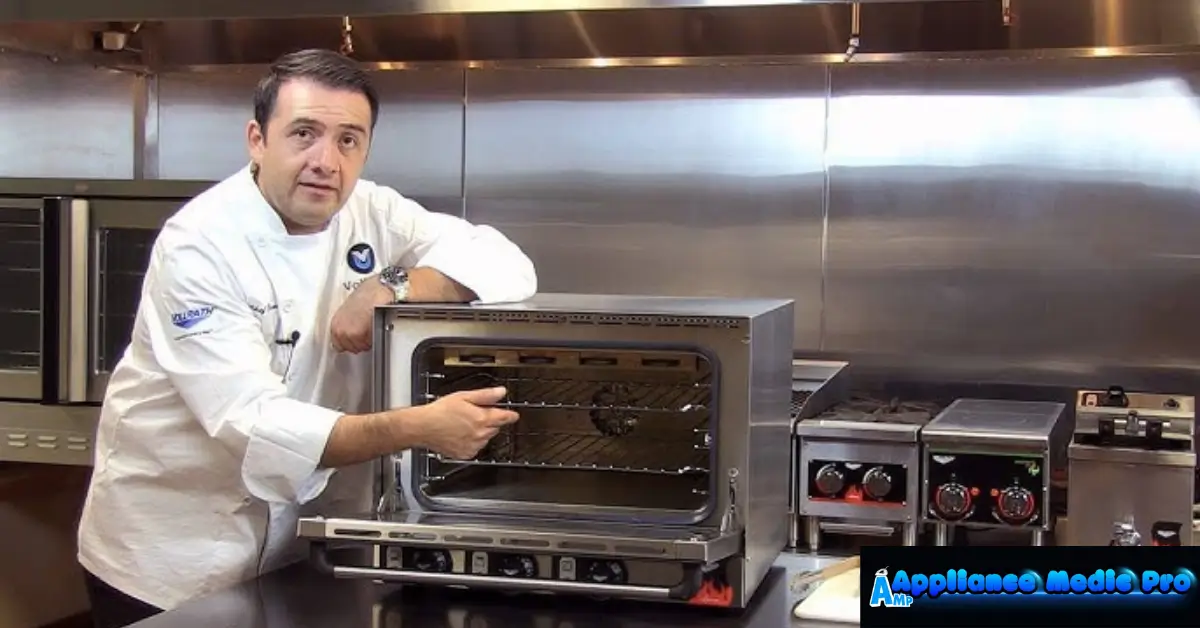
Convection ovens have become a popular choice in modern kitchens because they cook food faster and more evenly than traditional ovens. From real appliance repair experience, many homeowners upgrade to convection ovens for better performance and efficiency.
Understanding how convection ovens work can help you get the best results and avoid common mistakes.
What Is a Convection Oven?
A convection oven uses a fan and exhaust system to circulate hot air evenly around food.
This allows for:
-
Faster cooking times
-
Even heat distribution
-
Better browning and crisping
Unlike conventional ovens, which rely on still air, convection ovens actively move heat throughout the cooking space.
How Does a Convection Oven Work?
A convection oven works in three simple steps:
-
The heating element produces heat
-
A built-in fan circulates hot air
-
Heat is evenly distributed around the food
This continuous airflow eliminates hot and cold spots, which are common in standard ovens.
Benefits of Convection Ovens
🔥 1. Faster Cooking
Convection ovens can cook food up to 20–25% faster than traditional ovens.
🍗 2. Even Cooking Results
Hot air circulation ensures food cooks evenly on all sides.
💡 3. Energy Efficiency
Shorter cooking times mean less energy consumption.
🍪 4. Better Baking Performance
Perfect for:
-
Cookies
-
Cakes
-
Pastries
🥩 5. Crispier and Better Browning
Ideal for roasting meats and vegetables with a crispy texture.
Disadvantages of Convection Ovens
-
Can dry out food if not monitored
-
Requires adjusting temperature and time
-
Not all recipes are designed for convection cooking
How to Use a Convection Oven Properly
For best results:
✔ Reduce temperature by 15–20°C (or 25°F)
✔ Avoid overcrowding the oven
✔ Use low-sided baking trays
✔ Check food earlier than usual
When Should You Use a Convection Oven?
Convection ovens are best for:
-
Roasting meats and vegetables
-
Baking multiple trays at once
-
Cooking foods that need a crisp texture
Common Convection Oven Problems
From technician experience, common issues include:
-
Fan not working
-
Uneven heating
-
The oven is not reaching the temperature
-
Loud noise from the fan
If the fan fails, the oven loses its main advantage.
Maintenance Tips
To keep your convection oven working properly:
✔ Clean the interior regularly
✔ Avoid blocking the fan
✔ Check heating elements
✔ Inspect door seals
Regular maintenance helps extend the oven’s lifespan.
Frequently Asked Questions
What is the difference between convection and regular ovens?
Convection ovens use a fan to circulate heat, while regular ovens rely on still air.
Do you need to adjust recipes for convection ovens?
Yes, reduce the temperature and cooking time slightly.
Are convection ovens better?
They are more efficient and provide more even cooking.