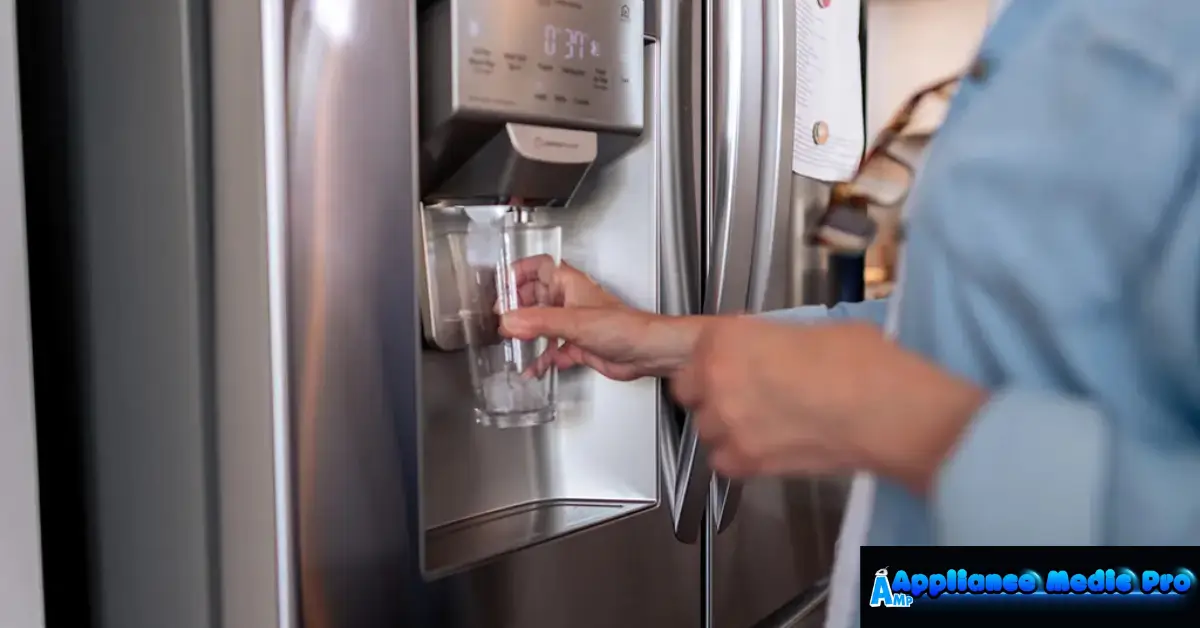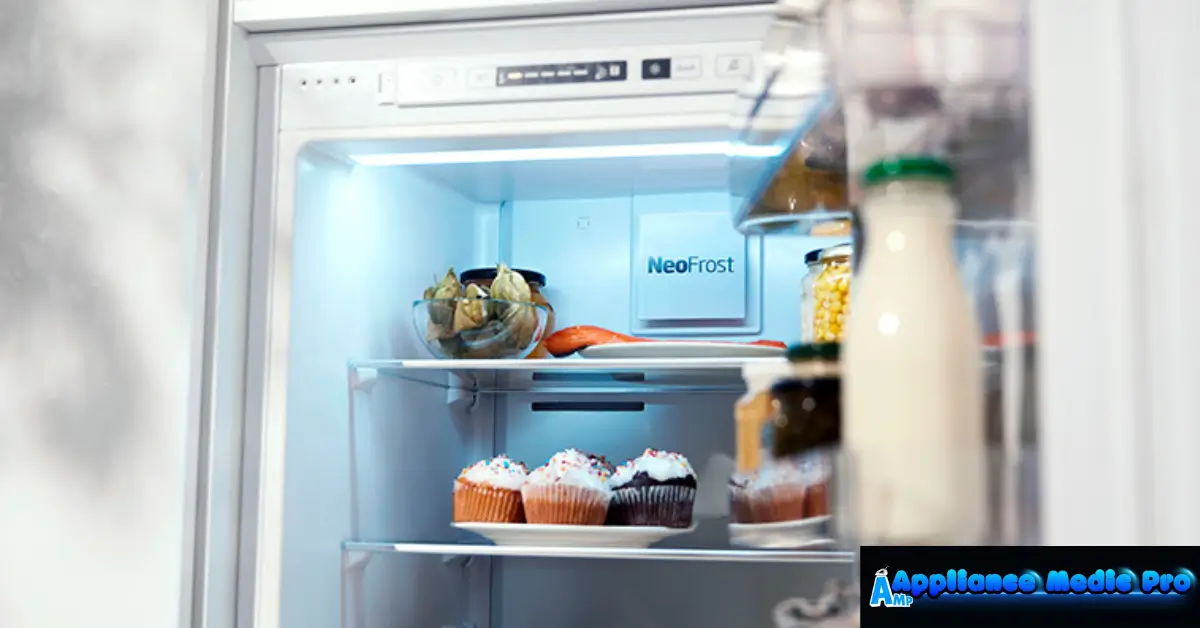
Auto defrost is a feature found in modern refrigerators and freezers that prevents ice buildup inside the appliance. From real appliance repair experience, frost buildup is one of the most common causes of poor cooling, airflow blockage, and system failure.
Auto defrost systems eliminate this issue automatically, improving performance and reducing maintenance.
What Is Auto Defrost?
Auto defrost (also called frost-free technology) is a system that periodically melts frost inside a freezer or refrigerator.
Instead of manually defrosting, the appliance:
-
Detects frost buildup
-
Activates a heating element
-
Melts the ice into water
-
Drains the water out of the unit
This cycle happens automatically, usually every 6 to 12 hours, depending on the model.
How Auto Defrost Works
An auto defrost system includes three main components:
1. Defrost Heater
-
Heats up to melt frost from the evaporator coils
-
Activates during the defrost cycle
2. Defrost Thermostat
-
Monitors temperature
-
Turns the heater off when frost is fully melted
3. Defrost Timer or Control Board
-
Controls when the defrost cycle starts
-
Usually runs multiple times per day
Benefits of Auto Defrost
Auto defrost systems provide several advantages:
✔ No manual defrosting required
✔ Prevents ice buildup
✔ Maintains consistent cooling
✔ Improves airflow inside the appliance
✔ Reduces energy waste caused by frost
From technician experience, frost-free systems also help extend appliance lifespan.
Manual Defrost vs Auto Defrost
| Feature | Manual Defrost | Auto Defrost |
|---|---|---|
| Maintenance | High | Low |
| Ice buildup | Common | Minimal |
| Energy efficiency | Slightly higher | Slightly lower |
| Convenience | Low | High |
Auto defrost is more convenient, while manual defrost models may use slightly less energy.
Common Auto Defrost Problems
Even with automatic systems, issues can still occur.
1. Freezer Not Defrosting
If frost builds up heavily, the defrost system may have failed.
Possible causes:
-
Faulty defrost heater
-
Broken thermostat
-
Defective timer or control board
2. Water Leaking Inside or Outside
During defrost cycles, melted water should drain properly.
If not, the drain line may be clogged
-
Water may leak onto the floor
3. Fridge Not Cooling Properly
Frost buildup can block airflow if the defrost system fails.
Signs include:
-
Warm fridge section
-
Ice buildup in the freezer
-
Fan struggling to circulate air
4. Strange Noises During Defrost Cycle
You may hear:
-
Hissing (normal when ice melts)
-
Dripping sounds
However, loud or unusual noises may indicate a problem.
What You Can Check Yourself
Before calling a technician:
✅ Look for excessive frost buildup
✅ Check if vents are blocked
✅ Inspect the drain hole for clogs
✅ Listen for fan operation
❌ Do not attempt electrical repairs without proper knowledge.
When to Call a Professional
Call Appliance Medic Pro if:
-
Frost builds up quickly
-
The fridge is not cooling properly
-
Water leaks persist
-
Defrost cycle is not working
From experience, ignoring defrost issues can lead to compressor strain and costly repairs.
Maintenance Tips for Auto Defrost Systems
✔ Keep air vents clear
✔ Avoid overloading the freezer
✔ Clean drain line periodically
✔ Check door seals for leaks
✔ Do not leave doors open for long periods
These simple steps help maintain proper defrost function.
Frequently Asked Questions
What is the difference between frost-free and auto defrost?
They are essentially the same — both prevent frost buildup automatically.
How often does the auto defrost run?
Most systems run every 6–12 hours.
Is water inside the fridge during defrost normal?
Small amounts are normal, but pooling water indicates a problem.
Does auto defrost use more electricity?
Slightly, due to the heating cycle, but it improves overall efficiency.