Appliance connections are a critical part of installing and operating household appliances safely. From our real-world repair experience, many appliance failures and safety hazards are caused by improper connections—including loose wiring, leaking hoses, or incorrect gas hookups.
Understanding how appliance connections work can help prevent leaks, electrical issues, and costly repairs.
What Are Appliance Connections?
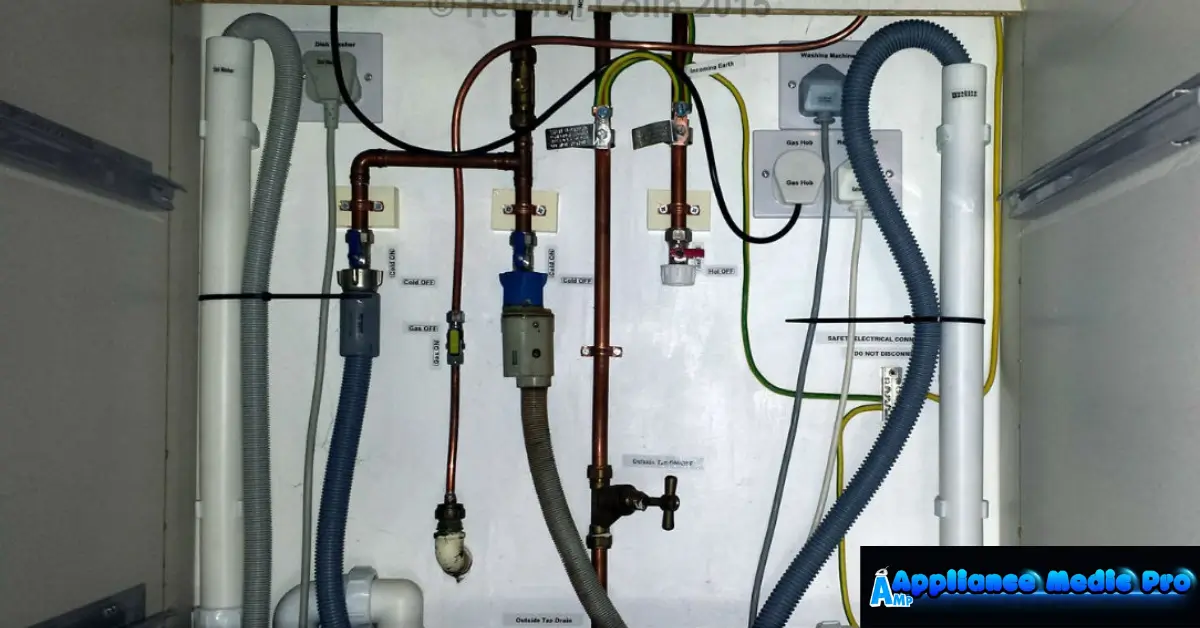
Appliance connections refer to the links between your appliance and essential utilities, such as:
-
Water supply
-
Drain systems
-
Electrical power
-
Gas lines
Each appliance relies on one or more of these connections to function properly.
Types of Appliance Connections
1. Electrical Connections
Most appliances use electrical power.
Common examples:
-
Refrigerators
-
Washing machines
-
Microwaves
-
Electric ovens and stoves
Important tips:
-
Use grounded outlets
-
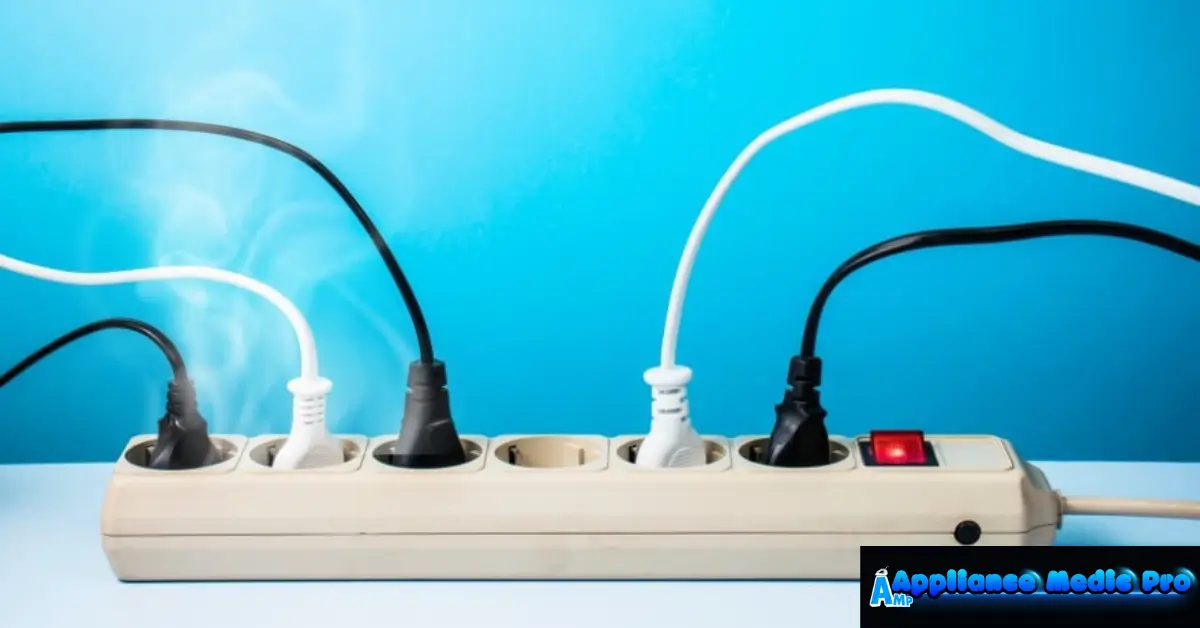
Avoid extension cords
-
Check circuit breaker compatibility
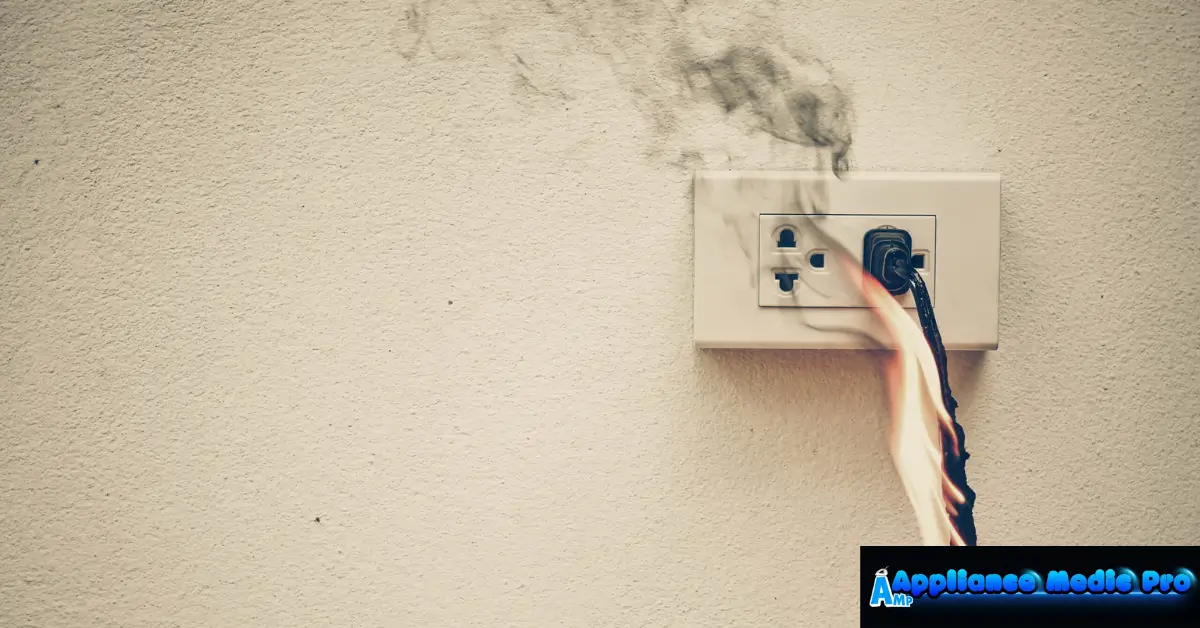
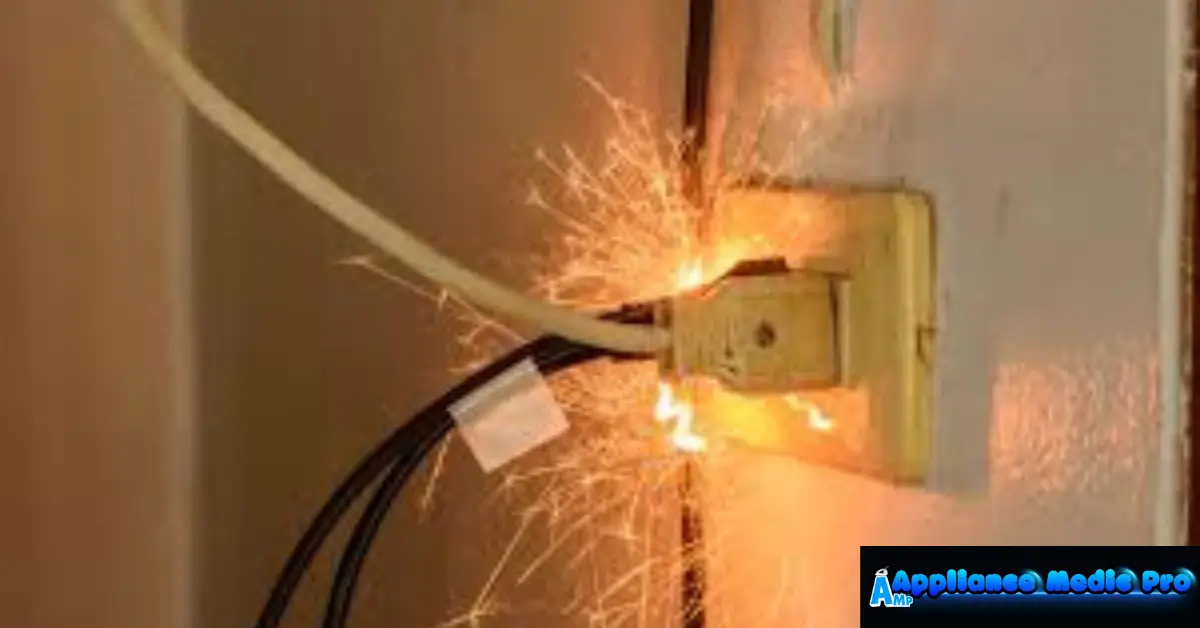
⚠️ Improper wiring can lead to short circuits or fire hazards.
2. Water Supply Connections
Appliances that use water require secure supply lines.
Examples:
-
Washing machines
-
Dishwashers
-
Refrigerators with ice makers
Key components:
-
Water inlet hose
-
Shut-off valve
-
Pressure regulation
Leaks often occur due to old or loose hoses.
3. Drain Connections
Drain systems remove wastewater safely.
Used in:
-
Dishwashers
-
Washing machines
Common issues:
-
Clogs
-
Improper slope
-
Backflow problems
A proper drain setup prevents bad odors and water damage.
4. Gas Connections
Gas appliances require careful installation.
Examples:
-
Gas stoves
-
Gas ovens
-
Gas dryers
Safety tips:
-
Use certified gas lines
-
Check for leaks regularly
-
Install shut-off valves
⚠️ Gas leaks are dangerous and should always be handled by professionals.
5. Ventilation Connections
Some appliances require proper ventilation.
Examples:
-
Dryers
-
Range hoods
Why it matters:
-
Removes heat and moisture
-
Prevents mold and overheating
-
Improves efficiency
Blocked vents are a common cause of appliance failure.
Common Appliance Connection Problems
From real service experience, we frequently see:
-
Loose electrical plugs or damaged cords
-
Leaking water hoses
-
Clogged drain lines
-
Improperly installed gas lines
-
Blocked dryer vents
These issues can lead to poor performance, higher energy bills, and safety risks.
How to Check Appliance Connections Safely
You can perform basic checks at home:
✅ Inspect hoses for cracks or leaks
✅ Ensure plugs fit tightly into outlets
✅ Check for unusual smells (burning or gas)
✅ Make sure vents are not blocked
✅ Look for water pooling around appliances
❌ Avoid opening internal components unless you have experience.
When to Call a Professional
You should contact a technician if:
-
You smell gas or burning
-
Water leaks persist
-
Appliances trip breakers
-
Connections require installation or replacement
From our experience, professional installation prevents future breakdowns and costly repairs.
Cost of Appliance Connection Services
Typical service costs:
-
Basic installation: $80–$150
-
Water line installation: $120–$250
-
Gas line connection: $150–$300+
-
Electrical upgrades: $200–$500+
Costs vary depending on appliance type and complexity.
Tips for Maintaining Appliance Connections
✔ Replace old hoses every 3–5 years
✔ Clean vents regularly
✔ Avoid overloading appliances
✔ Use manufacturer-approved parts
✔ Schedule routine inspections
Proper maintenance helps extend appliance lifespan.
Frequently Asked Questions
Q: Can I install appliance connections myself?
A: Basic setups may be DIY, but gas and complex electrical work should always be done by professionals.
Q: How often should connections be checked?
A: At least once every 6–12 months.
Q: What is the most common connection failure?
A: Water hose leaks and clogged drains.