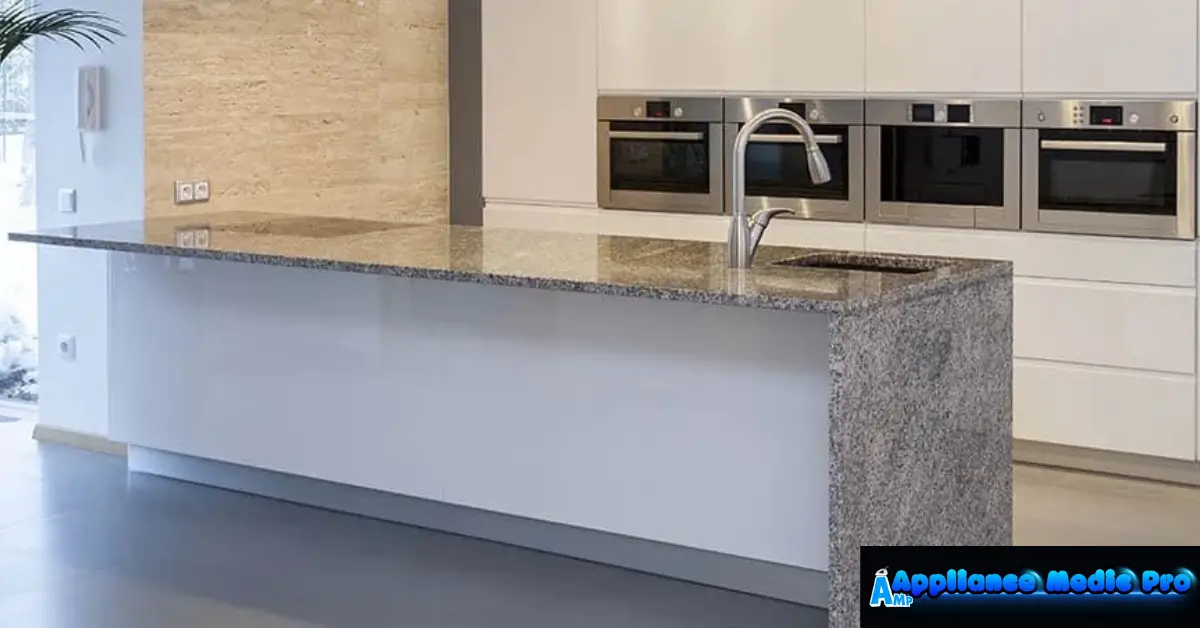
Countertop supports are essential components used to stabilize and reinforce countertops, especially when there are overhangs or unsupported sections. Whether you’re installing a kitchen island, breakfast bar, or floating countertop, proper support prevents sagging, cracking, and long-term structural damage.
From real appliance and kitchen installation experience, countertops without proper support often develop stress fractures, uneven surfaces, and costly repairs. Choosing the correct countertop supports ensures both safety and durability.
Why Countertop Supports Are Important
Countertops made from materials like granite, quartz, marble, or wood can be very heavy. Without proper support, these materials may:
-
Crack or break over time
-
Sag in the middle
-
Become unstable
-
Damage cabinets underneath
Proper countertop supports distribute weight evenly and extend the life of your kitchen surfaces.
Common Types of Countertop Supports
1. Countertop Support Brackets
Support brackets are one of the most common solutions for countertop overhangs.
Features:
-
Made from heavy-duty steel
-
Mounted directly into wall studs or cabinets
-
Often hidden under the countertop
These brackets are commonly used for floating countertops and kitchen islands.
2. Corbels
Corbels are decorative supports installed under countertop overhangs.
Benefits:
-
Provide strong structural support
-
Add decorative design elements
-
Common in traditional kitchens
Corbels are often made from wood, metal, or stone.
3. Hidden Countertop Supports
Hidden supports are designed to remain completely invisible.
Advantages:
-
Clean modern appearance
-
Strong internal support
-
Ideal for minimalist kitchens
These are often used with granite or quartz countertops.
4. Steel Flat Bars
Steel support bars are installed inside cabinetry to reinforce long countertop spans.
Common uses:
-
Large kitchen islands
-
Long breakfast bars
-
Heavy stone countertops
They distribute weight across cabinets and prevent sagging.
5. Knee Wall Supports
Knee wall supports are metal brackets installed into short support walls.
These are commonly used for:
-
Peninsula countertops
-
Raised bars
-
Floating kitchen designs
They provide strong support while remaining mostly hidden.
When Do You Need Countertop Supports?
You typically need supports when the countertop overhang exceeds safe limits.
General guidelines:
| Countertop Material | Maximum Overhang Without Support |
|---|---|
| Granite / Quartz | 10–12 inches |
| Marble | 8–10 inches |
| Wood | 12–16 inches |
If your countertop overhang exceeds these limits, supports are recommended.
How to Choose the Right Countertop Supports
When selecting supports, consider:
1. Countertop Material
Heavier materials like granite or quartz require stronger supports.
2. Overhang Length
The longer the overhang, the stronger the support must be.
3. Design Style
Hidden brackets work best for modern kitchens, while corbels suit traditional designs.
4. Weight Capacity
Always choose supports rated for heavy stone countertops.
Tips for Installing Countertop Supports
Proper installation ensures safety and durability.
Important tips include:
✔ Mount supports directly into studs or strong cabinet frames
✔ Space brackets evenly across the overhang
✔ Use heavy-duty screws and anchors
✔ Ensure supports are level before installing the countertop
Improper installation can lead to countertop cracks or structural damage.
Common Problems Caused by Missing Supports
From real kitchen repair experience, missing supports can cause:
-
Countertop sagging
-
Cracks in granite or quartz
-
Cabinet damage
-
Unsafe overhangs
These issues are expensive to repair and often require replacing the entire countertop.
Frequently Asked Questions
How far can a countertop overhang without support?
Most stone countertops should not exceed 10–12 inches without support brackets.
Are countertop supports visible?
Some are visible, like corbels, while hidden brackets remain completely concealed.
Do quartz countertops need supports?
Yes, especially for island overhangs or breakfast bars.
Can I install countertop supports myself?
Yes, but correct placement and secure mounting are essential for safety.