GE Dishwasher Dry Boost is an advanced drying feature designed to improve drying performance, especially for plastic items. While standard dishwashers rely mostly on heat and evaporation, Dry Boost uses enhanced technology to deliver noticeably drier dishes at the end of the cycle.
At Appliance Medic Pro, many service calls start with: “My GE dishwasher has Dry Boost, but dishes are still wet.” Let’s break it down clearly.
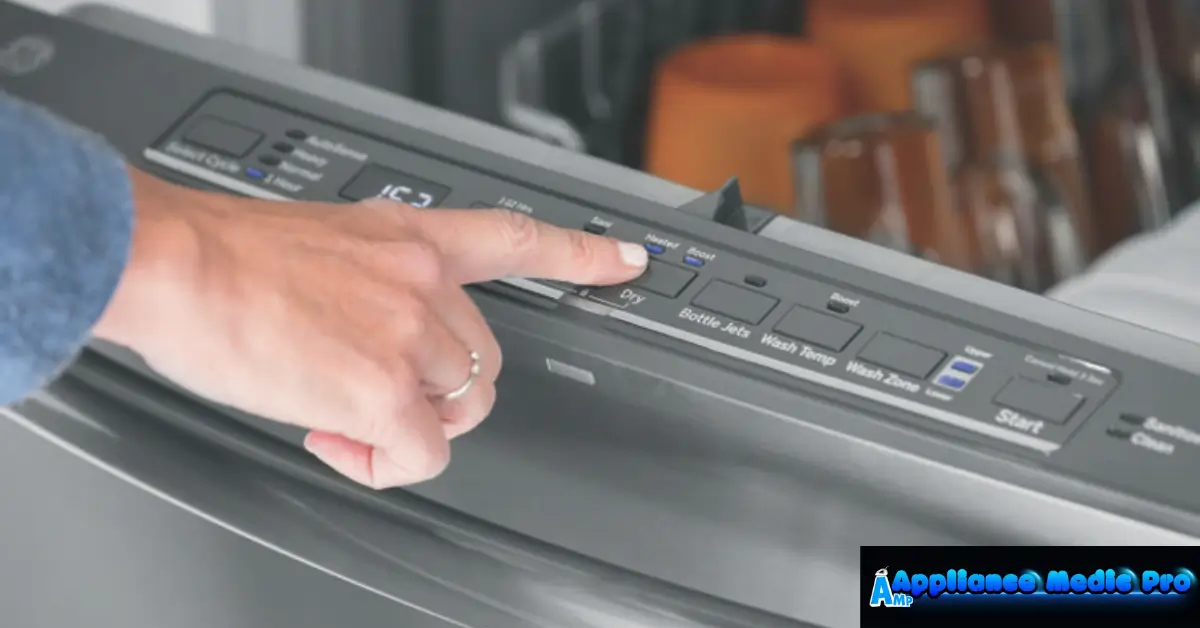
What Is GE Dishwasher Dry Boost?
Dry Boost is a premium drying option available on many GE dishwashers. When enabled, it improves drying results by:
-
Increasing heat during the drying phase
-
Extending drying time
-
Enhancing moisture evaporation
-
Improving airflow inside the tub
Some newer models combine Dry Boost with fan-assisted drying, while others rely on enhanced heating elements.
How Does Dry Boost Work?
During the final stage of the wash cycle:
-
The dishwasher raises the internal temperature
-
Moisture on dishes evaporates faster
-
Condensation drains away instead of settling back
-
Dishes cool down dry, not wet
Dry Boost is especially helpful for:
-
Plastic containers
-
Cups and lids
-
Lightweight dishes that trap moisture
Benefits of GE Dishwasher Dry Boost
From real-world use and repair experience, Dry Boost offers:
✅ Better Plastic Drying
Standard dishwashers struggle with plastic. Dry Boost significantly reduces water droplets.
✅ Fewer Water Spots
Improved evaporation means less standing water on dishes.
✅ Less Towel Drying
Unload dishes ready to store — not wipe.
✅ Optional Use
You can turn it on only when needed to save energy.
Common GE Dishwasher Dry Boost Problems
Despite its benefits, Dry Boost can still have issues.
1. Dry Boost Not Drying Dishes
Possible causes:
-
Rinse aid empty
-
The heating element is not working
-
Control board not activating Dry Boost
-
The door opened too soon
👉 Dry Boost works best with rinse aid.
2. Plastic Items Still Wet
This can happen if:
-
Items are placed upside down
-
Plastic blocks airflow
-
Cycle ended early
Plastics may still need a short cool-down before unloading.
3. Dishwasher Not Heating During Dry Cycle
Signs:
-
Dishes are cold at the end
-
No steam when opened
Likely issues:
-
Failed heating element
-
Faulty thermostat
-
Control board malfunction
4. Dry Boost Option Not Turning On
Caused by:
-
Touch panel issues
-
Software glitches
-
Power interruptions
A full power reset sometimes restores function.
Troubleshooting Tips You Can Try
Before calling for repair:
✅ Use rinse aid (very important)
✅ Load plastics on the top rack
✅ Enable Dry Boost every cycle
✅ Let dishes cool 5–10 minutes before unloading
✅ Reset the power at the breaker for 5 minutes
❌ Do not disable heated dry if Dry Boost is selected.
Repair Cost Estimates (If Dry Boost Fails)
Typical service costs:
-
Heating element replacement: $150–$300
-
Thermostat repair: $120–$220
-
Control board replacement: $200–$400
Repair is usually worthwhile if the dishwasher is under 8–10 years old.
Frequently Asked Questions
Q: Does Dry Boost use more electricity?
A: Yes, slightly — but only during the drying phase.
Q: Should I use Dry Boost every cycle?
A: Use it when washing plastics or heavy loads; skip it for light cycles.
Q: Is Dry Boost better than air dry?
A: Absolutely. Air dry saves energy but leaves more moisture behind.