When homeowners think of reliable residential water heating, General Electric Water Heater models often come up as dependable and long-lasting choices for everyday hot water needs. At Appliance Medic Pro, we repair and maintain water heaters from all brands, and we’ve handled many GE water heaters in the field.
This article covers:
-
Key features of GE water heaters
-
Common problems and causes
-
Maintenance & troubleshooting
-
When to call a pro
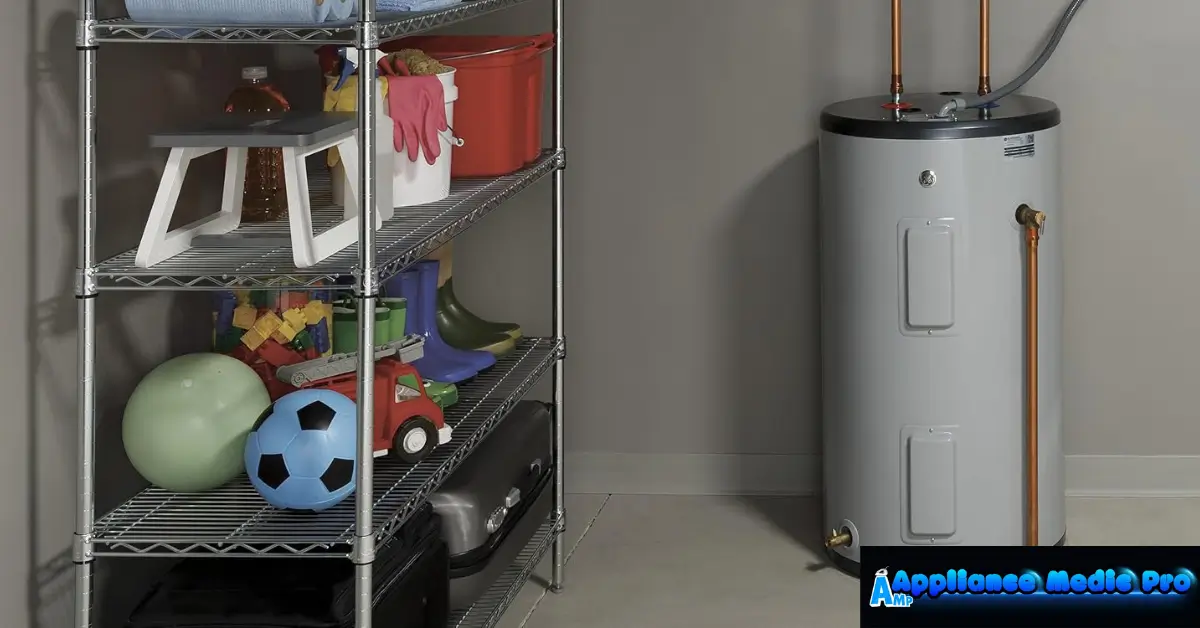
What Is a General Electric Water Heater?
A General Electric water heater is typically a tank-style or tankless unit that provides hot water for:
-
Showers and baths
-
Dishwashing
-
Laundry and cleaning
-
Everyday household use
GE models are known for their:
-
Durable tanks
-
Efficient heating elements
-
Simple controls
-
Long service life
Whether electric or gas, the goal is the same — consistent hot water delivery.
Key Features of GE Water Heaters
Based on real technician experience:
-
Adjustable temperature settings for comfort
-
Efficient heating elements for fast recovery
-
Durable steel tanks with protective coatings
-
Safety features like pressure relief valves
-
Glass-lined interior to resist corrosion
These features help ensure stable, reliable hot water for daily use.
Common Problems With GE Water Heaters
Here are the most frequent issues we diagnose during service calls:
1. No Hot Water
If you turn on the tap and get cold water:
-
Electric unit: faulty heating element or thermostat
-
Gas unit: pilot light or gas supply issue
This is one of the top reasons customers call us.
2. Water Too Hot or Too Cold
Symptoms:
-
Irregular temperature swings
-
Scalding water one moment, lukewarm the next
Common causes:
-
Faulty thermostat
-
Sediment buildup insulates the heating element
-
Wiring or control issues
3. Water Heater Leaks
Leaking water at the base often indicates:
-
Corroded tank
-
Loose connections
-
Faulty drain valve
-
Pressure relief valve discharge
Leaks should be fixed promptly to avoid water damage.
4. Rusty or Discolored Water
If hot water appears rusty:
-
Corroded tank interior
-
SThe sacrificialanode rod is spent
We often replace the anode rod to extend tank life.
5. Strange Noises (Popping or Rumbling)
Noises during heating often come from:
-
Sediment buildup on the bottom of the tank
-
Water pockets are creating steam bubbles
This reduces efficiency and can shorten unit life.
Maintenance & Quick Troubleshooting
Here are tips that solve many common issues:
Flush the Tank Annually
Sediment buildup causes:
-
Reduced efficiency
-
Strange noises
-
Hot water shortages
Draining and flushing the tank removes mineral buildup.
Test or Replace the Anode Rod
A worn rod leads to tank corrosion.
We recommend checking it every 1–2 years.
Check Temperature Settings
Set water heater to 120°F (49°C) for safe, efficient performance.
Inspect Pressure Relief Valve
This valve should release water occasionally if pressure builds.
If it leaks continuously, it needs replacement.
When to Call a Professional
Contact Appliance Medic Pro if:
-
You have no hot water
-
Water temperature fluctuates wildly
-
You detect leaks
-
Water is rusty or foul-smelling
-
You hear banging, popping, or rumbling
Water heaters involve electricity, gas, and pressure systems — proper diagnosis and repair ensure safety and performance.
Repair Cost vs Replacement (Typical)
Estimated service pricing:
-
Heating element replacement: $120–$250
-
Thermostat repair: $100–$180
-
Anode rod replacement: $90–$170
-
Pressure relief valve replacement: $80–$150
If your water heater is older than 10 years with major issues, replacement is often more cost-effective.
Frequently Asked Questions
Q: How long does a GE water heater last?
A: With proper maintenance, typically 8–12 years.
Q: Why is my hot water running out quickly?
A: Sediment buildup or an undersized tank for your household needs.
Q: Can I fix a leaking water heater myself?
A: Only minor leaks at fittings may be tightened — anything involving the tank or pressure valve should be handled by a pro.