Appliance Overheating Prevention Tips is one of the most dangerous and preventable problems we deal with at Appliance Medic Pro. In real service calls, overheating is often linked to blocked airflow, poor maintenance, or overuse, and it’s a leading cause of appliance fires and costly breakdowns.
The good news: most overheating issues can be prevented with simple steps.
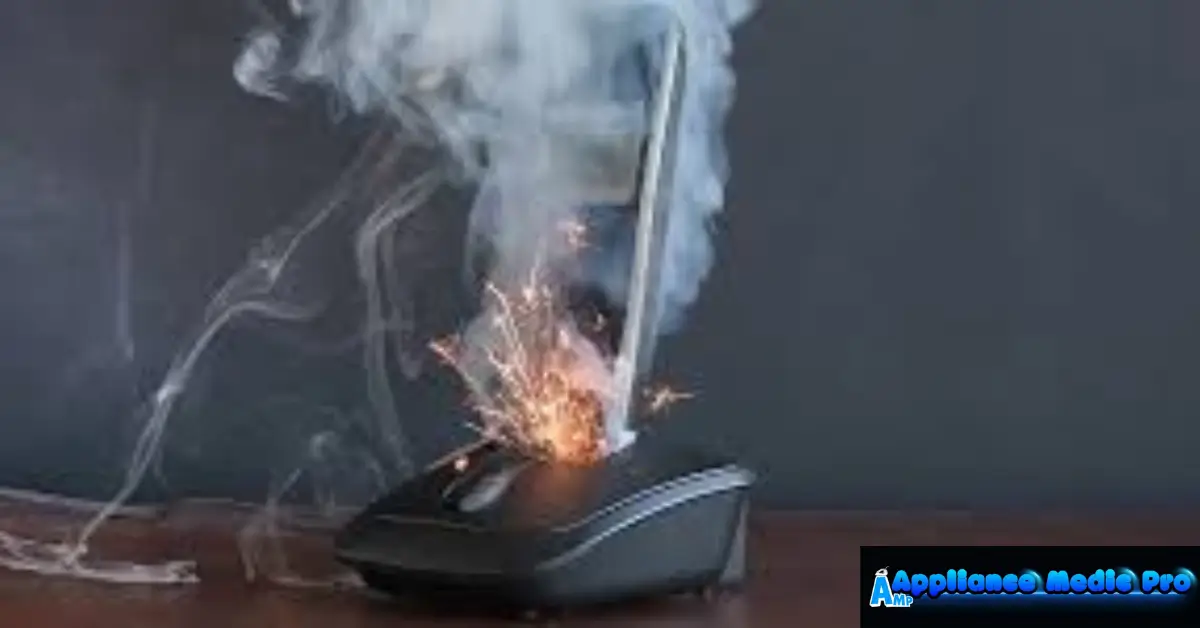
Why Appliance Overheating Happens
From technician experience, appliances overheat when they’re forced to work harder than designed. Common reasons include:
-
Restricted airflow
-
Dirty components
-
Electrical stress
-
Ignored warning signs
Over time, heat damages wiring, motors, sensors, and control boards.
Warning Signs an Appliance Is Overheating
Catch these early:
-
Burning or hot plastic smell
-
The appliance surface feels unusually hot
-
Frequent shutdowns or tripped breakers
-
Loud fan or motor noises
-
Reduced performance
If you notice these signs, stop using the appliance until it’s checked.
Appliance Overheating Prevention Tips (Proven)
1. Keep Airflow Clear (Most Important)
We find airflow blockage in over 60% of overheating service calls.
Examples:
-
Clean dryer vents and lint traps
-
Leave space behind refrigerators
-
Don’t block oven or microwave vents
2. Clean Appliances Regularly
Dust, grease, and lint trap heat.
Focus on:
-
Refrigerator condenser coils
-
Dryer venting and blower housing
-
Dishwasher filters
-
AC and dehumidifier filters
Regular cleaning dramatically lowers operating temperature.
3. Avoid Overloading Appliances
Overloading causes:
-
Motor strain
-
Excess heat buildup
-
Shortened lifespan
Common mistakes:
-
Overfilling washers and dryers
-
Packing dishwashers too tightly
-
Running appliances back-to-back without breaks
4. Use Correct Settings and Cycles
Incorrect settings can cause overheating:
-
High heat on small dryer loads
-
Wrong cookware on stovetops
-
Running ovens longer than needed
Always match settings to the task.
5. Ensure Proper Electrical Supply
Loose or damaged electrical connections increase resistance and heat.
From experience:
-
Avoid extension cords
-
Use dedicated outlets for large appliances
-
Replace worn power cords immediately
6. Schedule Preventive Maintenance
Annual maintenance helps:
-
Detect failing parts early
-
Restore airflow and cooling
-
Prevent fire hazards
This is especially important for older appliances.
Appliance-Specific Overheating Prevention
Dryer
-
Clean the lint trap every load
-
Clean the vent annually
-
Never run with blocked airflow
Refrigerator
-
Clean coils every 6 months
-
Maintain door seal integrity
-
Don’t overload shelves
Oven & Stove
-
Keep vents clear
-
Address uneven heating quickly
-
Avoid foil blocking airflow
Dishwasher
-
Clean filters monthly
-
Don’t run empty or overloaded
When to Call a Professional
Contact Appliance Medic Pro if:
-
Overheating happens repeatedly
-
Burning smells persist
-
Appliance shuts down unexpectedly
-
Breakers trip frequently
Ignoring overheating risks can cause fire, electrical damage, and total appliance failure.
Cost of Prevention vs Repair
From real service data:
-
Preventive maintenance: Low cost
-
Overheating damage repair: $200–$600+
-
Fire-related damage: Extremely costly
Prevention is always cheaper and safer.
Frequently Asked Questions
Q: Can appliances overheat even if they still work?
A: Yes, this is very common and dangerous.
Q: Does overheating shorten appliance lifespan?
A: Absolutely — heat is the #1 killer of components.
Q: How often should appliances be checked?
A: Once a year, or sooner if warning signs appear.