An Appliance Internal Leak Causes is one of the most dangerous problems we see at Appliance Medic Pro. Unlike visible leaks, internal leaks often go unnoticed until they cause electrical damage, mold, or complete appliance failure.
From real service experience, many customers only realize there’s a leak after:
-
The appliance suddenly stops working
-
There’s a burning smell
-
Water appears under the unit unexpectedly
Why Internal Appliance Leaks Are Serious
Internal leaks can:
-
Damage wiring and control boards
-
Cause corrosion of metal parts
-
Create shock or fire hazards
-
Lead to expensive repairs if ignored
Early detection can save hundreds of dollars.
Most Common Appliance Internal Leak Causes
1. Cracked or Loose Internal Hoses (Very Common)
We see this often in:
-
Washing machines
-
Dishwashers
-
Refrigerators with water lines
Causes include:
-
Age-related wear
-
High water pressure
-
Poor installation
Even a small crack can leak continuously inside the cabinet.
2. Failed Internal Seals or Gaskets
Seals prevent water from escaping internal compartments.
When they fail:
-
Water leaks behind panels
-
Moisture reaches the electrical parts
-
Mold and odors develop
This is common in dishwashers, washers, and ice makers.
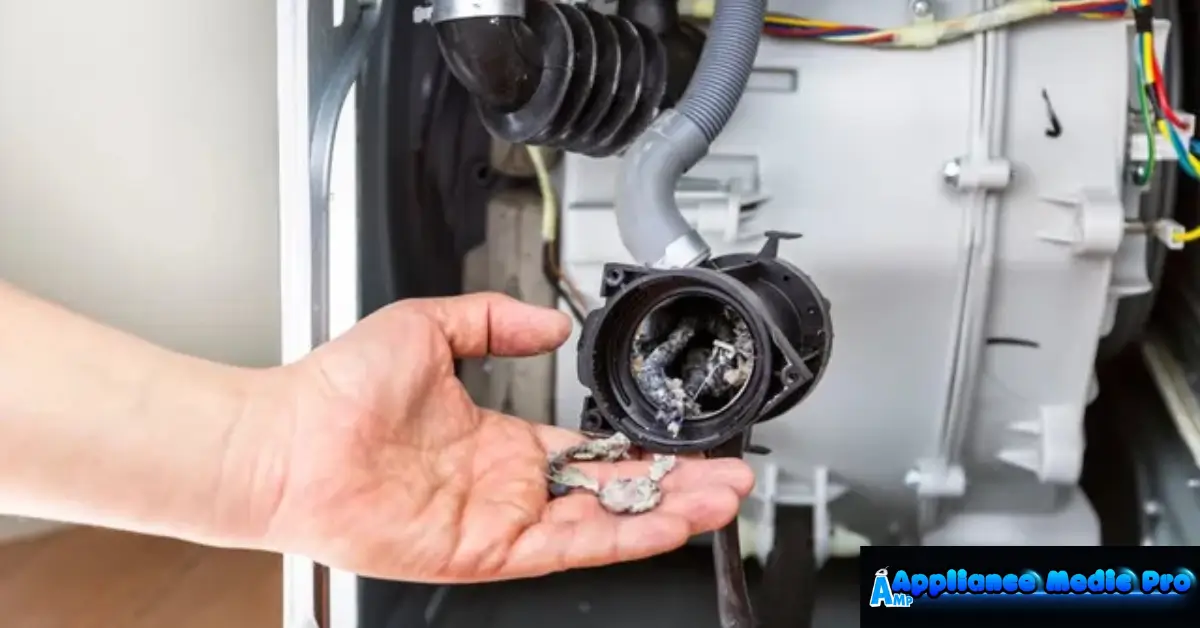
3. Clogged or Disconnected Drain Lines
If water can’t drain properly:
-
It backs up internally
-
Overflows into the base
-
Triggers leak sensors (if equipped)
We frequently find drain lines blocked with:
-
Food debris
-
Lint
-
Soap residue
4. Overfilling Due to Faulty Valves or Sensors
A failing inlet valve or pressure sensor can cause:
-
Too much water is entering the appliance
-
Internal overflow
-
Leaks that appear only during operation
This is common in washers and dishwashers.
5. Condensation Build-Up (Often Misdiagnosed)
Not all internal water is a “leak.”
Condensation occurs when:
-
Warm air meets cold surfaces
-
Insulation is damaged
-
Door seals are compromised
This is common in refrigerators and freezers.
6. Cracked Internal Tanks or Components (Serious)
Some appliances have internal tanks or reservoirs.
If cracked:
-
Leaks are constant
-
Water reaches electronics quickly
-
Replacement is often required
We usually see this after freezing damage or long-term neglect.
Warning Signs of an Internal Appliance Leak
Watch for:
⚠️ Water under the appliance
⚠️ Musty or moldy smell
⚠️ Rust inside panels
⚠️ Electrical issues or tripping breakers
⚠️ Appliance shutting off unexpectedly
If you notice these, stop using the appliance immediately.
What You Can Safely Check
✅ Look for water beneath or behind the appliance
✅ Check visible hoses and connections
✅ Smell for mold or damp odors
✅ Listen for unusual water sounds
❌ Do NOT open sealed panels unless trained — electrical shock risk is real.
When to Call a Professional
Contact Appliance Medic Pro if:
-
The leak source isn’t visible
-
Water appears near electrical components
-
Appliance stops working after leaking
-
Error codes or alarms appear
Internal leaks require proper disassembly and pressure testing.
Repair Cost Expectations
Typical ranges:
-
Hose or seal replacement: $120–$250
-
Valve or sensor repair: $150–$350
-
Control board damage: $250–$600
-
Severe internal damage: Replacement is often recommended
We always give honest advice before proceeding.
How to Prevent Internal Appliance Leaks
From technician experience:
-
Replace old hoses every 3–5 years
-
Avoid excessive water pressure
-
Clean filters and drains regularly
-
Schedule preventative inspections
-
Address small leaks immediately
Frequently Asked Questions
Q: Can an appliance leak internally without visible water?
A: Yes, many leaks stay inside until major damage occurs.
Q: Is it safe to keep using a leaking appliance?
A: No — internal leaks can cause electrical hazards.
Q: Do internal leaks always mean replacement?
A: Not always, but early repair is critical.