Motors are the heart of Appliance Motor Issues Explained. From washers and dryers to refrigerators and dishwashers, when a motor fails, the appliance usually stops working—or works in a dangerous manner. At Appliance Medic Pro, motor problems are among the most common and costly repairs we diagnose.
This guide explains appliance motor issues in a clear, homeowner-friendly way, based on real repair experience.
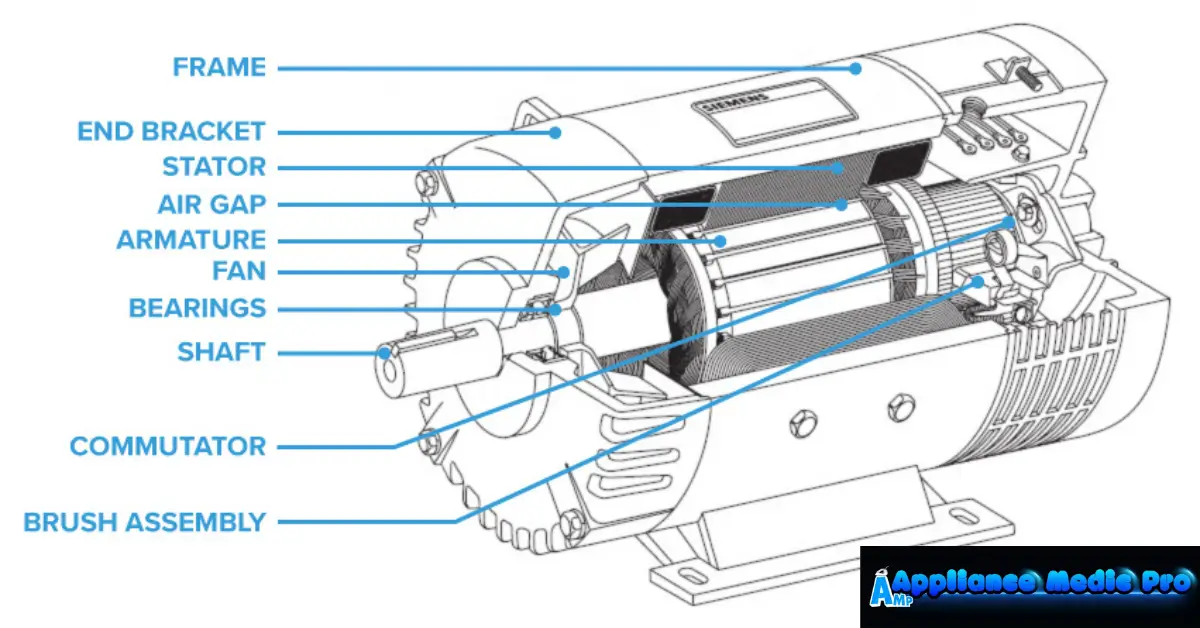
What Does an Appliance Motor Do?
An appliance motor powers:
-
Drums and agitators
-
Fans and blowers
-
Pumps and compressors
-
Conveyors and turntables
If the motor can’t start, run, or maintain speed, the appliance won’t operate correctly.
Common Appliance Motor Issues Explained
1. Motor Won’t Start
Often caused by:
-
Failed start capacitor
-
Burned windings
-
Faulty control board
-
Power supply issues
A humming sound without movement is a classic sign.
2. Motor Overheating
From technician experience:
-
Blocked airflow
-
Worn bearings
-
Overloaded appliance
-
Internal electrical shorts
Overheating motors may shut off automatically or trip breakers.
3. Loud Grinding or Screeching Noise
This usually indicates:
-
Worn bearings
-
Misaligned shafts
-
Dry or damaged bushings
Ignoring noise often leads to complete motor failure.
4. Motor Runs, but Appliance Doesn’t Work
Common reasons include:
-
Broken belts or couplers
-
Stripped gears
-
Disconnected drive components
The motor may be fine, but the power isn’t being transferred.
5. Burning Smell from Motor Area
This is a serious warning sign.
Possible causes:
-
Overheated windings
-
Melting insulationAn electricall short inside the motor
👉 Stop using the appliance immediately.
6. Motor Starts and Stops Repeatedly
Technicians often find:
-
Failing capacitors
-
Thermal overload tripping
-
Control board signal issues
This behavior usually worsens quickly.
Why Appliance Motor Problems Happen
Based on service history:
-
Normal wear and tear
-
Lack of maintenance
-
Overloading the appliance
-
Electrical issues
-
Moisture exposure
Preventive care can significantly extend motor life.
Repair vs Replacement: What’s Better?
Technician rule of thumb:
-
Small motors → replace
-
Large appliance motors → evaluate cost vs age
-
Burned motors → replacement only
We help customers choose the most cost-effective option.
What NOT to Do
❌ Don’t oil sealed motors
❌ Don’t ignore noises
❌ Don’t bypass thermal protection
❌ Don’t overload appliances
These actions shorten motor life and increase fire risk.
When to Call a Professional
Call a technician if you notice:
-
Humming without movement
-
Repeated overheating
-
Burning smells
-
Loud mechanical noise
-
Appliance stops mid-cycle
Motor diagnostics require proper tools and safety procedures.
How Appliance Medic Pro Diagnoses Motor Issues
We:
-
Test motor windings
-
Check capacitors and relays
-
Inspect bearings and loads
-
Evaluate repair vs replacement options
Our goal is safe, honest repair advice.
Frequently Asked Questions
Q: Can appliance motors be repaired?
A: Some can, but many are replaced due to cost and safety.
Q: How long do appliance motors last?
A: Typically 8–15 years with proper care.
Q: Do motor issues cause high electric bills?
A: Yes, failing motors draw more power.