A vented microwave range hood is a combination appliance installed above your stove that works as both a microwave and a kitchen exhaust system. Unlike recirculating models, it removes smoke, grease, and odors by venting air outside your home.
From real appliance repair experience, vented systems perform significantly better at keeping kitchens clean and odor-free.
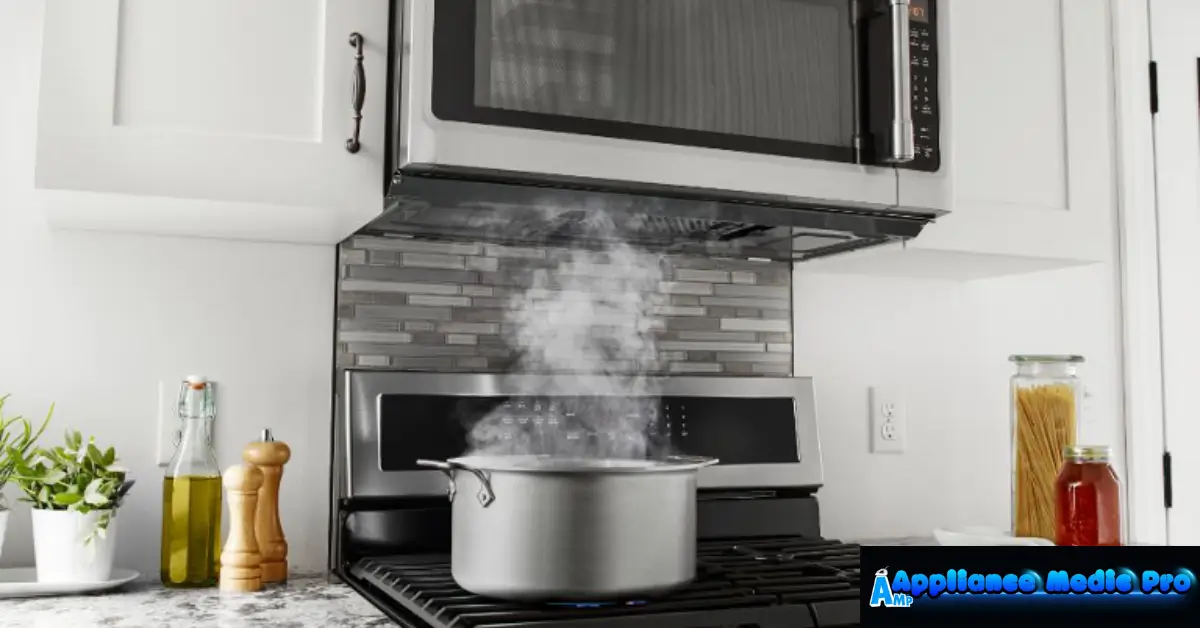
What Is a Vented Microwave Range Hood?
A vented microwave range hood is an over-the-range microwave with a built-in ventilation system that pushes air through ductwork to the outside.
It helps remove:
- Smoke from cooking
- Grease particles
- Steam and moisture
- Strong cooking odors
This keeps your kitchen air cleaner and healthier.
How a Vented Microwave Range Hood Works
The system includes:
- A fan or blower
- Grease filters
- Ductwork leading outside
When turned on:
- The fan pulls air from the cooking surface
- Filters trap grease
- Air is pushed through ducts and expelled outdoors
This process prevents contaminants from staying inside your kitchen.
Types of Vented Microwave Range Hoods
1. Top Vent (Vertical Venting)
- Air exits through the roof
- Common in multi-story homes
2. Rear Vent (Horizontal Venting)
- Air vents through the wall behind the unit
- Easier installation in many kitchens
3. Convertible Models
- Can switch between vented and non-vented
- Flexible installation option
Vented vs Non-Vented Microwave Range Hood
| Feature | Vented | Non-Vented (Recirculating) |
|---|---|---|
| Airflow | Exhausts outside | Recirculates inside |
| Odor Removal | Excellent | Moderate |
| Moisture Removal | Yes | No |
| Installation | More complex | Easy |
| Performance | Best | Basic |
👉 From real-world experience: vented systems are far more effective.
Benefits of a Vented Microwave Range Hood
✅ Better Air Quality
Removes smoke, grease, and harmful particles from your kitchen.
✅ Eliminates Strong Odors
Perfect for cooking foods like fish, spices, and fried items.
✅ Reduces Grease Buildup
Keeps cabinets and walls cleaner over time.
✅ Improves Comfort
Removes heat and steam, making cooking more comfortable.
Common Problems with Vented Microwave Range Hoods
From service calls, these issues are common:
🔊 Loud Noise
- Worn fan motor
- Loose components
❄️ Weak Airflow
- Blocked ducts
- Dirty grease filters
💡 Fan Not Working
- Electrical issue
- Faulty control board
🛑 Grease Buildup
- Lack of regular cleaning
Maintenance Tips
To keep your unit working efficiently:
✔ Clean grease filters every 1–2 months
✔ Inspect ductwork for blockages
✔ Wipe exterior surfaces regularly
✔ Replace charcoal filters (if applicable)
✔ Check fan operation periodically
Installation Considerations
Before installing a vented microwave range hood:
- Ensure access to an exterior wall or roof vent
- Check cabinet space and dimensions
- Confirm electrical connection requirements
- Verify duct compatibility
⚠️ Professional installation is recommended if ductwork is required.
Cost of Vented Microwave Range Hood
Typical price range:
- Unit cost: $200–$800+
- Installation: $150–$500+
Costs vary depending on ductwork complexity.
When to Choose a Vented Microwave Range Hood
Choose vented if:
- You cook frequently
- You want better air quality
- You need strong odor removal
- You have access to exterior venting
Frequently Asked Questions
Is a vented microwave better than a non-vented one?
Yes. Vented systems remove air outside, making them more effective.
Can all microwaves be vented?
No. Only models designed for venting can be connected to ducts.
Do vented microwaves need filters?
Yes. Grease filters are required and should be cleaned regularly.
Is installation difficult?
It can be, especially if ductwork needs to be added.