Standard appliances are the essential household machines found in most homes. These include refrigerators, washing machines, dryers, ovens, dishwashers, and microwaves. Understanding standard appliance sizes and types helps homeowners make better decisions when buying, installing, or repairing appliances.
From real appliance service experience, choosing the correct size and type of appliance prevents installation issues, performance problems, and costly replacements.
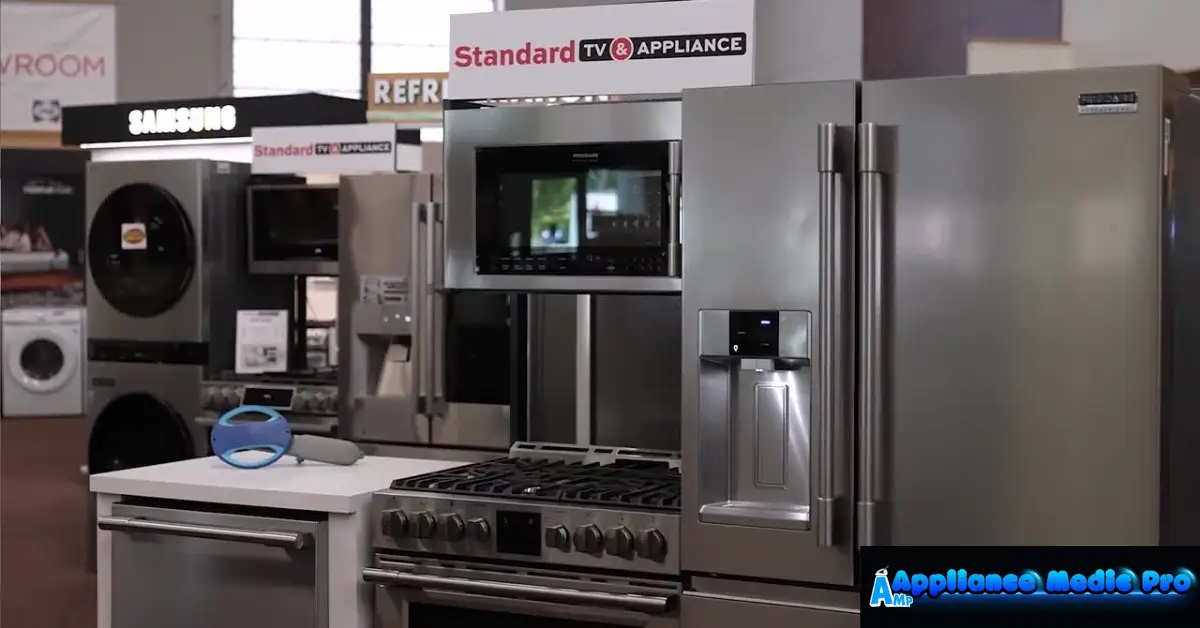
What Is a Standard Appliance?
A standard appliance refers to a commonly used home appliance built with typical dimensions and specifications that fit most kitchens, laundry rooms, and living spaces.
Manufacturers design these appliances to match:
-
Standard cabinet sizes
-
Common electrical and plumbing setups
-
Typical household usage
Common Types of Standard Appliances
1. Refrigerators
Refrigerators are one of the most important standard appliances.
Typical types:
-
Top freezer
-
Bottom freezer
-
Side-by-side
-
French door
2. Washing Machines
Washing machines are essential for laundry.
Types include:
-
Top-load washers
-
Front-load washers
3. Dryers
Dryers remove moisture from clothes after washing.
Types:
-
Electric dryers
-
Gas dryers
4. Dishwashers
Dishwashers clean dishes automatically and save time.
Standard models are designed to fit under kitchen counters.
5. Ovens and Stoves
Cooking appliances include:
-
Gas stoves
-
Electric stoves
-
Built-in ovens
-
Convection ovens
6. Microwaves
Microwaves are used for quick heating and cooking.
They come in:
-
Countertop models
-
Over-the-range units
-
Built-in designs
Standard Appliance Sizes (Important for Installation)
Knowing standard sizes helps avoid fitting issues.
| Appliance | Standard Width | Standard Height | Standard Depth |
|---|---|---|---|
| Refrigerator | 30–36 inches | 65–70 inches | 30–34 inches |
| Dishwasher | 24 inches | 34–36 inches | 24 inches |
| Range/Oven | 30 inches | 36 inches | 25–28 inches |
| Washer/Dryer | 27 inches | 38–43 inches | 28–34 inches |
⚠️ Always measure your space before purchasing.
Why Standard Appliance Sizes Matter
From real-world repair experience, incorrect sizing often causes:
-
Installation delays
-
Poor ventilation
-
Reduced efficiency
-
Increased wear and tear
Using standard sizes ensures:
✔ Easy installation
✔ Proper airflow
✔ Better performance
✔ Lower maintenance issues
How to Choose the Right Standard Appliance
1. Measure Your Space
Always measure width, height, and depth before buying.
2. Check Power Requirements
-
Electric vs gas appliances
-
Voltage compatibility
3. Consider Energy Efficiency
Energy-efficient appliances:
-
Reduce electricity bills
-
Last longer
-
Perform better
4. Match Your Usage Needs
Choose based on:
-
Family size
-
Cooking habits
-
Laundry frequency
Common Problems with Standard Appliances
Even standard appliances can develop issues over time:
-
Not turning on
-
Making loud noises
-
Leaking water
-
Not heating or cooling properly
-
Electrical faults
Early diagnosis prevents expensive repairs.
Maintenance Tips for Standard Appliances
To keep appliances working efficiently:
✔ Clean regularly
✔ Avoid overloading
✔ Check hoses and connections
✔ Schedule periodic maintenance
✔ Fix small issues early
These simple steps extend appliance lifespan.
Frequently Asked Questions
What does “standard appliance” mean?
It refers to appliances built with common sizes and specifications for most homes.
Are all appliances standard size?
No. Some models are compact or oversized, but most follow standard dimensions.
Why are standard sizes important?
They ensure appliances fit properly and function efficiently.
Can I replace an old appliance with a standard one?
Yes, as long as the space matches standard dimensions.